Eggs are often hailed as one of nature’s most perfect foods, a true powerhouse of nutrition packed with protein, vitamins, and minerals. But with so many ways to prepare them—from soft-boiled to fried—you might wonder: what’s the healthiest way to eat eggs?
The truth is, how you cook your eggs can significantly impact their nutritional value, protein absorption, and even potential risks. Understanding these differences is key to maximizing the benefits of this incredible food in your diet. Let’s crack open the details and explore various egg cooking methods and what they mean for your health.
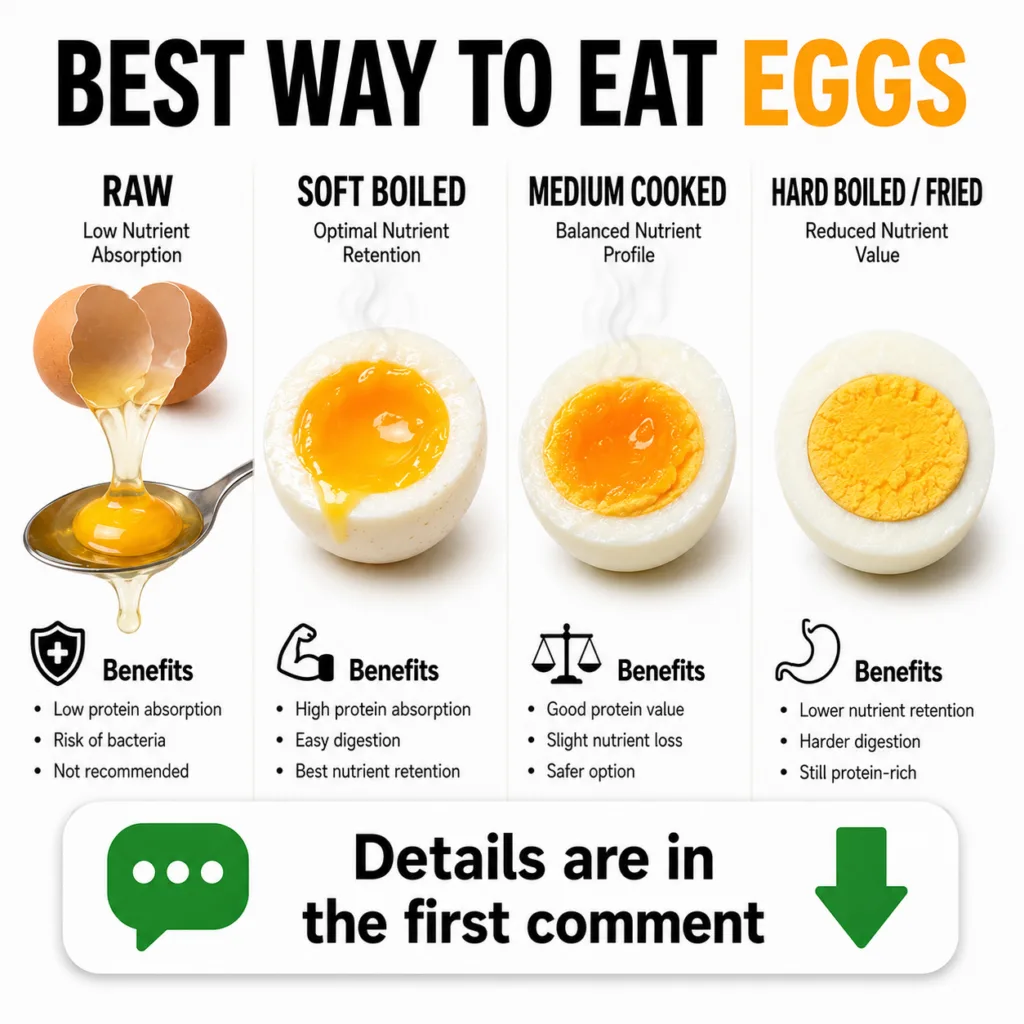
Raw Eggs: Understanding the Risks
While some trends promote raw eggs in smoothies or certain dishes, this method comes with significant drawbacks regarding both nutrient absorption and safety.
Nutrient Absorption and Risks
- Nutrient Damage: Approximately 50%
- Protein Absorption: Only about 50%
Consuming raw eggs can lead to reduced protein absorption because the heat from cooking helps denature the protein, making it more digestible. Moreover, raw egg whites contain avidin, a protein that can bind to biotin (a B vitamin), preventing its absorption by the body.
The Dangers of Salmonella
The primary concern with raw eggs is the risk of salmonella contamination. Salmonella bacteria can cause food poisoning, leading to symptoms like fever, abdominal cramps, diarrhea, and vomiting. While the risk might be low, it’s a serious concern, especially for vulnerable populations such as young children, the elderly, and those with weakened immune systems.
Soft-Boiled Eggs: Gentle Cooking for Maximum Benefits
Soft-boiled eggs offer a delightful texture and are often considered one of the healthiest ways to enjoy eggs, striking a great balance between taste and nutrition.
Optimal Nutrient Preservation and Digestion
- Nutrient Damage: Approximately 10%
- Protein Absorption: Up to 90%
With their runny yolks and just-set whites, soft-boiled eggs undergo minimal cooking, which helps preserve their delicate nutrients. The gentle heat is enough to make the protein more bioavailable without significantly damaging heat-sensitive vitamins and antioxidants.
Key Health Benefits
- Easy to Digest: The minimal cooking ensures that the proteins are easily broken down and absorbed by your body, making them gentle on the digestive system.
- Preserves Antioxidants: The yolk’s antioxidants, such as lutein and zeaxanthin (important for eye health), are better preserved with less heat exposure.
- Great for Metabolism: As a high-quality protein source, soft-boiled eggs can support a healthy metabolism, keeping you feeling full and energized.
Medium-Cooked Eggs: Balancing Nutrition and Flavor
Medium-cooked eggs, often featuring a firm white and a slightly jammy or gooey yolk, offer a perfect middle ground for many, providing excellent nutrition with a pleasing texture.
High Protein and Rich in Vitamins
- Nutrient Damage: Approximately 20%
- Protein Absorption: Up to 90%
Similar to soft-boiled, medium-cooked eggs maintain high protein absorption rates. The slightly longer cooking time ensures the whites are fully set while retaining much of the yolk’s creaminess and nutrient integrity.
Benefits for Muscle Growth and Overall Health
- High in Protein: Eggs are complete proteins, meaning they contain all nine essential amino acids necessary for muscle repair and growth. This makes them an excellent choice for high protein breakfast options.
- Rich in Vitamins: They are packed with essential vitamins like B12, D, A, and E, crucial for energy production, bone health, vision, and immune function.
- Good for Muscle Growth: The high-quality protein and amino acid profile in medium-cooked eggs are ideal for supporting muscle recovery and development, especially after a workout.
Hard-Boiled and Fried Eggs: Versatility with High Protein
Hard-boiled and fried eggs are incredibly popular due to their versatility and convenience, making them staples in countless healthy breakfast ideas and healthy meal prep ideas.
Nutrient Profile and Practicality
- Nutrient Damage: Approximately 30%
- Protein Absorption: About 80%
While these methods involve more extensive cooking, which can lead to slightly higher nutrient damage and a minor decrease in protein absorption compared to softer preparations, they still offer substantial nutritional benefits. The proteins are fully cooked and highly digestible.
Practical Advantages
- Versatile: Hard-boiled eggs can be eaten on their own, added to salads, sandwiches, or turned into deviled eggs. Fried eggs, whether sunny-side up or over-easy, complement nearly any breakfast plate.
- Good for Meal Prep: Hard-boiled eggs are perfect for batch cooking. They can be stored in the refrigerator for up to a week, providing a quick and easy protein source for busy schedules.
- Satiating: The high protein content in both hard-boiled and fried eggs helps increase satiety, keeping you fuller for longer and potentially aiding in weight management when included in a balanced diet.
Which Egg Cooking Method is Best for You?
When considering the healthiest way to eat eggs, it really comes down to a balance of safety, nutrient preservation, and personal preference:
- For Optimal Nutrient Preservation & Digestion: Soft-boiled or medium-cooked eggs are likely your best bet, offering high protein absorption and minimal nutrient damage.
- For Safety: Always cook your eggs. Raw eggs carry a risk of salmonella.
- For Convenience & Versatility: Hard-boiled eggs are unbeatable for meal prep and on-the-go snacks.
- For Muscle Growth & Satiety: All cooked methods provide excellent protein, but medium-cooked and hard-boiled eggs are fantastic for these goals.
Ultimately, incorporating eggs into your diet in various cooked forms ensures you’re getting a broad spectrum of nutrients while keeping your meals interesting. The key is to enjoy them as part of a balanced and varied diet.
Frequently Asked Questions About Egg Consumption
Are fried eggs unhealthy?
Fried eggs can be a healthy part of your diet, depending on the cooking method and oil used. Frying in minimal healthy oil (like olive oil or avocado oil) is fine. Excessive oil or high-fat additions can increase calorie and unhealthy fat content.
How do I know if my eggs are fresh?
A simple test is to place the egg in a bowl of water. A fresh egg will sink and lie on its side. An older egg will stand on its end, and a bad egg will float because of a larger air cell developing inside.
Can eating too many eggs raise cholesterol?
For most healthy individuals, dietary cholesterol from eggs has little impact on blood cholesterol levels. Saturated and trans fats have a greater effect. However, individuals with certain health conditions, like diabetes or heart disease, should consult their doctor about egg consumption.