Ever wondered what the various shades of your nasal mucus are trying to tell you? While often seen as a minor annoyance, nasal mucus (or snot) is a powerful indicator of your body’s inner workings. From clear and runny to thick and green, the color and consistency of your mucus can provide valuable clues about your hydration levels, allergies, and even potential infections. Understanding these subtle signals can empower you to better care for your health and recognize when it might be time to seek medical advice.
At Glowra Health, we believe in demystifying bodily functions to help you feel more connected to your wellness. Let’s dive into the fascinating world of nasal mucus colors and uncover what each shade might signify for your overall health.
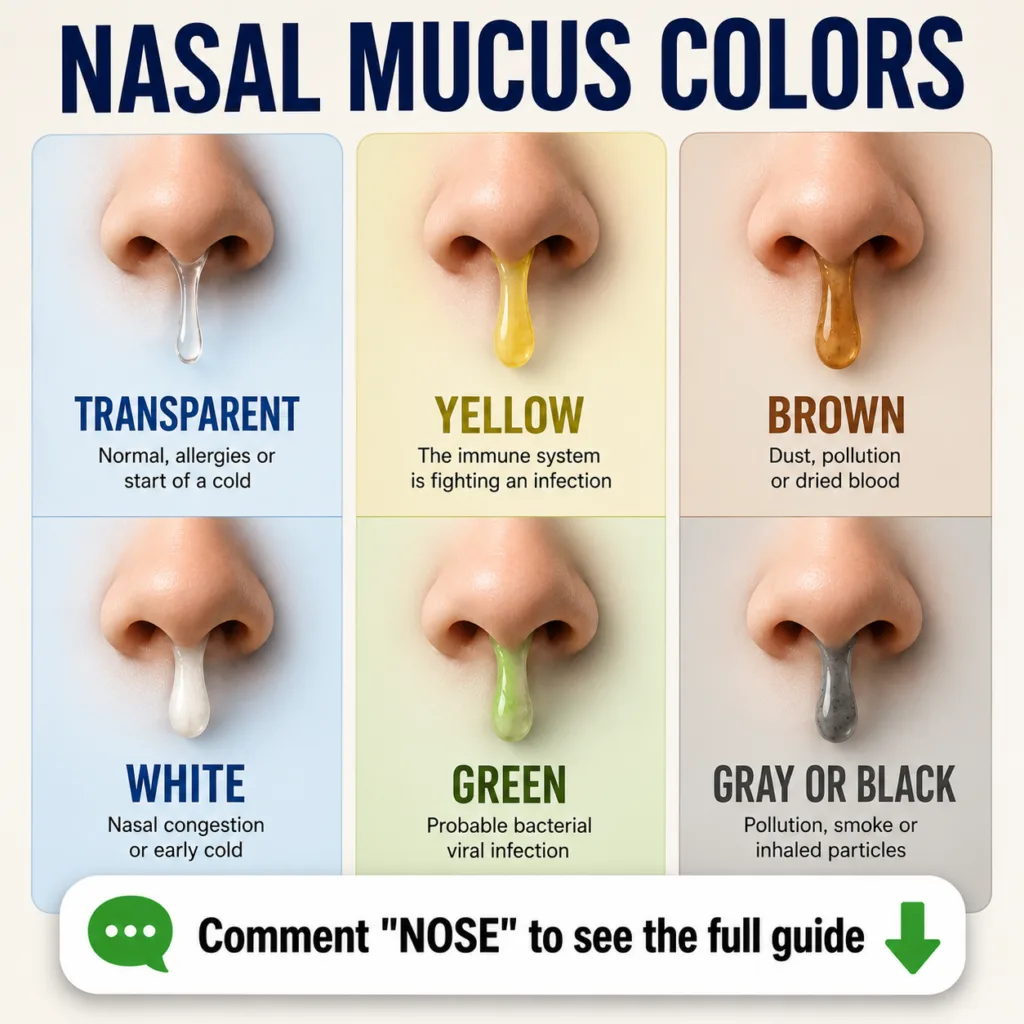
Decoding Your Nasal Mucus Colors: What Each Shade Means for Your Health
Your nasal passages produce mucus constantly, serving as a protective barrier to trap dust, allergens, and pathogens. When your body is fighting off an illness or reacting to its environment, the composition of this mucus can change, leading to variations in color. Here’s a breakdown of what each hue commonly suggests:
Transparent Mucus: A Clear Sign of Health
If your nasal mucus is transparent, clear, and watery, congratulations—this is generally a sign of good health. Clear mucus is mostly water with proteins, antibodies, and salts, and its primary job is to keep your nasal passages moist, filter inhaled air, and prevent foreign particles from reaching your lungs. It’s a constant production, and a healthy body typically produces about one to two quarts of it daily!
What it means: Your respiratory system is working optimally, keeping your airways clean and protected.
White Mucus: When Congestion Takes Hold
When your mucus appears white, it often indicates congestion. This can happen when your nasal passages are inflamed and swollen, slowing down the flow of mucus. As it sits longer in your nasal passages, it can lose moisture and become cloudy. White mucus may also be a sign of dehydration.
- Common causes: Colds, allergies, sinus infection (early stage), or dehydration.
- What to do: Stay hydrated by drinking plenty of water, use a humidifier, and consider saline nasal sprays to thin the mucus.
Yellow Mucus: Your Immune System is Working
A yellowish tint in your nasal mucus typically signals that your body’s immune system is actively fighting off an infection, such as a common cold. When you’re sick, white blood cells (neutrophils) rush to the site of infection. These cells contain an enzyme that gives mucus its yellow hue as they battle germs and are eventually flushed out.
- What it means: Your body is actively fighting a viral or bacterial infection.
- What to do: Continue to hydrate, rest, and monitor your symptoms. The yellow color usually indicates your immune system is engaged.
Green Mucus: A Deeper Dive into Infection
If your mucus transitions from yellow to green, it often suggests a more intense or prolonged immune response. The green color comes from the same enzymes in white blood cells as yellow mucus, but in higher concentrations due to increased immune activity. While green mucus can be alarming, it doesn’t automatically mean you need antibiotics.
- What it means: A persistent or more advanced infection (viral or bacterial).
- When to worry: If green mucus persists for more than 10-12 days, is accompanied by fever, facial pain, or difficulty breathing, it may indicate a bacterial sinus infection that warrants a doctor’s visit.
Brown Mucus: Pollution, Blood, or More?
Brown nasal mucus can be caused by various factors, ranging from harmless to more concerning. It often indicates the presence of dried blood, dirt, or other inhaled particles. For instance, if you’ve been in a dusty environment or exposed to pollution, your mucus might turn brownish as it traps these irritants.
- Common causes: Inhaled dirt, dust, smoke, dried blood from a minor nosebleed or irritation, or even certain foods or beverages (like coffee or chocolate) if they are refluxed.
- What to do: Consider your recent environment. If it’s due to dried blood, it’s usually minor. If it’s persistent or accompanied by other symptoms, consult a healthcare professional.
Gray or Black Mucus: When to Seek Immediate Attention
Gray or black nasal mucus is less common and can be a sign of something more serious. It can result from heavy exposure to air pollution, smoking, or drug use. In rare cases, especially for individuals with compromised immune systems, black mucus can indicate a fungal infection, which requires prompt medical attention.
- Common causes: Heavy smoking, exposure to industrial pollutants, drug use, or serious fungal infections.
- What to do: If you experience gray or black mucus, especially if you have a weakened immune system, it’s crucial to consult a doctor immediately for proper diagnosis and treatment.

General Tips for Optimal Nasal Health
- Stay Hydrated: Drinking plenty of water helps keep mucus thin and flowing, making it easier for your body to clear irritants and infections.
- Use a Humidifier: Especially in dry climates or during winter, a humidifier can add moisture to the air, preventing nasal passages from drying out and mucus from becoming too thick.
- Practice Good Hygiene: Regular hand washing can prevent the spread of viruses and bacteria that lead to nasal infections.
- Avoid Irritants: Limit exposure to smoke, strong chemicals, and heavily polluted air, which can irritate nasal passages and affect mucus production.
- Saline Nasal Sprays: These can help rinse out nasal passages, thin mucus, and reduce congestion, offering relief for various conditions.
When to Consult a Doctor About Your Mucus
While understanding nasal mucus colors can be empowering, it’s important to know when to seek professional medical advice. Consult a healthcare provider if you experience:
- Mucus (especially green or yellow) that persists for more than 10-12 days without improvement.
- Gray or black mucus, particularly if you have a compromised immune system.
- Mucus accompanied by severe pain, fever, chills, difficulty breathing, or changes in vision.
- Unexplained weight loss or fatigue alongside changes in mucus.
- Recurrent sinus infections.
These symptoms could indicate a more serious underlying condition that requires medical evaluation.