Fueling your body smart isn’t just a trend; it’s a pathway to vibrant energy, lasting strength, and overall well-being. Just like a finely tuned machine, your body requires specific nutrients to perform at its best, and these needs can vary significantly between men and women.
Understanding these unique requirements is the first step towards a truly balanced diet and a healthier you. Our bodies, whether male or female, are constantly working, and the right mix of vitamins and minerals acts as the essential building blocks and catalysts for every single process.
The Foundation of Wellness: Why Vitamins and Minerals Matter
Vitamins and minerals are often called ‘micronutrients’ because your body needs them in smaller amounts compared to macronutrients like carbohydrates, proteins, and fats. Don’t let the ‘micro’ fool you, though; their impact on your health is anything but small!
- Energy Production: Many B vitamins are crucial in converting food into energy.
- Immune System Support: Vitamins C, D, and Zinc are powerhouse defenders against illness.
- Bone Health: Calcium and Vitamin D work hand-in-hand to maintain strong bones throughout life.
- Muscle Function: Magnesium and Potassium are vital for proper muscle contraction and relaxation.
- Hormone Balance: Certain minerals like Zinc play a role in hormone regulation.
Without adequate amounts of these essential nutrients, your body can’t function optimally, leading to fatigue, weakened immunity, and a higher risk of various health issues.
Essential Nutrients for Men’s Health
Men often have specific nutritional needs related to muscle mass, testosterone production, and prostate health. Prioritizing these key vitamins and minerals can help support these functions and promote overall vitality.
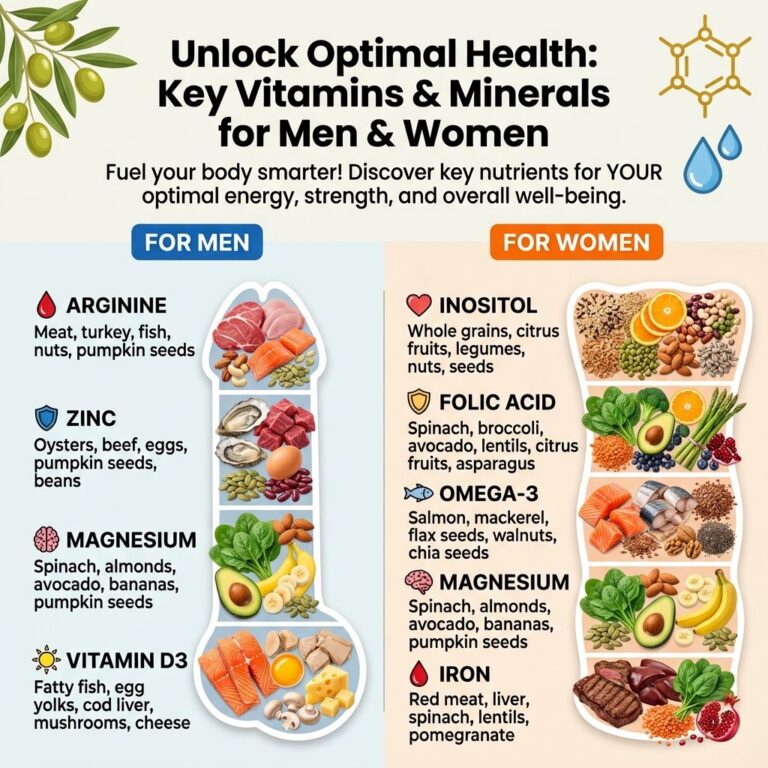
Magnesium
Crucial for muscle and nerve function, blood sugar control, and blood pressure regulation. It’s also vital for energy production and bone health.
- Food Sources: Leafy green vegetables (spinach, kale), nuts (almonds, cashews), seeds (pumpkin, chia), legumes, whole grains, dark chocolate.
Zinc
An essential mineral for immune function, wound healing, and cell division. For men, zinc is particularly important for testosterone production and prostate health.
- Food Sources: Oysters, red meat, poultry, beans, nuts, whole grains, dairy products.
Vitamin D
Known as the ‘sunshine vitamin,’ it’s vital for bone health by aiding calcium absorption. It also plays a significant role in immune function, mood regulation, and may support heart health.
- Food Sources: Fatty fish (salmon, mackerel, tuna), fortified milk and cereals, egg yolks. Sun exposure is also a primary source.
Essential Nutrients for Women’s Health
Women’s nutritional needs often emphasize bone density, reproductive health, and iron intake due to menstruation. Focusing on these nutrients can help manage unique health challenges and support overall wellness.
Iron
Absolutely critical for red blood cell production, which carries oxygen throughout the body. Iron deficiency (anemia) is common in women, especially those of childbearing age, leading to fatigue and weakness.
- Food Sources: Red meat, poultry, fish, beans, lentils, spinach, fortified cereals. Pairing iron-rich foods with Vitamin C sources (like oranges or bell peppers) can enhance absorption.
Calcium
The cornerstone of strong bones and teeth, calcium also plays roles in muscle function, nerve transmission, and hormone secretion. Women have a higher risk of osteoporosis, making calcium intake especially important.
- Food Sources: Dairy products (milk, yogurt, cheese), leafy green vegetables (kale, broccoli), fortified plant milks and juices, sardines.
Folate (Vitamin B9)
Essential for cell growth and DNA formation. For women, especially those who are pregnant or planning to become pregnant, adequate folate intake is crucial for preventing birth defects.
- Food Sources: Dark leafy greens, asparagus, broccoli, citrus fruits, beans, peas, fortified grains.
Making Smart Choices at the Grocery Store
Knowing which nutrients you need is only half the battle; the other half is integrating them into your daily diet. Here are some practical tips to help you make smarter choices on your next grocery trip:
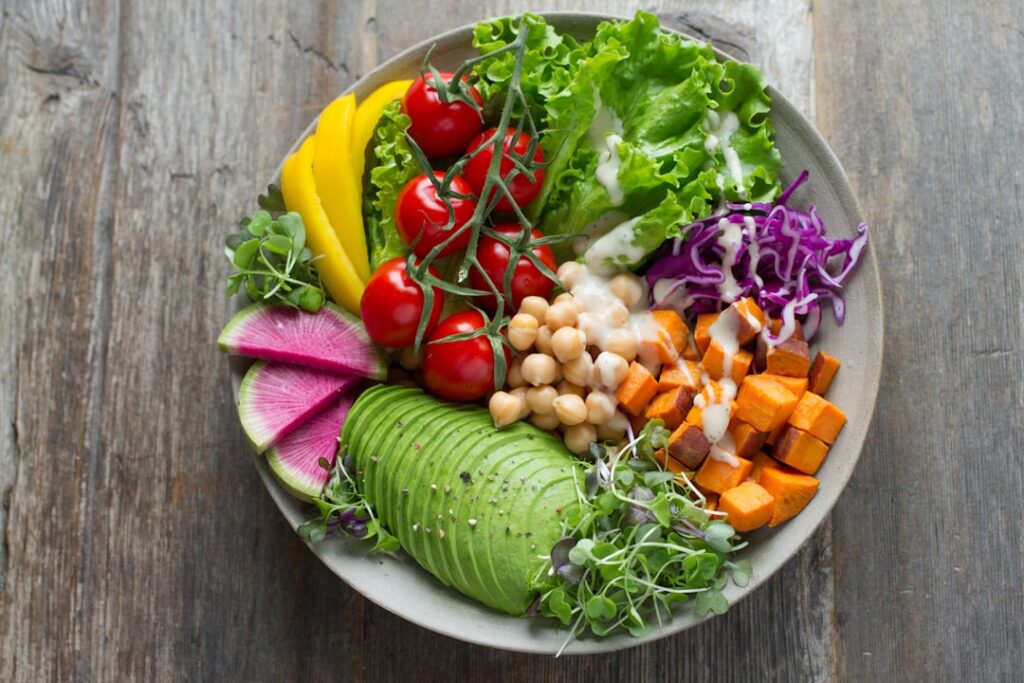
- Embrace a Variety of Colors: Different colored fruits and vegetables often indicate different nutrient profiles. Aim for a rainbow on your plate.
- Read Food Labels: Pay attention to the nutrient information, especially for fortified foods like cereals and plant-based milks.
- Prioritize Whole Foods: Opt for unprocessed foods like fresh fruits, vegetables, lean proteins, and whole grains over packaged, processed alternatives.
- Plan Your Meals: A little meal planning can go a long way in ensuring you’re getting a balanced intake of nutrients throughout the week.
- Snack Smart: Replace sugary snacks with nutrient-dense options like a handful of almonds, a piece of fruit, or Greek yogurt.
Your Daily Dose of Wellness
Unlocking optimal health isn’t about perfection; it’s about consistency and making informed choices. By understanding the key vitamins and minerals that support both men’s and women’s unique health needs, you can fuel your body smarter, boosting your energy, strength, and overall well-being. Take this guide with you on your next grocery trip and start building a healthier foundation, one delicious and nutritious meal at a time!