Unlock Your Potential: Why Recovery Is Your Secret Weapon
Whether you’re just starting your fitness journey or you’ve been training for years, one thing is certain: recovery matters just as much as the workout itself. Many people believe that getting stronger only happens while lifting weights or running another mile. In reality, your body grows, repairs, and adapts during recovery. Without proper recovery habits, progress slows down, fatigue builds up, and the risk of injury increases.
It’s time to shift your focus from just training hard to recovering even smarter. Here’s everything you need to know about natural, evidence-based gym recovery methods that can help you perform your best, build a stronger body, and maintain an active lifestyle.
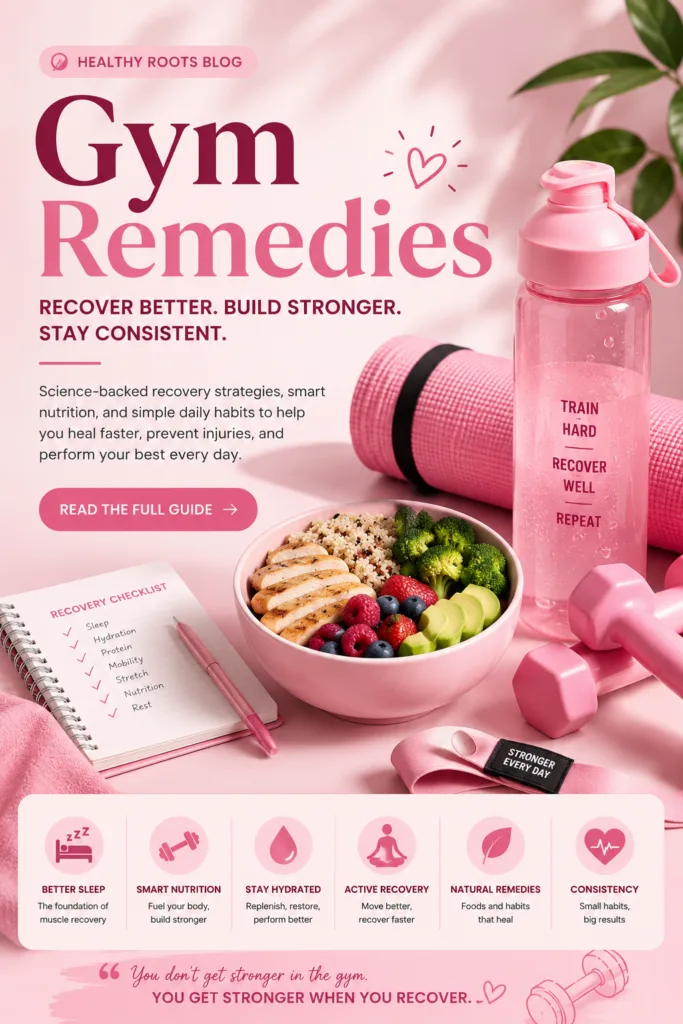 Train Hard, Recover Well, Repeat: Your ultimate guide to gym recovery.
Mastering Your Recovery: Key Strategies for Optimal Performance
True strength and progress aren’t just forged in the gym; they’re built in the hours and days between your workouts. Implement these science-backed strategies to optimize your recovery and elevate your fitness journey.
1. Prioritize Sleep Before Any Supplement
Sleep isn’t just rest; it’s the foundation of muscle recovery and overall well-being. During deep sleep, your body orchestrates crucial repair processes, releasing growth hormone, mending damaged muscle fibers, restoring vital energy stores, and fortifying your immune system. Skimping on even a few hours of quality sleep can significantly diminish your workout performance and decelerate your recovery.
- **Aim for:** 7–9 hours of quality sleep each night.
- **Maintain:** A consistent sleep schedule, even on weekends.
- **Optimize your environment:** Keep your bedroom cool, dark, and quiet.
Recovery Tip: If you’ve had an intensely challenging training session, consider heading to bed 30–60 minutes earlier than usual to support your body’s enhanced repair needs.
2. Fuel Up with Protein After Your Workout
Every strenuous exercise session creates tiny, beneficial tears in your muscle fibers. Protein is the superstar macronutrient that provides the essential amino acids needed to rebuild and strengthen those muscles, making them more resilient than before.
Excellent post-workout protein sources include:
- Chicken breast
- Eggs
- Greek yogurt
- Cottage cheese
- Salmon
- Lean beef
- Tofu
- Protein shakes
Most active adults benefit from consuming around 20–40 grams of protein after training, depending on individual body size and total daily intake. Make it a priority within an hour or two post-workout.
3. Stay Hydrated Throughout the Day
Water is more than just a thirst quencher; it’s a critical player in countless bodily functions vital for recovery. It transports nutrients to your cells, regulates your body temperature, and ensures optimal muscle function. Even mild dehydration can significantly reduce your strength, endurance, and ability to recover efficiently.
Simple hydration habits to adopt:
- Drink water before, during, and after every exercise session.
- Actively replace fluids lost through heavy sweating.
- Consider including electrolytes after long or particularly intense workouts, especially in hot conditions.
4. Don’t Skip Active Recovery
Recovery doesn’t always mean complete stillness. In fact, light, gentle movement can be incredibly beneficial. Active recovery sessions increase blood circulation, which helps deliver vital nutrients to recovering muscles and flush out metabolic waste, simultaneously reducing stiffness and promoting flexibility.
Examples of effective active recovery include:
- Walking
- Easy cycling
- Gentle swimming
- Yoga
- Mobility exercises
- Stretching
A 20–30 minute active recovery session can often leave you feeling more invigorated and mobile than simply staying completely inactive.
5. Incorporate Anti-Inflammatory Foods
Exercise naturally induces temporary inflammation, a necessary part of the adaptation and growth process. However, supporting your body with a diet rich in anti-inflammatory whole foods can help manage this process effectively and support healthy recovery.
Recovery-friendly foods to build your meals around:
- Salmon and other fatty fish (rich in Omega-3s)
- Berries (blueberries, raspberries, strawberries)
- Cherries
- Leafy greens (spinach, kale)
- Turmeric and Ginger (spices with potent anti-inflammatory properties)
- Walnuts and almonds
- Olive oil
- Avocados
Focus on creating colorful meals packed with fruits, vegetables, lean proteins, and healthy fats rather than relying on quick fixes or highly processed foods.
6. Stretch and Improve Mobility
Flexible muscles and healthy, mobile joints are crucial for reducing discomfort, preventing injury, and improving overall movement quality in and out of the gym. Incorporate dedicated stretching and mobility work into your routine.
Focus on major muscle groups after training:
- Hamstrings
- Quadriceps
- Hip flexors
- Glutes
- Chest
- Shoulders
- Calves
Hold each stretch for approximately 20–30 seconds, focusing on a gentle elongation without bouncing. Consistency is key here.
7. Utilize Massage and Foam Rolling
Foam rolling and self-massage techniques can be excellent tools for reducing muscle soreness, easing tightness, and temporarily improving flexibility. They work by applying pressure to fascia (the connective tissue surrounding muscles) and muscles, which can help break up knots and improve blood flow.
When using a foam roller or massage tool, target areas that feel tight or restricted. Avoid rolling aggressively over acute painful spots. Even just 5-10 minutes after a workout or on your rest days can make a noticeable difference in how your body feels and moves.
8. Support Recovery with Smart Nutrition
Beyond protein and anti-inflammatory foods, several other nutrients play vital roles in normal muscle function, energy production, and overall recovery. A well-rounded diet is your best bet for obtaining these.
Key nutrients for recovery include:
- **Protein:** For muscle repair and growth.
- **Omega-3 fatty acids:** For reducing inflammation.
- **Magnesium:** For muscle relaxation and nerve function.
- **Potassium:** For fluid balance and muscle contractions.
- **Calcium & Vitamin D:** For bone health and muscle function.
- **Carbohydrates:** Crucial for replenishing glycogen stores, your body’s primary energy source.
For most individuals, a balanced diet rich in whole foods will adequately meet these needs before considering targeted supplementation. Consult with a professional if you suspect deficiencies.
9. Listen to Your Body’s Signals
Soreness is a normal part of the training process, often referred to as Delayed Onset Muscle Soreness (DOMS). However, sharp pain is a warning sign that should never be ignored. Your body communicates its needs—learn to listen.
Signs that you may need additional recovery or a rest day include:
- Persistent fatigue despite adequate sleep.
- A noticeable decline in workout performance.
- Poor sleep quality or difficulty falling asleep.
- Constant, widespread muscle soreness that doesn’t subside.
- Increased irritability or mood changes.
- A significant loss of motivation for training.
Remember, taking an extra recovery day is often far more productive for long-term progress than pushing through exhaustion and risking injury or burnout.
10. Consistency Beats Perfection Every Time
Forget the search for a miracle food, a magical supplement, or a secret recovery hack. Real, lasting progress and effective recovery are built on consistent, healthy habits. The most effective recovery routine integrates several key pillars:
- Regular, progressive strength training
- High-quality sleep every night
- Balanced, nutrient-dense nutrition
- Consistent and sufficient hydration
- Strategic active recovery
- Dedicated mobility work
Small, sustainable habits practiced consistently over time produce far better results than occasional, extreme efforts. Embrace the journey of consistent self-care.
Frequently Asked Questions About Gym Recovery
What helps sore muscles recover faster?
Quality sleep, adequate protein intake, consistent hydration, light movement (active recovery), and a balanced diet rich in anti-inflammatory foods are among the most effective, science-backed strategies for reducing muscle soreness and promoting faster recovery.
Is stretching enough for recovery?
While stretching is excellent for improving flexibility and reducing stiffness, it’s just one piece of the recovery puzzle. Complete and optimal recovery also heavily depends on factors like sufficient sleep, nutrient-dense nutrition, proper hydration, and managing your overall training load.
Should I work out if I’m sore?
Mild muscle soreness (DOMS) is usually manageable with lighter activity or focusing on different muscle groups. However, if you experience severe pain, noticeable swelling, or significantly limited movement, it’s crucial to evaluate the cause and consider resting or seeking professional advice before continuing intense exercise.
Do ice baths or cold showers help?
Cold exposure, such as ice baths or cold showers, may help reduce muscle soreness for some people after very intense training sessions by potentially reducing inflammation. However, they aren’t necessary for everyone, and their long-term impact on muscle adaptation is still an area of research. Focus on the fundamental recovery practices first before adding advanced techniques.
Final Thoughts: Train Hard, Recover Smarter, Live Better
Fitness isn’t just about how hard you push yourself in the gym—it’s profoundly about how smartly you allow your body to recover. Every single workout creates an incredible opportunity for your body to adapt, grow, and get stronger, but that adaptation only happens when you give it the essential resources it needs: quality sleep, nourishing nutrition, consistent hydration, mindful movement, and sufficient time.
Instead of constantly chasing quick fixes or shortcuts, commit to building sustainable recovery habits that you can maintain for years to come. Strong, resilient bodies aren’t built in a single intense workout; they are meticulously crafted through thousands of dedicated training sessions, each one supported by thousands of smart, intentional recovery decisions.
Train hard. Recover well. Stay consistent. That, my friends, is where real, transformative progress truly happens.