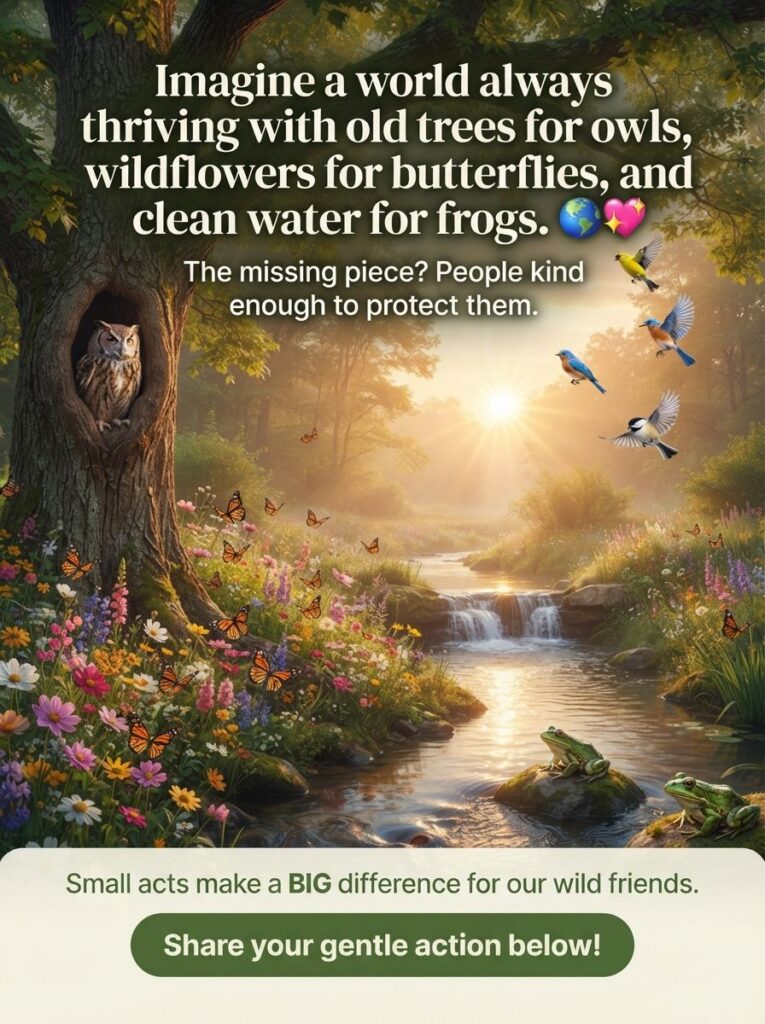
Imagine stepping into a world where ancient trees shelter wise owls, vibrant wildflowers dance with monarch butterflies, and crystal-clear streams hum with the happy croaking of frogs. It’s a vision of nature thriving, bursting with life and harmony. This isn’t just a dream; it’s a world that is within our reach, and you, my friend, are a vital piece of making it a reality. The missing ingredient? People kind enough to protect these precious gifts of nature.
We often think of conservation as something grand, handled by large organizations or government policies. But the truth is, the most profound changes often begin with small, gentle actions right in our own backyards. Your garden, no matter its size, can become a vibrant haven for our wild friends, a testament to the power of thoughtful nurturing.
The Tapestry of Life We Dream Of
The vision is simple yet powerful: a balanced ecosystem where every creature finds its place and purpose. Old trees aren’t just lumber; they’re homes and nurseries. Wildflowers aren’t just pretty faces; they’re vital food sources and habitats. Clean water isn’t just for drinking; it’s a breeding ground and sanctuary. Each element plays a crucial role in the grand symphony of nature.
When we cultivate kindness in our gardening practices, we contribute directly to this symphony. We become stewards of the land, helping to restore balance and provide sanctuary for the creatures who share our planet. And the best part? It’s incredibly rewarding to watch your garden come alive with the buzz of bees, the flutter of butterflies, and the song of birds.
Your Backyard: A Powerful Piece of the Puzzle
Perhaps you have a small urban plot, a sprawling rural homestead, or just a few patio containers. Every space holds potential. The key is to think of your garden not just as a place for growing vegetables or pretty flowers for yourself, but as an extension of the wild world around us. By making conscious choices, you can turn any outdoor space into a vital support system for local wildlife.
The impact of many small, wildlife-friendly gardens can be truly immense. Imagine a network of interconnected oases stretching across neighborhoods and communities, providing safe passage, food, and shelter for countless species. This collective effort is how we make a big difference.
Simple Steps to a Thriving Wildlife Haven
Ready to roll up your sleeves? Here are some practical ways you can start nurturing your own wildlife haven today:
1. Plant for Pollinators and Wildlife
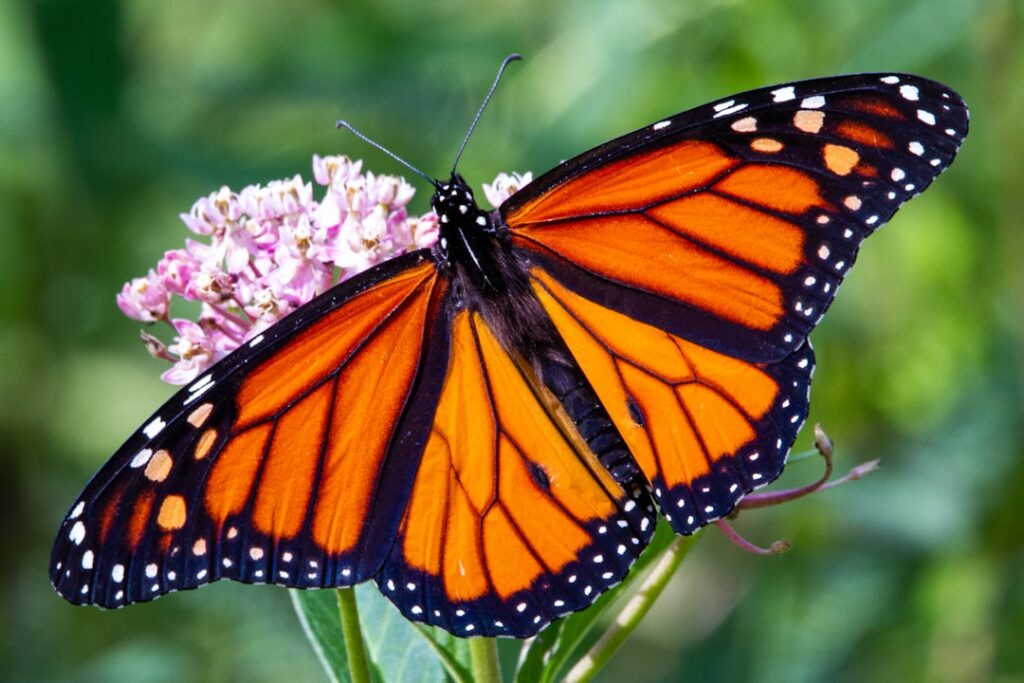
- Go Native: Research native plants that thrive in your specific USDA plant hardiness zone. Native plants are perfectly adapted to your local climate and soil, require less water and care once established, and provide the best food and habitat for local insects and wildlife. For example, if you’re in the Mid-Atlantic, consider milkweed for monarch butterflies, coneflowers for bees, or cardinal flower for hummingbirds.
- Choose Diversity: Plant a variety of flowers, shrubs, and trees that bloom at different times of the year. This ensures a continuous food supply for pollinators and birds from spring through fall. Think beyond just flowers—berries, nuts, and seeds are also crucial food sources.
- Include Host Plants: Butterflies, like the beloved monarch, need specific plants (like milkweed) for their caterpillars to feed on. Research which host plants are essential for the butterfly species in your area.
2. Provide Essential Water Sources
- Bird Baths: A simple bird bath can be a lifeline for birds and other small creatures, especially during dry spells. Keep it clean and filled with fresh water.
- Shallow Water for Insects: A shallow dish with pebbles allows bees and other insects to drink without drowning.
- Mini Ponds or Rain Gardens: If space allows, a small pond can become a haven for frogs, salamanders, and dragonflies, naturally helping with pest control and creating a beautiful focal point.
3. Create Shelter and Safe Spaces
- Brush Piles and Log Piles: A seemingly messy pile of branches or logs provides excellent shelter for small mammals, reptiles, and beneficial insects.
- Dense Shrubs and Trees: Plant shrubs and trees that offer dense cover for birds to nest and hide from predators. Evergreens are particularly valuable in winter.
- Leave the Leaves: Instead of raking away all fallen leaves, consider leaving some under shrubs or in designated areas. Leaf litter provides habitat for beneficial insects and enriches the soil.
- Install Roosting Boxes or Houses: Birdhouses, bat boxes, or even insect hotels can provide much-needed shelter.
4. Embrace Organic Gardening Practices
- Say No to Pesticides: This is perhaps the single most important step. Pesticides and herbicides can harm not only the pests you’re targeting but also beneficial insects, pollinators, and the larger wildlife that feeds on them. Embrace natural pest control methods like companion planting, attracting beneficial insects, and hand-picking pests.
- Compost and Mulch: Improve your soil health naturally with compost. Mulch helps retain moisture, suppress weeds, and slowly releases nutrients, fostering a healthier overall ecosystem.
Nurturing Native Plants and Understanding Your Zone
Knowing your USDA Plant Hardiness Zone (or equivalent local climate zone) is crucial for successful gardening. This helps you select plants that can truly thrive in your area, reducing the need for excessive resources and ensuring they are a reliable food and shelter source for local wildlife. Native plants in particular are the bedrock of local ecosystems because wildlife has evolved alongside them, depending on them for survival.
Take a little time to research the native flora and fauna of your specific region. You might be surprised by the incredible diversity that once flourished there and how you can help bring it back, one plant at a time.
Every Small Act Makes a BIG Difference
Remember that every seed you sow, every drop of water you provide, and every patch of native plant you cultivate contributes to a larger, healthier world. Your gentle actions accumulate, creating a ripple effect of kindness and ecological resilience.
Don’t feel overwhelmed; start small. Pick one action from the list above and commit to it this week. Maybe it’s planting a single native perennial, setting out a clean bird bath, or simply deciding to let a patch of your lawn grow a little wilder. Each effort is a step toward a more thriving, more beautiful world.
We truly believe that together, we can cultivate gardens that not only nourish our souls but also sustain the incredible biodiversity around us. What small, gentle action will you take this week to help nature thrive right where you are? Share your ideas in the comments below! Your experiences and insights inspire us all.