Your body often communicates crucial information through subtle signals. When it comes to hormonal balance, recognizing these cues is the first step toward understanding your health better and taking proactive care. Among the most vital hormones for women is estrogen, playing a multifaceted role in everything from reproductive health to bone density and mood regulation. When estrogen levels drop below optimal, it can manifest in a variety of symptoms that, while often overlooked individually, paint a clearer picture when considered together.
In this article, we delve into the common signs of low estrogen, as highlighted in our comprehensive guide. Learning to identify these symptoms is key to having informed conversations with your healthcare provider and ensuring your well-being.
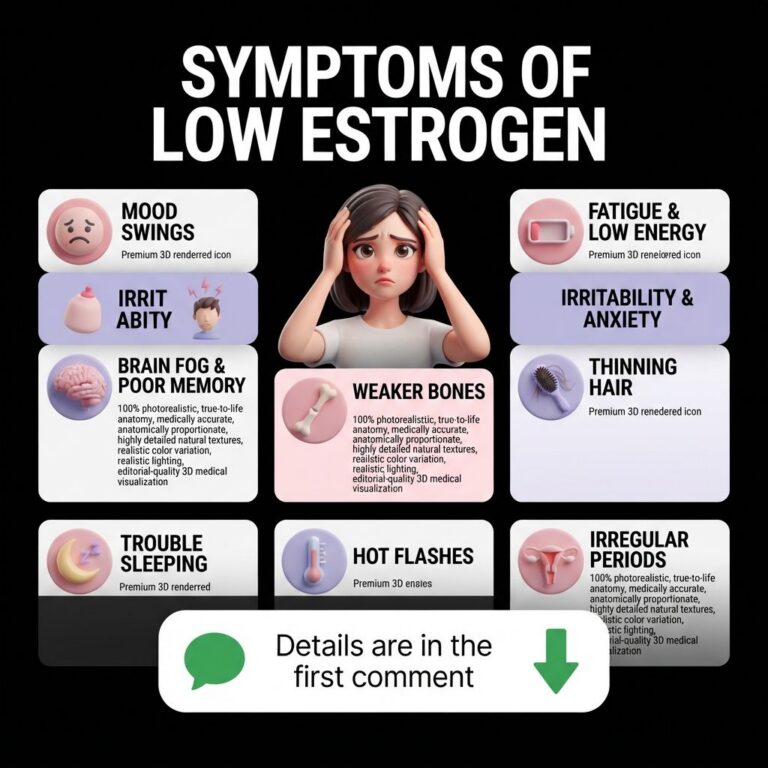
Understanding Low Estrogen: What Your Body is Telling You
Estrogen is a primary female sex hormone, crucial for the development and regulation of the female reproductive system and secondary sex characteristics. However, its influence extends far beyond reproduction, impacting bone health, cardiovascular function, skin elasticity, cognitive function, and mood. A decline in estrogen levels can occur for various reasons, most commonly during perimenopause and menopause, but also due to certain medical conditions, intense exercise, or nutritional factors.
When estrogen levels dip, the body attempts to adapt, but these adaptations often come with noticeable side effects. Paying attention to these changes can empower you to seek timely medical advice and explore appropriate management strategies.
9 Subtle Low Estrogen Symptoms You Shouldn’t Ignore
Here are the key indicators that your estrogen levels might be lower than ideal, each playing a role in your overall health and quality of life:
Mood Swings
Fluctuating estrogen levels can significantly impact neurotransmitters in the brain, such as serotonin, which are responsible for mood regulation. This hormonal imbalance can lead to increased emotional sensitivity, making you feel irritable, anxious, or suddenly tearful without an obvious trigger. These mood shifts can be perplexing and disruptive to daily life.
Fatigue & Low Energy
Many women experiencing low estrogen report persistent tiredness and a noticeable drop in energy levels, even after adequate rest. Estrogen plays a role in energy metabolism and mitochondrial function. When it’s low, your body may struggle to maintain its usual vitality, leading to a pervasive sense of sluggishness.
Brain Fog & Poor Memory
Estrogen is vital for cognitive function, including memory, concentration, and clarity of thought. A decrease in estrogen can manifest as ‘brain fog,’ making it difficult to focus, recall information, or process thoughts quickly. You might find yourself forgetting names, misplacing items, or struggling with tasks that once came easily.
Weaker Bones
Estrogen plays a critical role in maintaining bone density by regulating bone remodeling. When estrogen levels are low, bone loss can accelerate, increasing the risk of osteoporosis and fractures. This is a long-term concern that underscores the importance of addressing hormonal balance early.
Thinning Hair
Hair health is closely linked to hormonal balance. Estrogen helps maintain the anagen (growth) phase of the hair cycle. Low estrogen can cause hair follicles to shrink, leading to increased hair shedding, thinning hair, or even a noticeable reduction in hair volume and luster.
Irregular Periods
One of the most direct indicators of hormonal shifts, irregular periods are a common symptom of low estrogen. Estrogen is essential for regulating the menstrual cycle, including the thickening of the uterine lining. When levels are low, periods may become unpredictable, lighter, heavier, or stop altogether.
Trouble Sleeping
Estrogen impacts sleep quality by influencing thermoregulation and the production of sleep-regulating hormones. Women with low estrogen may experience difficulty falling asleep, staying asleep, or having restless, unrefreshing sleep. This can exacerbate fatigue and mood disturbances.
Hot Flashes
Perhaps one of the most widely recognized symptoms of declining estrogen, hot flashes are sudden, intense sensations of heat, often accompanied by sweating and flushing. They are primarily caused by the hypothalamus (the brain’s thermostat) overreacting to minor temperature changes due to fluctuating estrogen levels.
Irritability & Anxiety
Beyond general mood swings, low estrogen can heighten feelings of irritability and anxiety. This can be due to the hormone’s direct impact on brain chemistry and its role in modulating stress responses. Many women report feeling on edge, more easily frustrated, or experiencing heightened nervousness without a clear external cause.
When to Consult a Professional
Recognizing these symptoms is a crucial first step, but it’s important to remember that they can also be indicative of other health conditions. If you are experiencing several of these signs, particularly if they are impacting your quality of life, it is highly recommended to consult a qualified healthcare professional. A doctor can accurately diagnose low estrogen through blood tests and discuss potential causes and appropriate management or treatment options tailored to your individual needs.
Final Thoughts
Understanding the subtle messages your body sends is an act of self-care. Low estrogen symptoms can significantly affect your physical and emotional well-being, but they don’t have to define your experience. By staying informed and proactive, you can work with healthcare providers to restore balance and improve your quality of life.
Medical Disclaimer
The information provided in this article is for educational purposes only and is not intended as medical advice. Always consult with a qualified healthcare professional before making any decisions related to your health or treatment.