Understanding the progression of lung cancer can be life-saving. This serious illness often shows subtle signs in its early stages, making awareness and early detection critically important. By knowing the warning signs and understanding how lung cancer progresses, you can empower yourself and your loved ones to seek timely medical attention.
Lung cancer is one of the leading causes of cancer-related deaths worldwide. While it may seem daunting, being informed about its stages and characteristics can significantly impact outcomes. This article will guide you through the stages of lung cancer progression, from healthy lung tissue to advanced stages, highlighting the importance of vigilance and proactive health management.
The Journey of Lung Cancer: From Healthy to Advanced Stages
Lung cancer doesn’t appear overnight; it typically follows a progression that can take years. Understanding this journey is key to appreciating why early detection offers the best chance for effective treatment. Let’s explore the various stages, as illustrated by medical insights.
Healthy Lungs and Cells
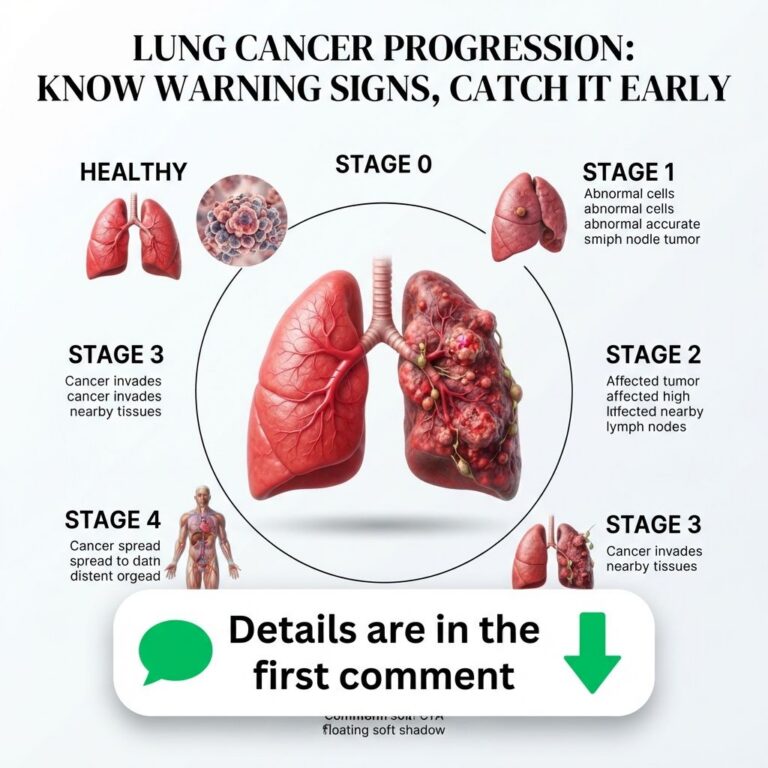
Before any signs of illness, our lungs are vibrant and efficient, composed of billions of healthy cells that work together to facilitate breathing. These cells multiply and die in a controlled manner, ensuring the continuous optimal function of the respiratory system. Maintaining healthy lungs through lifestyle choices like avoiding smoking and minimizing exposure to pollutants is fundamental for prevention.
Stage 0: Carcinoma In Situ
Stage 0 represents the earliest form of lung cancer, often referred to as Carcinoma In Situ. At this point, abnormal cells are present, but they are typically confined to the very lining of the lung or bronchi and have not yet become invasive or spread into deeper tissues. Because these cells haven’t invaded nearby tissues, they are generally not considered to be cancerous in the traditional sense, but rather a pre-cancerous condition. Detection at this stage is rare and usually happens incidentally during examinations for other conditions.
Stage 1 Lung Cancer
In Stage 1, lung cancer is still localized and relatively small. The cancer cells have invaded the lung tissue but have not spread to the lymph nodes or distant parts of the body. This stage is further divided into 1A and 1B based on tumor size. Generally, the tumor is less than 4 cm in its greatest dimension. Early diagnosis in Stage 1 often leads to better prognosis and treatment options, such as surgery to remove the tumor, offering a higher chance of a cure.
Stage 2 Lung Cancer
Stage 2 indicates that the cancer has either grown larger or has spread to nearby lymph nodes on the same side of the chest as the primary tumor. Like Stage 1, it’s also divided into 2A and 2B, considering both tumor size and lymph node involvement. At this stage, the tumor might be larger (up to 7 cm) or involve hilar lymph nodes (lymph nodes around the main airway leading into the lung). Treatment may involve surgery, chemotherapy, or radiation therapy, or a combination of these, depending on the specifics of the case.
Stage 3 Lung Cancer
Stage 3 lung cancer signifies a more advanced local spread. The cancer may have grown significantly larger, spread to more distant lymph nodes within the chest (potentially on the opposite side), or invaded nearby structures such as the chest wall, diaphragm, heart lining, major blood vessels, trachea, or esophagus. This stage is complex and often requires a multidisciplinary approach to treatment, combining surgery, chemotherapy, radiation, and sometimes targeted therapy or immunotherapy. Stage 3 is classified into 3A, 3B, and 3C based on the extent of spread.
Stage 4 Lung Cancer
Stage 4 is the most advanced stage of lung cancer. At this point, the cancer has spread (metastasized) from the lung to distant parts of the body. Common sites for metastasis include the brain, bones, liver, and adrenal glands. Treatment for Stage 4 lung cancer is typically aimed at controlling the disease, alleviating symptoms, and improving quality of life, rather than achieving a cure. Options may include chemotherapy, radiation therapy, targeted therapies that block specific molecules involved in cancer growth, or immunotherapy that boosts the body’s natural defenses.
Recognizing Warning Signs for Early Detection
While understanding the stages is important, the most critical step for anyone is to recognize potential warning signs that might prompt a visit to a healthcare professional. Lung cancer symptoms can be subtle and often mimic those of less serious conditions, especially in the early stages. However, persistence and worsening of these symptoms warrant investigation.
- Persistent Cough: A new cough that doesn’t go away or a chronic cough that gets worse.
- Chest Pain: Pain that worsens with deep breathing, coughing, or laughing.
- Shortness of Breath: Feeling winded or breathless more easily.
- Wheezing: Noisy breathing.
- Hoarseness: A change in voice that lasts for more than a few weeks.
- Weight Loss and Fatigue: Unexplained weight loss, loss of appetite, and persistent tiredness.
- Repeated Infections: Frequent bouts of bronchitis or pneumonia.
If you experience any of these symptoms, especially if you have risk factors such as a history of smoking, exposure to secondhand smoke, or certain environmental toxins, it is crucial to consult your doctor. Early diagnosis can make a significant difference in treatment effectiveness and survival rates.
The Role of Screening and Prevention
For individuals at high risk of lung cancer, such as heavy smokers or former smokers, low-dose CT (LDCT) screening may be recommended. This screening can help detect lung cancer at an earlier, more treatable stage. Discuss with your doctor if you qualify for lung cancer screening.
Beyond screening, prevention remains the most powerful tool. Avoiding smoking, limiting exposure to secondhand smoke and air pollution, and maintaining a healthy lifestyle can significantly reduce your risk of developing lung cancer. Education and awareness campaigns also play a vital role in encouraging healthier choices and promoting early detection.