Our bodies are truly marvels of nature, intricate systems that perform countless tasks every second of every day, often without us ever having to think about them. From the moment we’re born until our very last breath, an incredible symphony of processes keeps us alive, healthy, and functioning. This silent, tireless work is the foundation of our existence, making us wonder just how much goes on behind the scenes.
Have you ever stopped to consider the sheer complexity and dedication of your vital organs? While we might consciously control movements or speech, the most critical functions happen automatically, orchestrated by an internal intelligence that demands no conscious thought or effort. It’s these fundamental, often overlooked, facts that remind us of the incredible biology powering our lives.
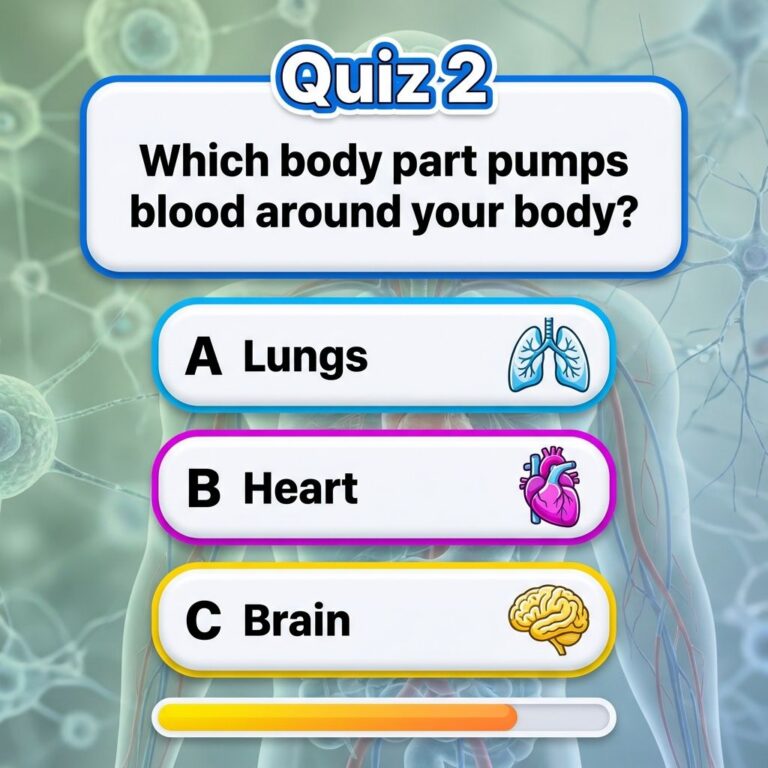
The Heart’s Relentless Rhythm: A Lifetime of Work
Perhaps the most famous of our body’s tireless workers is the heart. This muscular organ, roughly the size of your fist, beats an astonishing 100,000 times a day, pumping approximately 2,000 gallons of blood throughout your body. Imagine if you had to consciously tell your heart to beat every single time! Luckily, it’s an involuntary muscle, meaning it works independently, keeping oxygen and nutrients flowing to every cell without a second thought from you.
- Non-Stop Performance: The heart never truly rests; even during sleep, it maintains its steady rhythm.
- Electrical Signals: Its beats are regulated by an internal electrical system, ensuring precise timing and coordination.
- Lifeline: Without its constant work, oxygen-rich blood wouldn’t reach your tissues, leading to immediate system failure.
The Brain’s Silent Command Center: Beyond Conscious Thought
While we use our brains for thinking, problem-solving, and decision-making, a significant portion of its activity is dedicated to involuntary processes. The brainstem, for instance, controls vital functions like breathing, heart rate, digestion, and blood pressure. You don’t have to remind yourself to breathe 12-20 times per minute, nor do you actively manage the complex process of turning food into energy. This is all handled by your brain’s autonomous nervous system, a true master of multitasking.
The Power of the Autonomous Nervous System:
- Breathing: Regulates the intake of oxygen and release of carbon dioxide.
- Digestion: Orchestrates the breakdown of food and absorption of nutrients.
- Temperature Control: Adjusts your body to maintain a stable internal temperature.
The Lungs’ Vital Exchange: Air for Life
Complementing the heart and brain, your lungs tirelessly work to facilitate gas exchange. Every breath you take, consciously or not, brings oxygen into your bloodstream and expels carbon dioxide, a waste product. This constant, rhythmic exchange is crucial for cellular function and overall survival. The diaphragm and intercostal muscles work in harmony, expanding and contracting your chest cavity to draw air in and push it out, all orchestrated without your active participation.
Think about how many breaths you take in a day – thousands upon thousands – each one a testament to your body’s incredible efficiency and dedication to keeping you alive.
Beyond the Obvious: Other Unsung Heroes
While the heart, lungs, and brain are often highlighted, many other organs perform vital, unconscious roles:
- Kidneys: These bean-shaped organs filter about 120-150 quarts of blood daily, removing waste products and excess water to produce urine. This detoxification process is entirely automatic.
- Liver: Your liver performs over 500 vital functions, including detoxifying chemicals, metabolizing drugs, and producing bile for digestion. It’s a chemical factory running 24/7 without your supervision.
- Digestive System: From the moment food enters your mouth, an intricate cascade of muscular contractions (peristalsis) and enzymatic reactions takes over, ensuring nutrients are extracted and waste is processed, all without your conscious command.
Appreciating the Inner Workings
Understanding these basic yet profound facts about the human body can foster a deeper appreciation for our own biology. It reminds us that while we navigate the world with our thoughts and actions, an entire universe of complexity operates within us, sustaining life effortlessly. So, the next time you take a breath or feel your heartbeat, take a moment to marvel at the incredible, unconscious work your body performs every single moment. It’s a reminder that sometimes, the greatest wonders are the ones we never even think about.