When we think of natural remedies, our minds often jump to solutions for skin irritations or digestive woes. But did you know that one common houseplant, often lauded for its soothing gel, holds secrets for supporting your overall wellness, including factors that contribute to healthy vision? Most people never realize this works because they often associate aloe vera with topical applications or internal digestive aids, overlooking its broader potential.
Aging brings many changes, and for many, concerns about eye health become more prominent. While no natural remedy can reverse conditions like cataracts or glaucoma, maintaining optimal bodily health and reducing systemic inflammation can certainly contribute to clearer vision and overall eye well-being. This guide focuses on how to prepare and use aloe vera internally to support your body’s natural defenses and promote a healthy foundation for your eyes.

What is Aloe Vera and Why Consider it for Eye Health?
Aloe vera, scientifically known as Aloe barbadensis miller, is a succulent plant species known for its medicinal properties. The thick, fleshy leaves contain a gel-like substance rich in vitamins, minerals, enzymes, amino acids, and antioxidants. While it’s famously used for burns and digestion, its internal consumption can offer systemic benefits that indirectly support various bodily functions, including those that contribute to eye health.
Its key components like polysaccharides, antioxidants (Vitamins A, C, E), and anti-inflammatory compounds work within the body to combat oxidative stress and inflammation. Both are factors that can impact overall health and, by extension, the delicate structures of the eyes. By supporting cellular health and reducing inflammation throughout the body, aloe vera contributes to an environment conducive to maintaining healthy vision.
Ingredients for Your Aloe Vera Eye Health Tonic
For a simple, fresh aloe vera tonic designed to support your wellness:
- Fresh Aloe Vera Leaf: 1 large, mature leaf (about 8-10 inches long)
- Filtered Water: 1 cup (240ml)
- Lemon Juice (optional): 1 tablespoon (15ml) for taste and preservation
- Raw Honey or Maple Syrup (optional): 1 teaspoon for sweetness
Approximate Measurements
- Aloe Gel: Approximately 2-3 tablespoons (30-45ml) of clear inner gel per leaf.
- Water: 1 cup (240ml) per serving. Adjust for desired consistency.
Step-by-Step: Crafting Your Aloe Vera Elixir
Preparing your own fresh aloe vera tonic is straightforward, but precision is key to avoid the bitter, laxative component called aloin.
-
Harvest and Wash the Leaf
Carefully cut one mature aloe vera leaf from the base of the plant. Wash it thoroughly under running water to remove any dirt or debris.
-
Drain the Aloin
This is the part most people skip! Stand the cut end of the leaf upright in a glass or bowl for at least 10-15 minutes. A yellowish sap, called aloin, will drain out. Aloin can be a strong laxative and bitter, so it’s essential to remove it. You may see a yellowish liquid accumulating; this is what you want to avoid in your tonic.
-
Prepare the Leaf
Lay the leaf flat. Using a sharp knife, carefully slice off the thorny edges of the leaf. Then, slice the leaf lengthwise down the middle.
-
Extract the Gel
With a spoon, gently scoop out the clear, gelatinous inner gel. Try to avoid scraping too close to the green outer skin, as this can still contain traces of aloin. You should have a clear, somewhat slimy gel.
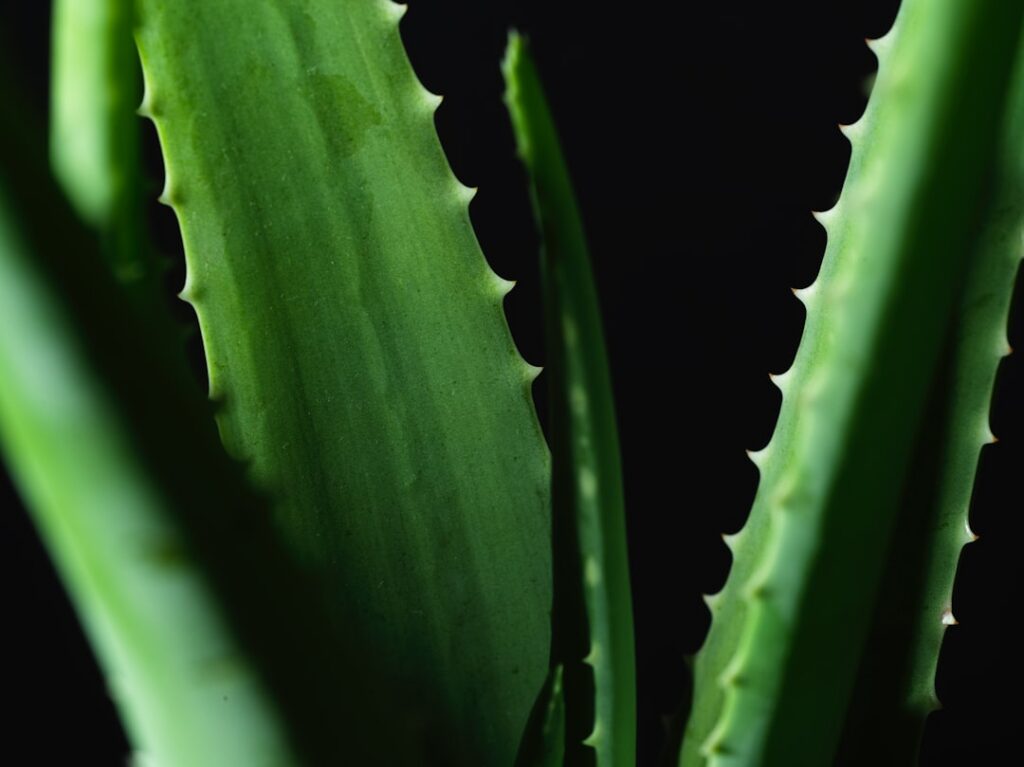
Carefully extracting the clear inner gel is crucial for a pleasant and safe tonic. -
Blend Your Tonic
Place the extracted aloe vera gel into a blender. Add 1 cup of filtered water. If desired, add lemon juice and a touch of honey or maple syrup. Blend on high until the mixture is smooth and slightly frothy. Ensure there are no lumps of gel remaining.
-
Serve Immediately
Pour your freshly blended aloe vera tonic into a glass and consume immediately for maximum freshness and nutrient retention.
How to Use & Best Time to Consume
For general wellness support, including factors that promote eye health, consume one serving of this fresh aloe vera tonic daily. The best time to take it is in the morning, on an empty stomach, about 20-30 minutes before your first meal. This allows for optimal absorption of its beneficial compounds.
Quick Tip: Fresh vs. Store-Bought Aloe Vera Juice
While fresh aloe vera gel offers the most potent benefits, high-quality, pure aloe vera juice from a reputable source can be a convenient alternative if fresh leaves are unavailable or too time-consuming to prepare. Always look for products that are aloin-free, certified organic, and contain minimal additives.
Why Aloe Vera Supports Overall Wellness
Aloe vera’s systemic benefits are extensive. It’s rich in antioxidants like vitamins A, C, and E, which combat free radicals that can damage cells throughout the body, including those in the eyes. Its anti-inflammatory properties can help reduce chronic inflammation, a factor implicated in many age-related conditions. Additionally, aloe vera supports digestive health, which is intricately linked to overall immunity and nutrient absorption.
By improving gut health, the body can better absorb essential nutrients needed for eye function, and a balanced inflammatory response can reduce stress on ocular tissues. While it’s not a direct treatment for specific eye diseases, a body that functions optimally is better equipped to maintain the health of all its organs, including the eyes.
Who Can Benefit Most from This Remedy?
This aloe vera tonic is most beneficial for individuals looking to:
- Support general wellness and antioxidant intake.
- Promote healthy digestion and nutrient absorption.
- Reduce systemic inflammation naturally.
- Incorporate natural compounds that indirectly contribute to the maintenance of healthy vision.
- Those seeking a natural, hydrating beverage with added health benefits.
Common Mistakes When Preparing Aloe Vera
To get the most out of your aloe vera tonic and avoid potential discomfort, be aware of these common pitfalls:
- Not Draining the Aloin: The yellowish sap (aloin) found just under the skin is a potent laxative and can cause stomach upset. Always drain it thoroughly.
- Using the Whole Leaf: The outer green skin is not for internal consumption. Only the clear inner gel is used.
- Using the Wrong Species: Ensure you are using Aloe barbadensis miller, the most common medicinal aloe. Other aloe species may not have the same properties or could be irritating.
- Improper Storage of Leaves: Fresh leaves should be used relatively quickly or stored in the refrigerator for a week at most.
- Ignoring Your Body’s Signals: If you experience any digestive discomfort, stop use immediately.
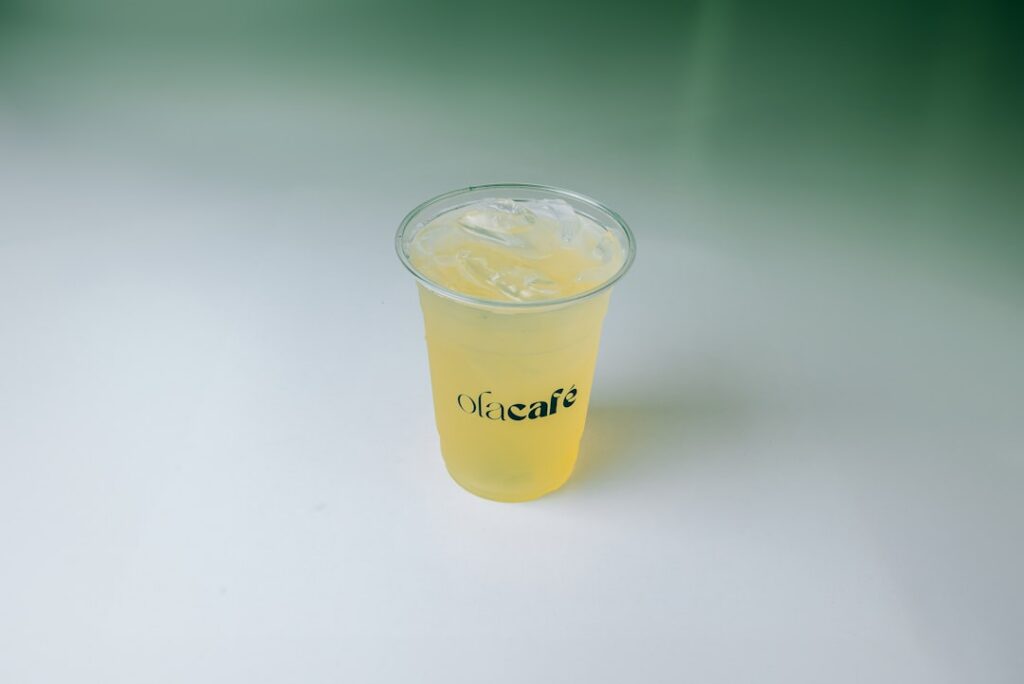
Fresh Aloe Gel vs. Commercial Aloe Juice
| Feature | Fresh Aloe Gel | Commercial Aloe Juice |
|---|---|---|
| Preparation | DIY from leaf, time-consuming | Ready-to-drink, convenient |
| Nutrient Purity | Potentially highest, no additives | Can vary, check labels for purity |
| Aloin Content | Must be manually drained (crucial) | Usually processed to be aloin-free |
| Taste | Slightly bitter, can be grassy | Often milder, sometimes flavored |
| Cost | Low (if you grow it) | Higher, ongoing expense |
| Shelf Life | Best consumed immediately | Days to months (refrigerated after opening) |
Storage Guidelines
Freshly prepared aloe vera tonic is best consumed immediately. If you prepare a larger batch for the day, store it in an airtight container in the refrigerator for no more than 24 hours. The beneficial compounds can degrade over time, so freshness is key.
Cautions & Who Should Avoid This Remedy
While generally safe for most, certain individuals should exercise caution or avoid internal aloe vera consumption:
- Pregnant or Nursing Women: Consult a healthcare provider before use.
- Children: Not recommended for internal use in children without medical guidance.
- Individuals with Digestive Issues: If you have conditions like Crohn’s disease, ulcerative colitis, or irritable bowel syndrome, aloe vera may exacerbate symptoms.
- Diabetics: Aloe vera may lower blood sugar levels, requiring careful monitoring if on medication.
- Those on Medications: Aloe vera can interact with certain medications, including diuretics, blood thinners, and drugs for diabetes. Always consult your doctor.
- Allergies: If you are allergic to plants in the Liliaceae family (garlic, onions, tulips), you may be allergic to aloe vera.
Quick Summary for Busy Readers
- Best Preparation: Freshly blended aloe vera gel (aloin-free) with water.
- Best Use-Case: Daily morning tonic for general wellness, digestion, and antioxidant support.
- Storage: Consume immediately; refrigerate leftovers in an airtight container for up to 24 hours.
- When to Use: Morning, on an empty stomach.
- What to Avoid: The yellowish aloin sap, the green outer skin, and excessive consumption without medical advice.
Frequently Asked Questions (FAQ)
Can I use fresh or dried aloe vera?
For internal tonics, fresh aloe vera gel is highly recommended. Dried aloe is typically made from the aloin-rich latex and is not suitable for this purpose.
How long does the fresh tonic last?
It’s best consumed immediately. You can store it in the refrigerator for up to 24 hours, but potency decreases over time.
Can I refrigerate whole aloe leaves?
Yes, whole aloe leaves can be stored in the refrigerator for about 1-2 weeks. Wrap them loosely in plastic or a cloth to prevent drying.
How often should I use this tonic?
One serving daily is generally sufficient for maintenance and support.
What part of the aloe leaf is best for internal use?
Only the clear, gelatinous inner gel should be used for internal consumption. The green outer rind and yellow sap (aloin) should be discarded.
Can I add other ingredients to my aloe tonic?
Yes, you can enhance it with a squeeze of orange or grapefruit juice, a few mint leaves, or a small piece of ginger for added flavor and benefits.
When should I avoid internal aloe vera?
Avoid if pregnant, nursing, on specific medications (especially blood thinners or diabetes meds), or if you have severe digestive conditions, without consulting a healthcare professional.
Will this cure my cataracts or glaucoma?
No, this tonic is not a cure for cataracts or glaucoma. It is designed to support overall bodily health and reduce systemic inflammation, which can indirectly contribute to maintaining healthy vision, but it does not treat specific eye diseases.
Conclusion
Incorporating fresh aloe vera tonic into your daily routine can be a simple yet powerful way to support your overall health. By focusing on its antioxidant and anti-inflammatory properties, you’re investing in your body’s foundational wellness, which plays a crucial role in maintaining the health of all your systems, including your eyes. Remember to prepare it carefully to maximize benefits and consult with a healthcare provider if you have underlying health conditions or are on medication.
Read more: DIY Gut Health Elixirs You Can Make at Home
You may also like: Natural Anti-Inflammatory Foods for Daily Wellness