Most people focus on the delicious, sweet fruit of the fig tree, often overlooking the true secret that lies within its broad, beautiful leaves. What if we told you that the humble fig leaf, often discarded, holds a treasure trove of practical uses and traditional wisdom? Beyond being a simple backdrop to the fruit, these leaves have a remarkable potential that many herbalists and home remedy enthusiasts are rediscovering. This guide will show you how to harness the power of fig leaves for your daily wellness routine, turning an often-ignored plant part into a valuable resource.
What It Is: The Power of Fig Leaves
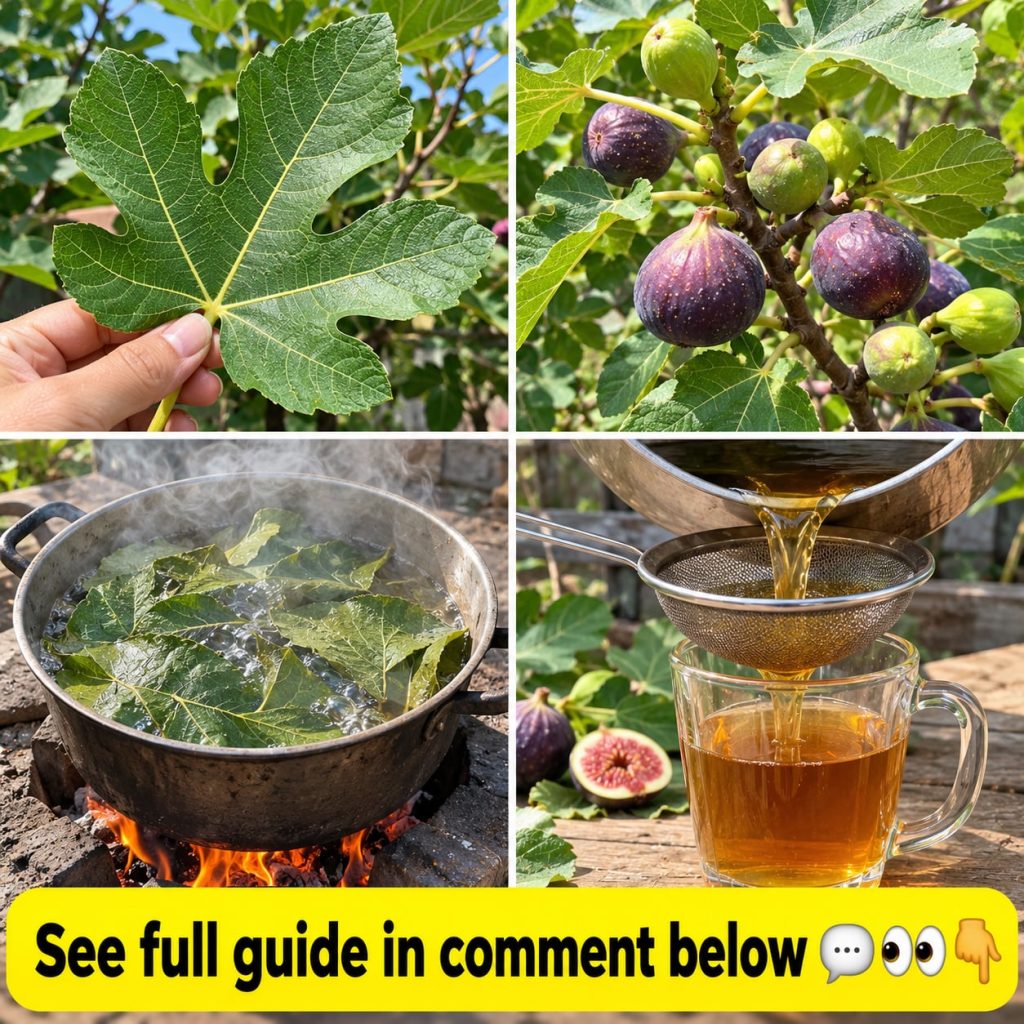
Fig leaves come from the fig tree (Ficus carica), a plant celebrated for its fruit for thousands of years. While the fruit gets all the culinary attention, the leaves have a rich history in traditional medicine and home remedies across various cultures. They contain beneficial compounds like flavonoids, polyphenols, and fiber, which contribute to their unique properties. These compounds are what make fig leaves a subject of growing interest for their potential in simple, everyday preparations.
Ingredients for a Simple Fig Leaf Tea
One of the easiest and most common ways to utilize fig leaves is by brewing them into a tea. This warm, comforting infusion allows you to extract many of their valuable components. Here’s what you’ll need for a basic fig leaf tea:
- Fresh or Dried Fig Leaves
- Water
Approximate Measurements
For a standard cup of fig leaf tea:
- Fresh Leaves: 1-2 medium-sized leaves, roughly chopped.
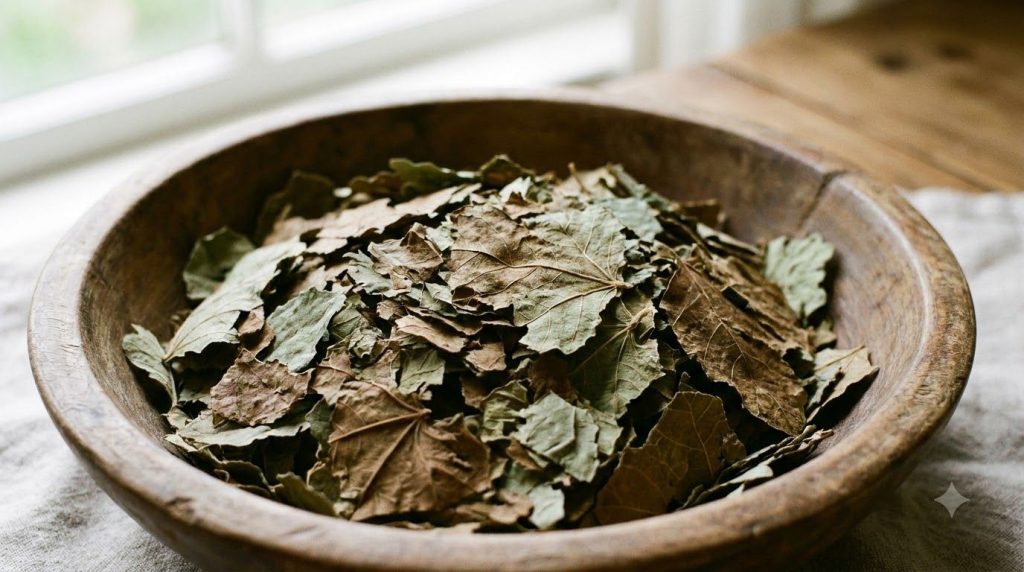
- Dried Leaves: 1-2 teaspoons of crumbled dried leaves.
- Water: 8-10 ounces (about 1 cup).
Formula / Recipe: Crafting Your Fig Leaf Tea
Making fig leaf tea is straightforward, but precision in the method ensures you get the most out of your leaves without over-extracting or creating a bitter taste.
Step-by-Step Method
- Gather Your Leaves: If using fresh leaves, choose healthy, blemish-free leaves from a fig tree that has not been sprayed with pesticides. Rinse them thoroughly under cold water. If using dried leaves, ensure they are clean and free from dust.
- Prepare the Leaves: For fresh leaves, tear or chop them into smaller pieces (about 1-inch squares). This increases the surface area for extraction. Dried leaves can be used as is or lightly crushed.
- Boil Water: Bring your water to a rolling boil in a pot or kettle.
- Combine: Place the prepared fig leaves into a heat-proof mug or teapot.
- Pour and Steep: Pour the hot water directly over the leaves.
- Cover: Immediately cover your mug or teapot. This step is crucial as it helps trap the volatile compounds and essential oils, preventing them from escaping with the steam.
- Steep: Let the tea steep for 5-10 minutes. For a stronger brew, you can steep a little longer, but be careful not to make it overly bitter.
- Strain and Serve: Strain the leaves from the liquid and discard them. Your fig leaf tea is now ready to enjoy. You can add a touch of honey or a squeeze of lemon if desired.
How to Use Fig Leaf Tea
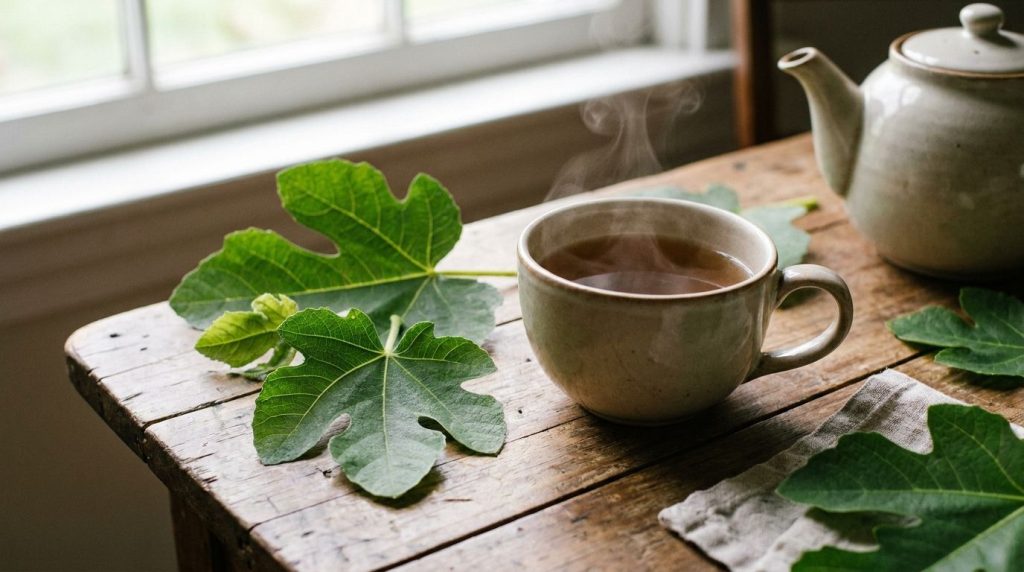
Fig leaf tea is best consumed warm. It has a mild, earthy, slightly grassy flavor. Many enjoy it simply as a comforting beverage. Some people use fig leaf tea as part of their routine to support various aspects of their health, from aiding digestion to promoting general wellness.
How Often to Use
For general wellness, drinking 1-2 cups of fig leaf tea per day is a common approach. It’s always a good idea to start with a smaller amount and observe how your body responds before increasing frequency.
How to Buy / How to Choose Ingredients
When sourcing fig leaves, quality is paramount:
- Fresh Leaves: Ideally, harvest them yourself from an organic, unsprayed fig tree. Choose vibrant green leaves that show no signs of disease, insect damage, or discoloration. Harvest in the morning after the dew has dried.
- Dried Leaves: If purchasing, look for reputable herbal suppliers. Ensure the dried leaves are still green or light brown, not overly dark or dusty, and have a pleasant, mild aroma.
Quick Tip: The best leaves are usually those that are fully mature but not yet aged or yellowing. Avoid very young, tender leaves or old, tough ones.
Fresh vs. Dried Fig Leaves
| Feature | Fresh Fig Leaves | Dried Fig Leaves |
|---|---|---|
| Availability | Seasonal (spring to early fall) | Year-round |
| Flavor | Fresher, sometimes more robust | Milder, earthy, concentrated |
| Preparation | Rinse, chop immediately | Crush, steep directly |
| Potency | Can be higher in some volatile compounds | Concentrated, easier to measure consistently |
| Storage | Perishable, best used same day or dried | Long-term storage, airtight container |
Storage
- Fresh Leaves: Best used immediately. If you must store them, wrap them in a damp paper towel and place them in a plastic bag in the refrigerator for no more than 1-2 days.
- Dried Leaves: Store in an airtight container away from direct sunlight, heat, and moisture. Properly stored, dried fig leaves can last for up to a year.
- Prepared Tea: Fig leaf tea is best consumed fresh. If you have leftovers, store them in an airtight container in the refrigerator for up to 24 hours. Reheat gently, but fresh is always preferred for optimal flavor and potency.
Did You Know? Drying your own fig leaves is a simple process. Just wash them, pat them dry, and lay them flat on a clean screen in a well-ventilated area away from direct sunlight until they are brittle.
Practical Tips
- Start Small: If you’re new to fig leaf tea, begin with a single leaf or a smaller amount of dried leaves to gauge your body’s reaction.
- Experiment with Steep Time: A longer steep time can make the tea more potent but may also increase bitterness. Find your preferred balance.
- Combine with Other Herbs: Fig leaf tea can be blended with other mild herbs like peppermint or chamomile for added flavor or synergistic effects.
- Consider a Cold Brew: For a milder taste, try a cold brew method by steeping leaves in cold water overnight in the refrigerator, then straining.
Common Mistakes
Avoiding these common pitfalls will help ensure a better fig leaf tea experience:
- Using Sprayed Leaves: Never use leaves from a tree that has been treated with pesticides or herbicides. Contaminants can be harmful.
- Over-Boiling: Boiling the leaves directly in water for an extended period can destroy delicate compounds and lead to a very bitter taste. Always use boiled water poured over the leaves.
- Skipping the Cover: Not covering your tea while steeping allows beneficial volatile compounds to escape with the steam, reducing the tea’s efficacy and aroma.
- Using Damaged or Diseased Leaves: Always select healthy, vibrant leaves. Damaged leaves may harbor mold or other undesirable elements.
- Improper Storage of Dried Leaves: Exposure to air, light, and moisture will degrade the quality of dried leaves quickly, reducing their potency and shelf life.
Cautions / Who Should Avoid It
While generally considered safe for most people in moderation, certain individuals should exercise caution or avoid fig leaf tea:
- Pregnant or Breastfeeding Women: Consult a healthcare professional before use due to limited research on safety.
- Individuals on Medication: Fig leaves may interact with certain medications, particularly those for blood sugar or blood thinners. Always consult your doctor.
- Allergies: If you have allergies to other plants in the Moraceae family (like mulberries), you might be sensitive to fig leaves.
- Photosensitivity: Some people may experience increased skin sensitivity to sunlight after consuming fig leaves.
Quick Summary
Fig leaves, often overlooked, offer a simple and accessible way to support wellness through a homemade tea. Here’s a quick overview:
- Best Preparation: Infusion (tea) using fresh or dried leaves.
- Best Use-Case: Daily beverage for general wellness support.
- Storage: Dried leaves in airtight containers; fresh tea consumed immediately.
- When to Use: 1-2 cups daily, ideally not on an empty stomach for sensitive individuals.
- What to Avoid: Sprayed leaves, over-boiling, and not covering during steeping.
You may also like: Read more about other herbal teas for everyday wellness.
FAQ
- Can I use fresh or dried fig leaves?
Both fresh and dried fig leaves can be used to make tea. Dried leaves offer convenience and longer storage, while fresh leaves provide a slightly different flavor profile. - How long does fig leaf tea last?
The tea is best consumed immediately after brewing. If refrigerated, it should be used within 24 hours for optimal freshness and potency. - Can I refrigerate fig leaf tea?
Yes, you can refrigerate it in an airtight container for up to 24 hours. - How often should I use it?
1-2 cups per day is a common recommendation, but always listen to your body and consult a professional if you have concerns. - What part of the fig tree is best for tea?
The mature, healthy green leaves are ideal for tea preparation. Avoid very young or very old, yellowing leaves. - Can I reuse the leaves?
While you can sometimes get a second, weaker brew from the same leaves, the potent compounds are mostly extracted in the first steep. For best results, use fresh leaves each time. - When should I avoid fig leaf tea?
Avoid if pregnant, breastfeeding, on certain medications (especially blood thinners or diabetes medication), or if you have known allergies to fig or related plants.
Related remedy: See the full guide on natural digestive aids.
Conclusion
The fig leaf is far more than just a background element to its famed fruit. With its rich history and array of beneficial compounds, it offers a simple yet profound addition to your home remedy toolkit. By carefully preparing and using fig leaf tea, you can tap into this hidden treasure and integrate a piece of nature’s subtle power into your daily routine. Embrace the art of mindful preparation and enjoy the quiet wisdom of the fig tree’s forgotten leaves. Continue with: Learn how to dry your own herbs at home.
