Most people wash their rice before cooking it, discarding the cloudy water without a second thought. But what if we told you that the very liquid you’re pouring down the drain is a goldmine of unexpected benefits for your beauty routine? This is the part most people skip, yet it holds a simple, natural fix that can restore and relieve common hair and skin issues.
Rice water, a humble byproduct of cooking or soaking rice, has been a traditional beauty secret in various cultures for centuries. It’s not just folklore; modern research is beginning to uncover the surprising compounds within this simple liquid that make it incredibly useful for both hair and skin health. Forget expensive serums; your secret ingredient might already be in your pantry.
What is Rice Water?
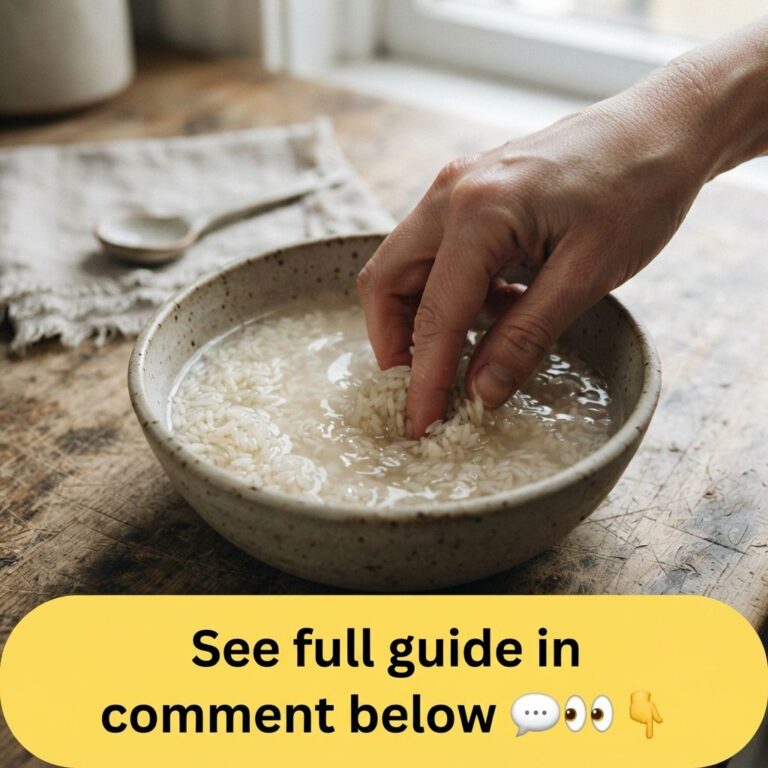
At its core, rice water is exactly what it sounds like: the starchy water left over after soaking or boiling rice. It can be plain, fermented, or boiled, each method offering slightly different concentrations of nutrients. Rich in vitamins, minerals, amino acids, and antioxidants, it’s a naturally potent tonic. Key components include inositol, a carbohydrate that can repair damaged hair, and a range of B vitamins, Vitamin E, and minerals like magnesium and zinc.
Ingredients
- 1/2 cup uncooked white rice (long-grain or short-grain, organic preferred)
- 2-3 cups filtered water
Approximate Measurements
The ratio of rice to water is flexible, but a good starting point is 1 part rice to 2-3 parts water. This provides a sufficiently concentrated solution without being overly thick or weak.
Formula / Recipe: The Basic Soak Method
This is the simplest and quickest way to make rice water. It produces a clear, starchy solution ready for immediate use.
- Rinse the Rice: Place 1/2 cup of rice in a fine-mesh strainer and rinse thoroughly under running cold water. This removes any surface impurities and excess starch.
- Soak: Transfer the rinsed rice to a clean bowl or jar. Add 2 cups of filtered water.
- Steep: Let the rice soak for 30 minutes to 2 hours at room temperature. The water should become cloudy. The longer it soaks, the more potent it becomes, but avoid going beyond 2 hours to prevent fermentation unless desired.
- Strain: Strain the rice water into a clean, airtight container, separating it from the rice grains. You can cook the rice as usual.
- Ready to Use: Your basic rice water is ready!
Quick Tip: Fermented vs. Plain Rice Water
While plain rice water is effective, fermented rice water is often considered more potent. To ferment, simply let the strained rice water sit at room temperature for 12-24 hours (or until it develops a slightly sour smell). Fermentation lowers the pH, making it closer to your hair’s natural pH and increasing antioxidant levels. However, it will have a distinct, stronger smell. Many prefer to dilute fermented rice water before use.
Step-by-Step Method: The Boil Method (For a More Concentrated Version)
For a richer, more concentrated rice water, boiling is an excellent option.
- Rinse the Rice: Rinse 1/2 cup of rice thoroughly under cold water.
- Boil: Combine the rinsed rice with 3 cups of filtered water in a saucepan. Bring to a boil, then reduce heat and simmer until the water becomes very cloudy and thick (about 15-20 minutes).
- Cool: Let the mixture cool completely.
- Strain: Strain the rice water, pressing the rice gently to extract all the liquid. Discard the rice or use it for cooking.
- Dilute (Optional): The boiled rice water will be quite concentrated. You might want to dilute it with 1-2 parts plain water before use, especially for hair rinses.
How to Use + Best Time to Use
Rice water is incredibly versatile:
- For Hair: Use as a final rinse after shampooing and conditioning. Pour it over your hair, ensuring it saturates your scalp and strands. Massage gently.
- For Skin: Apply to clean skin as a toner using a cotton pad, or spray directly onto your face. It can also be added to bathwater.
Best Time to Use It:
- Hair: After shampooing, 1-2 times a week. Leave it on for 5-20 minutes, then rinse with plain water.
- Skin: Morning and night after cleansing, before serums or moisturizers.
How Often to Use
Start with 1-2 times a week for both hair and skin to see how your body reacts. If tolerated well, you can increase frequency for hair to 3 times a week. For skin, daily application as a toner is generally fine, but listen to your skin.
How to Buy / How to Choose Ingredients
When choosing rice, opt for organic white rice if possible to avoid pesticides. Any type of white rice (jasmine, basmati, sushi rice) will work. Brown rice can also be used, but it has a different nutrient profile and may result in a thicker, darker water.
Storage
Store your homemade rice water in a clean, airtight container (like a glass jar or spray bottle) in the refrigerator. It typically lasts for 4-7 days. If you notice any unusual smell, discoloration, or mold, discard it immediately. Fermented rice water can last a bit longer due to its lower pH, but still aim for use within a week.
Practical Tips
- Patch Test: Always perform a patch test on a small area of skin or a small section of hair first to ensure no adverse reactions.
- Dilution: If using fermented or boiled rice water, consider diluting it with an equal part of plain water, especially if you have a sensitive scalp or skin.
- Smell: Fermented rice water can have a distinct, slightly sour smell. If you find it unpleasant, you can add a few drops of essential oil (like lavender or rosemary) to your diluted rice water, but be cautious with essential oils on skin.
Common Mistakes
- Not Rinsing the Rice: Skipping the initial rinse can introduce impurities or dirt into your rice water.
- Over-Fermenting: Letting rice water ferment for too long (beyond 24-48 hours) can lead to an overpowering smell and potentially harmful bacteria.
- Using Stale Rice Water: Using rice water that has been stored for too long can be ineffective or even harmful. Always store in the fridge and discard if it looks or smells off.
- Not Rinsing Hair After Use: While some leave it in, many find that rinsing hair with plain water after a rice water treatment prevents stiffness or product buildup.
- Using Flavored or Fortified Rice: Stick to plain white rice. Flavored or fortified rice may contain additives you don’t want in your beauty remedies.

Cautions / Who Should Avoid It
Rice water is generally safe for most people. However:
- Scalp Sensitivity: Individuals with very sensitive scalps might find concentrated or fermented rice water irritating. Always dilute and patch test.
- Protein Sensitivity: While rice water isn’t a strong protein treatment, some hair types (especially low porosity) can be sensitive to too much protein. If your hair feels stiff or brittle after use, reduce frequency or dilute further.
- Allergies: Though rare, if you have a known allergy to rice, avoid using rice water.
Quick Summary
Rice water is an affordable, natural remedy for enhancing hair and skin. Best prepared by soaking or boiling plain white rice, it should be stored in the refrigerator for up to a week. Use it as a hair rinse post-shampoo for stronger, shinier hair, or as a facial toner for clearer skin. Always patch test and dilute if needed, and avoid over-fermenting or using stale batches.
FAQ
- Can I use fresh or dried rice? You should use uncooked, fresh rice grains.
- How long does homemade rice water last? Stored in the refrigerator, it lasts 4-7 days.
- Can I refrigerate it? Yes, refrigeration is crucial for preserving it and slowing bacterial growth.
- How often should I use it for hair? Start with 1-2 times a week, increasing to 3 times if well-tolerated.
- How often should I use it for skin? Daily as a toner after cleansing is generally fine, but monitor your skin’s response.
- What part of the rice is best? The water from soaking or boiling plain white rice is used for this remedy.
- Can I reuse the rice? Yes, after straining the water, the rice grains can be cooked and eaten.
- When should I avoid using rice water? If you experience irritation, redness, or dryness, discontinue use. Individuals with known rice allergies should avoid it.
Conclusion
The journey to healthier hair and glowing skin doesn’t always require expensive products or complex routines. Sometimes, the most potent remedies are found in the simplest ingredients, overlooked in our daily lives. Rice water is a testament to this, offering a natural, cost-effective, and remarkably effective solution for common beauty concerns. Give this ancient secret a try, and you might just discover your new favorite beauty staple.
You may also like: DIY Natural Hair Masks for Every Hair Type
Read more: Simple Homemade Facial Toners You Can Make Today