Have you ever looked at a pile of old wood and wondered if it still had a story to tell? We often see beauty in new things, but there’s a special magic in giving forgotten materials a second life. In our gardens, this can be incredibly rewarding, turning what might seem like ‘scraps’ into features that not only save you money but also add a unique, soulful charm to your outdoor space.
Today, we’re going to explore how a simple idea – repurposing old boards – can transform a plain stretch of garden into a beautiful, inviting pathway. It’s a project that speaks to our love for sustainability, personal expression, and connecting with nature, all while creating a truly serene spot right in your backyard.
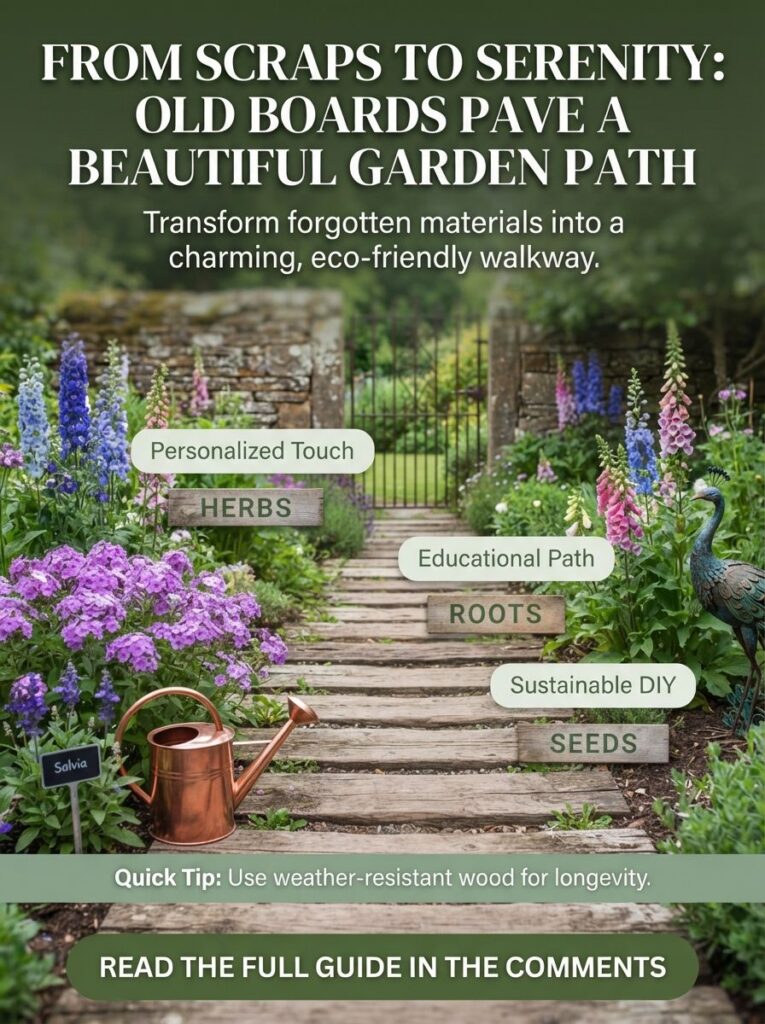
The Heart of Sustainable Gardening: Repurposing Old Treasures
At its core, gardening is about growth and renewal. Why shouldn’t our approach to garden design reflect that same spirit? Repurposing materials like old fence boards, pallets, or even salvaged deck planks isn’t just a budget-friendly choice; it’s a powerful way to reduce waste and embrace an eco-friendlier lifestyle. Every piece of wood given a new purpose is one less item headed for the landfill and one more piece of character added to your garden.
Think about it: those weathered textures, the subtle color variations, and the story etched into each board can’t be replicated by new, uniform materials. It’s a ‘personalized touch’ that makes your garden uniquely yours, telling a tale of ingenuity and care.
Planning Your Rustic Walkway: Design and Material Choices
Before you start hauling boards, take a moment to visualize your path. Where will it lead? What kind of flow do you want to create? A winding path through a flower bed or a straight shot to a cozy seating area? Sketching out your ideas can really help.
Choosing Your Boards Wisely
When selecting old boards, durability is key. Quick Tip: Use weather-resistant wood for longevity. Cedar, redwood, or even pressure-treated lumber (if it’s old and has leached out most of its chemicals, or you’re using it in a non-edible garden area) are excellent choices. Look for boards that are relatively flat and free from major rot or structural damage. Minor imperfections add character, but you want a safe and stable surface to walk on.
Consider the width and length of your boards. Uniformity can create a neat, organized look, while a mix of sizes can give a more whimsical, cottage garden feel. Don’t be afraid to mix and match!
Step-by-Step Guide: Laying Your Eco-Friendly Path
Ready to get your hands dirty? Here’s a simple guide to laying your repurposed board path:
-
Prepare the Ground
First, clear the path area of any weeds, rocks, or debris. Dig a shallow trench, about 2-4 inches deep, along the intended path. The depth will depend on the thickness of your boards. For good drainage and to prevent weeds, lay down a layer of landscape fabric at the bottom of the trench.
-
Create a Stable Base
Add a 1-2 inch layer of coarse sand or gravel over the landscape fabric. This provides a level, well-draining base for your boards. Rake it smooth and compact it firmly with a tamper or by walking over it repeatedly.
-
Lay the Boards
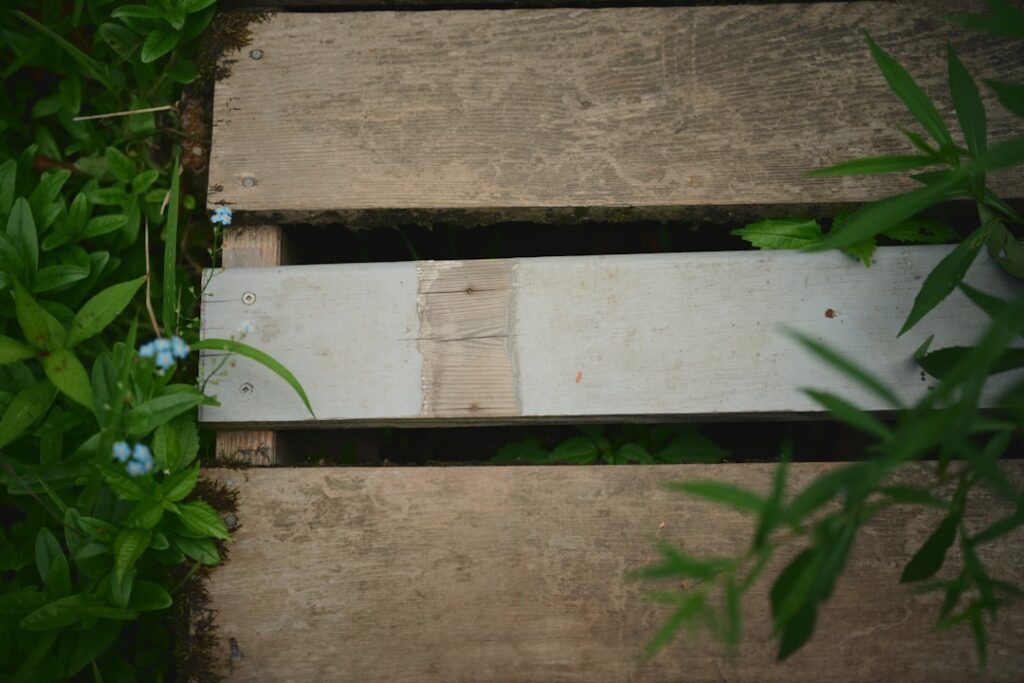
Start at one end and begin placing your boards. You can lay them end-to-end for a continuous look or create a staggered pattern. Ensure each board is level and firmly seated in the sand. Use a rubber mallet to gently tap them into place if needed. Leave a small gap (about 1/2 inch) between boards for drainage and to allow for natural expansion and contraction of the wood.
-
Fill the Gaps
Once all your boards are laid, fill the gaps between and around the edges with additional sand, fine gravel, or even wood chips. This helps to lock the boards in place and gives the path a finished look. Brush away any excess.
Beyond the Path: Creating an Educational and Thriving Border
Now that your charming path is in place, it’s time to bring it to life! This is where you can truly connect with the themes of ‘Herbs,’ ‘Roots,’ and ‘Seeds,’ turning your pathway into an ‘Educational Path’ and a sensory delight.
Planting for Beauty and Purpose
- Herbs: Line your path with fragrant herbs like thyme, creeping rosemary, or chamomile. As you brush past them, they release their wonderful scents, creating an immersive experience. Plus, many herbs are low-growing and tolerate foot traffic well.
- Pollinator Attractors: Choose flowers that attract bees and butterflies, turning your path into a mini-wildlife corridor. Salvia, lavender, coneflowers, and phlox are beautiful choices that thrive in many US zones.
- Edible Borders: Consider planting low-growing edibles like strawberries or alpine strawberries along the edges. Imagine plucking a sweet treat as you stroll!
An Educational Journey
Make your path a learning experience! Use plant markers, just like the ‘Salvia’ marker, to identify different species. Talk about their origins, their benefits, or their preferred growing conditions. If you have children, this is a fantastic way to teach them about botany and nature. You can even sow ‘Seeds’ of different annuals each year, observing their journey from tiny sprout to full bloom.
Think about the ‘Roots’ – not just the physical roots of your plants anchoring them in the soil, but also the metaphorical roots connecting you to your garden, to sustainable practices, and to a deeper appreciation for the natural world around us.
Caring for Your Repurposed Pathway and Plant Companions
Your new path, while built from resilient materials, will still appreciate a little care. Regularly sweep off leaves and debris to prevent slippery surfaces and moisture buildup on the wood. Inspect the boards periodically for any signs of loosening or rot and address them promptly. For your plants, ensure they receive appropriate water, sunlight, and occasional feeding based on their specific needs. Pruning spent blooms will encourage more flowering and keep your path looking tidy.
A Path to Personal Serenity
Creating a garden path from repurposed boards is more than just a DIY project; it’s an act of love for your garden and the planet. It’s about seeing potential where others see waste, fostering creativity, and building something with your own hands that brings daily joy. As you walk along your unique pathway, you’ll not only appreciate the beauty you’ve created but also the deep connection to nature and the satisfaction of a truly sustainable practice.
What creative repurposing projects have you tackled in your garden? We’d love to hear your stories and see your inspirations! Share your ideas in the comments below.