Persistent coughs, seasonal respiratory discomfort, or even nagging skin irritations often send us searching for complex solutions. What if a potent, traditional remedy could be found right under your nose, in a plant most people dismiss as a common weed? Most people never realize this works because they overlook the unassuming power hidden within its milky sap and leaves. This guide reveals how to tap into the benefits of a plant known across many cultures as the ‘asthma plant’ or garden spurge, offering practical steps to prepare and use it effectively.
This is not about some exotic, hard-to-find herb. We’re talking about Euphorbia hirta, a plant that truly lives up to its name of being ‘found everywhere.’ Despite its ubiquity, its potential as a traditional remedy is often missed.
What is Euphorbia hirta?
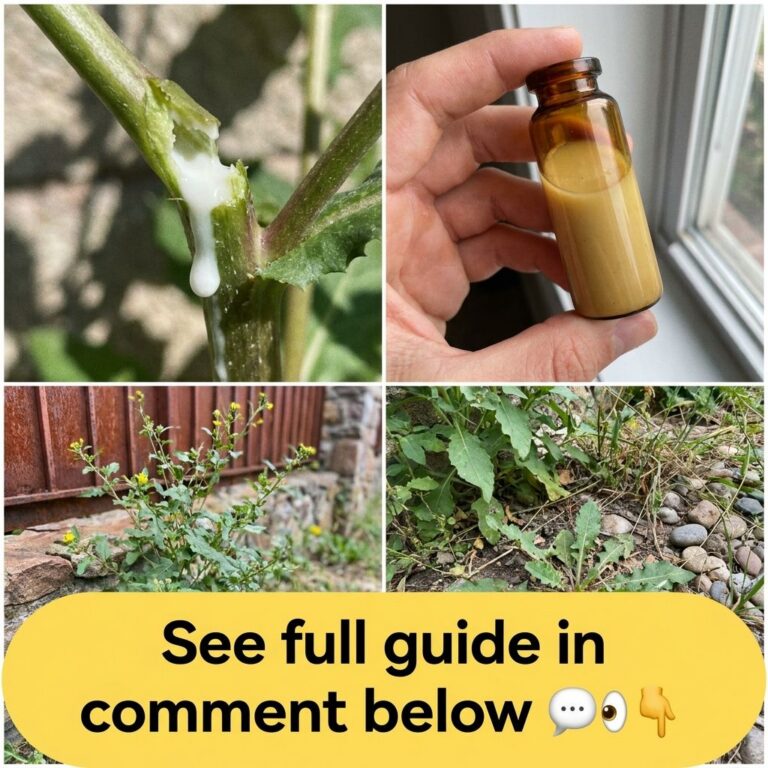
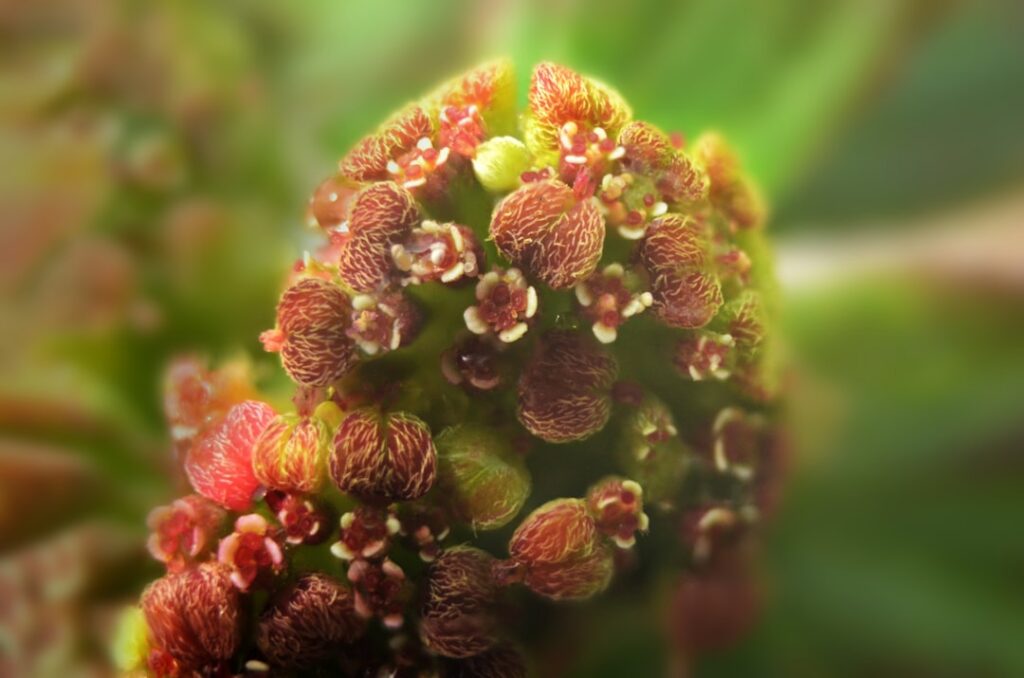
Euphorbia hirta, commonly known as Garden Spurge, Asthma Plant, or even Hairy Spurge, is a pantropical weed native to India but found in warm climates worldwide. It’s recognizable by its reddish-green stems, opposing leaves, and clusters of tiny, almost inconspicuous flowers. The distinguishing feature, and the focus of our remedy, is the milky white latex (sap) that oozes when the stem or leaves are broken. This sap, along with the entire aerial part of the plant, has been used in traditional medicine for centuries, particularly for respiratory ailments, digestive issues, and various skin conditions.
Ingredients for Your Remedy
The beauty of this remedy lies in its simplicity. You’ll primarily need the plant itself.
- Fresh or Dried Euphorbia hirta Plant: Leaves, stems, and flowers (the whole aerial part).
- Clean Water: For preparing decoctions or washes.
Approximate Measurements
For a standard decoction (tea) for internal use:
- Fresh Plant Material: Approximately 20-30 grams (about a handful) of the whole aerial plant.
- Dried Plant Material: Approximately 5-10 grams (about 1-2 tablespoons) of dried, chopped plant.
- Water: 500 ml (2 cups).
Formula / Recipe: Euphorbia hirta Decoction
This decoction is the most common and versatile way to utilize the plant’s benefits internally.
Step-by-Step Method
- Harvest & Clean: Carefully harvest the desired amount of Euphorbia hirta. Ensure it’s from an area free from pesticides or pollution. Wash the plant thoroughly under running water to remove any dirt, insects, or debris.
- Chop: Roughly chop the fresh plant material into smaller pieces (1-2 inches) or measure your dried material.
- Combine: Place the chopped plant material into a non-reactive pot (stainless steel or glass). Add 500 ml of clean water.
- Boil & Simmer: Bring the water to a boil over medium heat. Once boiling, reduce the heat to low and let it gently simmer.
- Decoction Time: Allow the mixture to simmer for 15-20 minutes for fresh plant material, or 10-15 minutes for dried material. This process extracts the beneficial compounds.
- Strain: Remove the pot from the heat and let it cool slightly. Strain the liquid through a fine-mesh sieve or cheesecloth into a clean cup or jar, discarding the plant material.
- Serve: Your Euphorbia hirta decoction is now ready.
How to Use & Best Time to Take
The usage depends on the condition you’re addressing.
- For Respiratory Support (e.g., coughs, bronchitis): Drink 1/2 cup of the warm decoction, 2-3 times a day. Best taken between meals to allow for better absorption.
- For Digestive Aid (e.g., mild diarrhea): Drink 1/2 cup of the decoction, 2 times a day, particularly after bowel movements.
- For Topical Application (e.g., skin irritations, minor wounds): Once cooled, the strained decoction can be used as a wash or compress. Soak a clean cloth in the liquid and apply it to the affected area for 15-20 minutes, 2-3 times daily.
Quick Tip: While the milky sap has traditional uses for warts, direct application can be irritating. Always dilute and patch test if considering using sap topically, or better yet, stick to the decoction for washes.
Why It Works (Science Insight)
Euphorbia hirta is rich in a variety of bioactive compounds, including flavonoids (like quercetin and myricitrin), triterpenes, tannins, and phenolic acids. These compounds collectively contribute to its traditional uses. For instance, flavonoids and phenolic acids are known for their anti-inflammatory and antioxidant properties, which can help soothe irritated airways and reduce systemic inflammation. Some constituents exhibit antispasmodic effects, which may explain its traditional use for asthma by relaxing bronchial muscles. Its antimicrobial properties also support its use against certain infections and for wound healing when applied topically.
Who Benefits Most?
This remedy is particularly beneficial for individuals experiencing:
- Occasional coughs, mild bronchitis, or seasonal respiratory discomfort.
- Mild, non-chronic digestive upsets like diarrhea.
- Minor skin irritations, small cuts, or inflammatory skin conditions (used topically).
It’s a great option for those seeking natural, easily accessible remedies for common, non-severe ailments.
How to Buy / How to Choose Ingredients
The most authentic way is often to forage for Euphorbia hirta yourself, as it’s a common ‘weed’ in many tropical and subtropical areas. However, proper identification is crucial.
- Foraging: Look for it in undisturbed areas, away from roadsides, industrial zones, or agricultural fields where pesticides might be used. Identify the plant by its characteristic reddish-green stems, hairy leaves, and milky white sap when broken. Always be 100% certain of identification before using any wild plant.
- Buying: If foraging isn’t an option, you might find dried Euphorbia hirta through specialized herbal suppliers or online. Ensure the source is reputable, and the product is organic and free from contaminants.
Storage
- Fresh Plant: Use immediately after harvesting for best potency. If you must store it briefly, wrap it in a damp paper towel and place it in a plastic bag in the refrigerator for up to 2-3 days.
- Dried Plant Material: Once thoroughly dried (ensure no moisture remains to prevent mold), store the chopped plant in an airtight container in a cool, dark place. It can last for 6-12 months.
- Prepared Decoction: Store any leftover decoction in a sealed container in the refrigerator for up to 24-48 hours. Discard if it develops an off-smell or appearance.
Practical Tips
- Harvesting: Harvest the plant in the morning after the dew has dried, when its active compounds are often at their peak.
- Drying: To dry, spread the cleaned plant material in a single layer on a clean screen or cloth in a well-ventilated, shady area. Turn daily until completely brittle.
- Taste: The decoction can be slightly bitter. You may add a touch of honey or lemon to improve the flavor if desired, especially for internal use.
Common Mistakes
- Misidentification: Using the wrong plant can be ineffective at best, harmful at worst. Always double-check your identification with a reliable guide.
- Using Sprayed Plants: Harvesting from areas treated with herbicides or pesticides introduces harmful chemicals into your remedy.
- Boiling Too Vigorously or Too Long: While a decoction requires simmering, extreme boiling or excessively long simmering can degrade some delicate compounds.
- Applying Raw Sap Directly to Sensitive Skin: While some traditions use raw sap for specific conditions, it can be a strong irritant for many. Dilution or using the decoction is safer for general skin application.
- Overdosing: More is not always better. Stick to recommended dosages to avoid potential side effects.
| Feature | Fresh Euphorbia hirta | Dried Euphorbia hirta |
|---|---|---|
| Preparation | Stronger flavor, quicker extraction, more immediate use. | Milder flavor, needs rehydration, slower extraction. |
| Potency | Potentially higher concentration of volatile compounds. | Stable concentration, easier to measure. |
| Shelf Life | 2-3 days refrigerated. | 6-12 months in airtight container. |
| Availability | Seasonal, requires foraging. | Year-round, can be purchased. |
| Best Use For | Immediate relief for acute conditions. | Consistent, long-term remedy preparation. |
Cautions / Who Should Avoid It
- Pregnancy & Breastfeeding: There is insufficient safety data; pregnant and breastfeeding women should avoid using Euphorbia hirta.
- Children: Use with caution and in reduced dosages under professional guidance.
- Allergies: Individuals with known allergies to plants in the Euphorbiaceae family should avoid this remedy.
- Drug Interactions: If you are on prescription medication, especially for heart conditions, blood thinning, or diabetes, consult a healthcare professional before use.
- Sap Irritation: The milky sap can cause skin irritation or allergic reactions in sensitive individuals. Avoid contact with eyes.
Quick Summary
Euphorbia hirta, or Garden Spurge, is a widely available plant offering traditional remedy benefits, particularly for respiratory and digestive support. Best prepared as a decoction using either fresh or dried material. Store dried plant in an airtight container for longevity, and refrigerate prepared tea for up to 48 hours. Avoid misidentification, using sprayed plants, and direct application of raw sap to sensitive skin. Pregnant/nursing individuals and those on medication should consult a doctor before use.
FAQ
- Can I use fresh or dried Euphorbia hirta? You can use both! Fresh tends to have a stronger flavor, while dried is convenient for storage.
- How long does the prepared decoction last? The decoction can be stored in the refrigerator for up to 24-48 hours.
- Can I freeze the plant material or decoction? You can dry the plant material for long-term storage. Freezing the decoction is not typically recommended as it can affect its quality and taste.
- How often should I use the decoction? For most conditions, 2-3 times a day is common, but always listen to your body and start with a lower frequency.
- What part of the plant is best to use? The entire aerial part of the plant (leaves, stems, flowers) is generally used for decoctions.
- When should I avoid using Euphorbia hirta? Avoid if pregnant, breastfeeding, allergic to Euphorbia species, or on certain medications. Consult a doctor if unsure.
- Can I reuse the plant material after brewing? It’s generally not recommended, as most of the beneficial compounds would have been extracted in the first brew.
- Is the milky sap safe? While traditionally used topically for some specific issues like warts, the raw sap can be irritating to sensitive skin and should not be ingested.
Ready to explore another natural solution? Read more about the power of herbal teas for digestion.
You may also like: our full guide on natural anti-inflammatory remedies.
Conclusion
The humble Euphorbia hirta, often overlooked, holds a surprising place in traditional wellness. By understanding its proper preparation and cautious use, you can harness the benefits of this ubiquitous plant. Remember to prioritize safety, proper identification, and consulting healthcare professionals if you have underlying conditions or are on medication. Nature offers many simple remedies, and sometimes, the most valuable ones are those growing freely around us.