Discover Your Daily Dose of Vitamin B1!
Feeling sluggish or looking for ways to support your nervous system? Vitamin B1, also known as Thiamine, is a vital nutrient that plays a crucial role in our overall well-being. It’s an essential part of your body’s energy production and nerve function, making it a key player in how you feel day-to-day.
At Wellness Daily, we believe in empowering you with knowledge about essential nutrients. Let’s explore why Vitamin B1 is so important and how you can easily incorporate more of it into your diet.
Why is Vitamin B1 (Thiamine) So Important?
Vitamin B1 is a water-soluble vitamin, which means your body doesn’t store it in large amounts and you need a regular intake through your diet. Its primary functions are truly foundational to good health:
- Energy Production: Thiamine helps convert carbohydrates from the food you eat into glucose, which is your body’s preferred source of energy. This process is essential for fueling your brain, muscles, and other organs.
- Nervous System Support: It plays a critical role in nerve impulse transmission and the maintenance of a healthy nervous system. Adequate thiamine levels are associated with proper brain function and nerve health.
- Heart Health: While research is ongoing, Vitamin B1 is thought to support cardiovascular function.
- Metabolism: It’s involved in various metabolic processes that ensure your body runs smoothly.
Without sufficient Vitamin B1, you might experience symptoms like fatigue, irritability, and even nerve issues. Fortunately, many delicious foods are packed with this important nutrient!
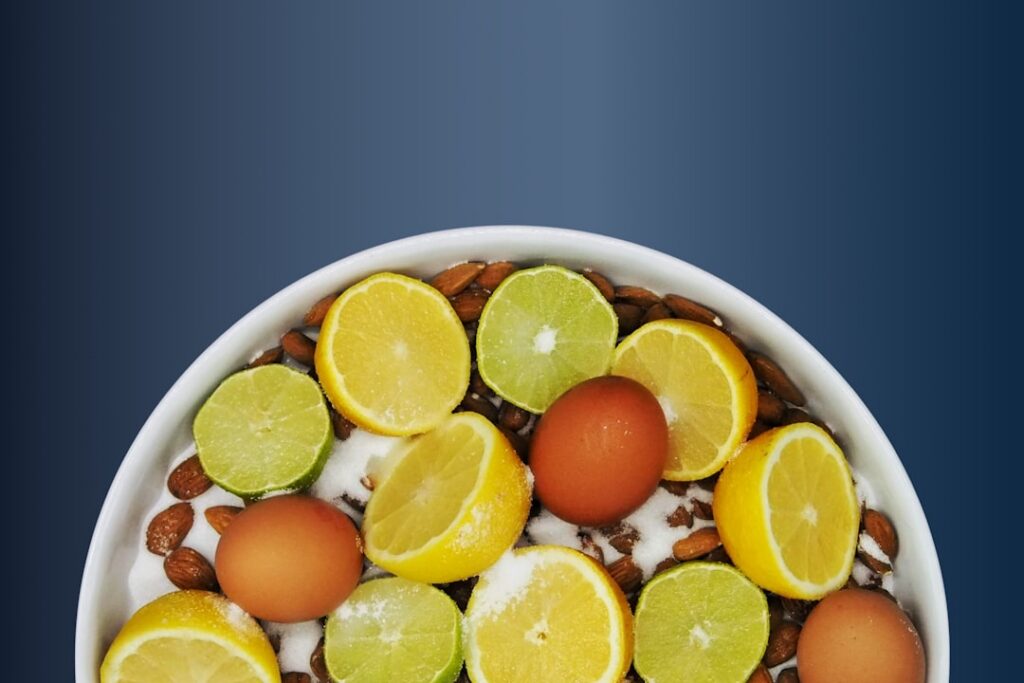
Delicious Sources of Vitamin B1
Whether you follow a plant-based diet or enjoy animal products, there are plenty of options to boost your thiamine intake. Here are some top sources:
Plant-Based Powerhouses
- Whole Grains: Foods like brown rice, oats, whole wheat bread, and whole grain pasta are excellent sources of thiamine.
- Legumes: Black beans, lentils, chickpeas, and soybeans are not only rich in protein but also provide a good amount of Vitamin B1.
- Nuts and Seeds: Sunflower seeds, macadamia nuts, and pistachios are particularly high in thiamine.
- Certain Vegetables: Asparagus, peas, spinach, and Brussels sprouts can contribute to your daily thiamine needs.
- Fortified Foods: Many breakfast cereals and some breads are fortified with thiamine and other B vitamins.
Animal Sources
- Pork: Lean cuts of pork are one of the richest sources of Vitamin B1.
- Fish: Salmon, tuna, and cod contain good amounts of thiamine.
- Beef Liver: Organ meats like liver are highly nutritious and provide ample Vitamin B1.
- Eggs: A versatile and readily available source of thiamine.
Incorporating Thiamine-Rich Foods into Your Meals
Adding more Vitamin B1 to your diet can be both easy and delicious. Here are some practical tips:
- Start Your Day Right: Choose whole-grain oatmeal or a fortified cereal for breakfast. Add some sunflower seeds for an extra boost.
- Snack Smart: Grab a handful of nuts or seeds as a nutritious snack.
- Power Up Your Lunch: Include lentils or black beans in your salads, soups, or wraps. Opt for whole-wheat bread for sandwiches.
- Dinner Delights: Incorporate pork loin, salmon, or lean beef into your dinner rotation. Serve with a side of asparagus or peas.
- Experiment with Recipes: Look for recipes that feature thiamine-rich ingredients like hearty stews with legumes or whole-grain pasta dishes.
A Word of Caution
While Vitamin B1 is crucial, remember that a balanced diet is key to getting all the nutrients your body needs. Always aim for a variety of foods. If you have concerns about your nutrient intake or health, it’s always best to consult with a healthcare professional or a registered dietitian. This information is for educational purposes only and should not replace professional medical advice.
Boost Your Wellness Journey!
Embracing a diet rich in Vitamin B1 can be a simple yet effective step towards supporting your energy levels and nerve health. Which of these thiamine-packed delights will you add to your next meal? Share your favorite ways to incorporate Vitamin B1 into your diet below!