Fresh vs. Dried: The Grape Showdown!
Have you ever wondered about the nutritional differences between a plump, juicy fresh grape and its crinkled, sweet counterpart, the raisin? It’s a common question, especially when you’re trying to make informed choices for your healthy lifestyle. While both come from the same fruit, the drying process transforms grapes in significant ways, concentrating some nutrients while altering others.
Today, we’re diving into the delicious debate of fresh grapes versus dried raisins to help you understand their unique benefits and how to best incorporate them into your diet. Let’s break down the key stats and discover what makes each of these fruit forms a valuable part of your wellness journey!
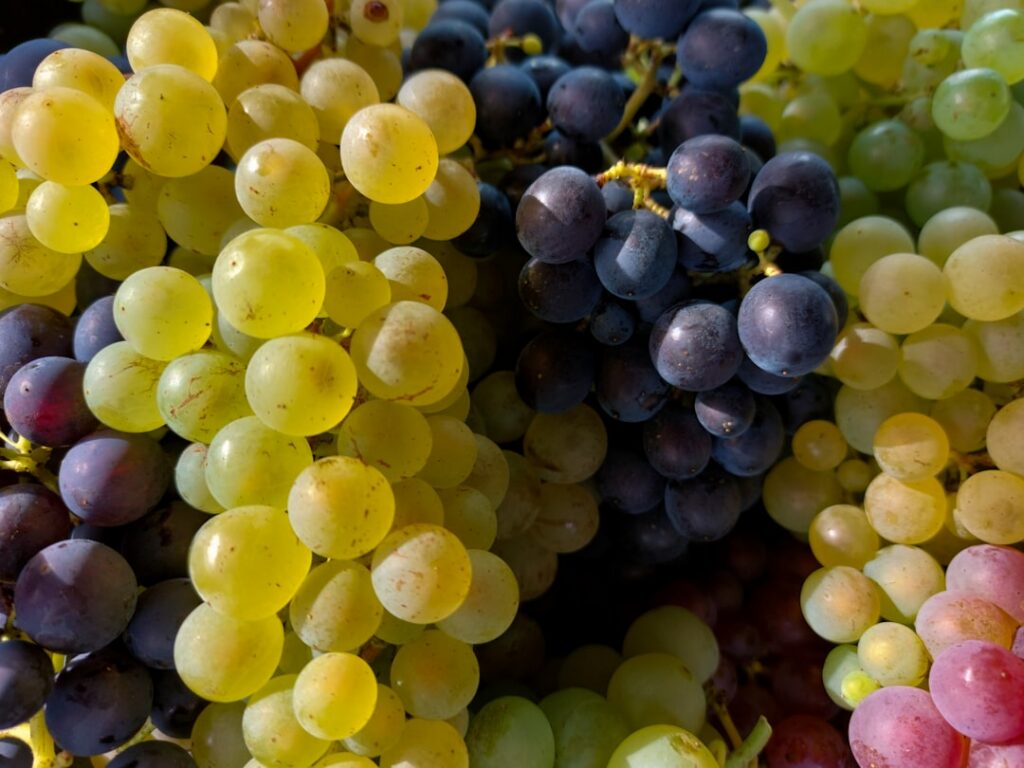
The Nutritional Snapshot: Grapes vs. Raisins
The main difference between fresh grapes and raisins lies in their water content. Grapes are about 82% water, while raisins have had most of their water removed through drying. This process significantly concentrates their nutrients, making raisins a nutrient-dense food, but also higher in calories and sugar per serving weight.
Calorie and Sugar Content
Because the water is removed, raisins pack a more concentrated punch of calories and natural sugars per 100 grams compared to fresh grapes. This concentration makes raisins an excellent source of quick energy, but it also means portion control is key. A small handful of raisins can provide the same amount of natural sugars as a larger serving of fresh grapes.
- Fresh Grapes: Lower in calories and sugar per serving, making them a great choice for hydration and a lighter snack.
- Raisins: Higher in concentrated natural sugars, providing a quick energy boost. Ideal for athletes or those needing a fast source of fuel.
Fiber Power
One of the impressive benefits of raisins is their significantly higher fiber content per serving. Fiber is crucial for digestive health, helping to maintain regularity and contributing to feelings of fullness, which may support weight management. While fresh grapes contain fiber, the drying process concentrates it in raisins.
For example, 100g of raisins typically contains more dietary fiber than 100g of fresh grapes, which can be beneficial for supporting your daily fiber intake.
Vitamins, Minerals, and Antioxidants
Both fresh grapes and raisins are rich in antioxidants, particularly polyphenols, which may help protect your body’s cells from damage. The drying process tends to concentrate these beneficial compounds in raisins.
- Potassium: Raisins are an excellent source of potassium, a mineral vital for maintaining healthy blood pressure and fluid balance.
- Iron: Dried fruits like raisins are a good source of non-heme iron, which is important for energy and preventing iron deficiency.
- B Vitamins: Both forms contain B vitamins, which play a role in energy metabolism.
- Vitamin C: While fresh grapes are a good source of Vitamin C, some of this water-soluble vitamin can be diminished during the drying process. However, other nutrients become more concentrated.
When to Choose Which?
Understanding the nutritional differences helps you decide which grape form best suits your needs and preferences at different times.
Choose Fresh Grapes For:
- Hydration: Their high water content makes them incredibly refreshing and contributes to your daily fluid intake.
- Lower Calorie Density: You can eat a larger volume of fresh grapes for fewer calories, making them a satisfying snack.
- Light & Refreshing Snack: Perfect for a hot day or when you crave something crisp and juicy.
Choose Raisins For:
- Quick Energy Boost: Their concentrated sugars make them an ideal pre-workout snack or a convenient energy source during long activities.
- Portability: Easy to carry and store, making them a great on-the-go snack.
- Fiber & Mineral Boost: A small serving can significantly contribute to your daily fiber, potassium, and iron intake.
- Adding Sweetness & Texture: They add a natural sweetness and chewiness to oatmeal, salads, yogurt, and baked goods.
Practical Tips for Enjoying Both
The good news is that both fresh grapes and raisins can be part of a healthy, balanced diet. Here are some practical tips:
- Portion Control for Raisins: Due to their concentrated sugar and calorie content, enjoy raisins in moderation. A small box or about a quarter cup is a good serving size.
- Combine with Protein/Fat: Pair raisins with nuts, seeds, or cheese to slow down sugar absorption and keep you feeling fuller longer.
- Hydrate with Fresh Grapes: Keep a bowl of washed grapes in the fridge for an easy, hydrating snack.
- Incorporate into Meals: Add fresh grapes to fruit salads, green salads, or as a side with lunch. Sprinkle raisins over your morning oatmeal, into yogurt, or even in savory dishes for a touch of sweetness.
The Verdict: Both Are Winners!
Ultimately, there’s no single