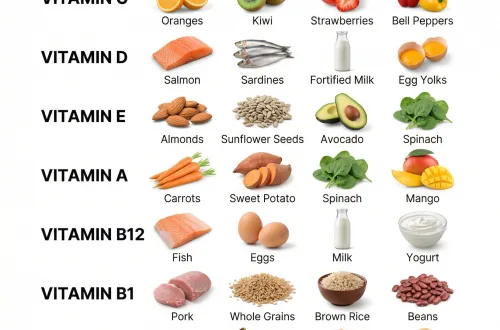
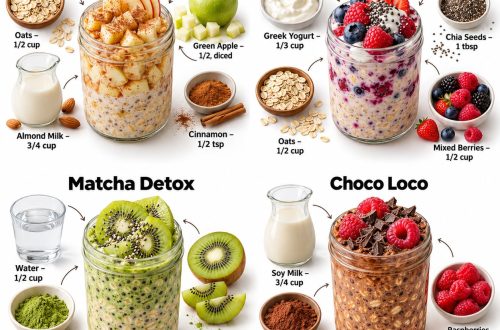
In our journey towards optimal health, the choices we make daily, especially regarding our diet, play a profound role. While no single food can guarantee protection against complex health challenges, a diet rich in diverse, nutrient-dense foods can significantly support our body’s natural defenses, promote cellular health, and contribute to overall well-being. This article explores some everyday foods celebrated for their beneficial compounds and how they may contribute to a robust, healthy lifestyle.
The concept of ‘eating for health’ is rooted in centuries of traditional knowledge and increasingly supported by modern scientific research. It emphasizes integrating whole, unprocessed foods into our daily meals, harnessing their natural array of vitamins, minerals, antioxidants, and phytonutrients. These powerful compounds work synergistically to support various bodily functions, from immune response to cellular repair.
A colorful array of nourishing foods, rich in antioxidants and vital nutrients.
The Power of Phytonutrients: Beyond Vitamins and Minerals
Phytonutrients are natural compounds found in plants that give them their vibrant colors, distinctive flavors, and often, their protective qualities. While not essential for survival in the way vitamins and minerals are, these compounds are increasingly recognized for their potential health benefits, including antioxidant and anti-inflammatory effects. Incorporating a rainbow of plant-based foods ensures a wide spectrum of these beneficial compounds.
Key Foods for Cellular Support and Wellness
Let’s delve into some specific foods that have garnered attention for their rich nutritional profiles:
1. Blueberries: Antioxidant Powerhouses
- What makes them special: Blueberries are celebrated for their high concentration of anthocyanins, a type of flavonoid that gives them their deep blue hue. These compounds are potent antioxidants.
- How they may help: Antioxidants like anthocyanins help neutralize free radicals in the body, which can cause oxidative stress and cellular damage. Regular consumption of antioxidant-rich foods like blueberries may support long-term cellular health and cognitive function.
2. Broccoli: The Cruciferous Champion
- What makes it special: As a member of the cruciferous family, broccoli is packed with vitamins C and K, fiber, and unique sulfur-containing compounds called glucosinolates. When chewed or chopped, these convert into biologically active compounds like sulforaphane.
- How it may help: Sulforaphane has been extensively studied for its potential role in supporting the body’s natural detoxification pathways and promoting healthy cell cycles. Incorporating broccoli into your diet may contribute to overall cellular wellness.
3. Tomatoes: Rich in Lycopene
- What makes them special: Tomatoes get their vibrant red color from lycopene, a powerful carotenoid antioxidant. Lycopene is particularly well-absorbed by the body when tomatoes are cooked, such as in sauces or pastes.
- How they may help: Lycopene’s antioxidant properties are believed to support cellular health, particularly in various tissues throughout the body. Regular intake of lycopene-rich foods may contribute to maintaining overall health.
4. Garlic: A Flavorful Ally
- What makes it special: For centuries, garlic has been valued for both its culinary uses and its health-supporting properties. Its characteristic pungent flavor and aroma come from sulfur compounds, particularly allicin, which is formed when garlic is crushed or chopped.
- How it may help: Allicin and other sulfur compounds in garlic have been traditionally recognized for their potential to support cardiovascular health and boost the immune system. They may also exhibit anti-inflammatory properties, contributing to overall well-being.
5. Turmeric: The Golden Spice
- What makes it special: Turmeric, a bright yellow-orange spice common in Indian cuisine, contains curcumin, its primary active compound. Curcumin is responsible for much of turmeric’s vibrant color and its extensively researched benefits.
- How it may help: Curcumin has been widely studied for its powerful anti-inflammatory and antioxidant properties. While its bioavailability can be low, combining it with black pepper (which contains piperine) can significantly enhance its absorption. Regular consumption of turmeric may help manage inflammation and support overall cellular health.
Integrating These Foods into Your Diet
Adding these beneficial foods to your diet doesn’t have to be complicated. Here are a few simple ideas:
- Smoothies: Blend blueberries into your morning smoothie.
- Salads: Add raw broccoli florets or roasted broccoli to your salads.
- Sauces: Use cooked tomatoes in pasta sauces, soups, and stews.
- Flavor Enhancer: Incorporate fresh garlic into nearly any savory dish.
- Spices: Add turmeric to curries, soups, scrambled eggs, or even a ‘golden milk’ latte.
Remember, variety is key. A balanced diet that includes a wide range of fruits, vegetables, whole grains, and lean proteins is the most effective way to support your body’s health.
Beyond the Plate: A Holistic Approach to Wellness
While diet is a cornerstone of health, it’s part of a larger picture. A truly healthy lifestyle also encompasses regular physical activity, adequate sleep, stress management, and maintaining strong social connections. These elements work together to create an environment where your body can thrive and maintain its natural resilience.
Conclusion
The foods we choose can be powerful allies in our pursuit of health and vitality. By focusing on nutrient-rich options like blueberries, broccoli, tomatoes, garlic, and turmeric, we can provide our bodies with essential compounds that support cellular health, manage inflammation, and contribute to overall well-being. Embrace the joy of eating wholesome foods and discover how small dietary choices can lead to significant health benefits on your wellness journey. Always consult with a healthcare professional for personalized dietary advice, especially concerning specific health conditions.