Sculpt and Strengthen: A Comprehensive Guide to Upper Body Workouts
Building a strong upper body is about more than just aesthetics; it’s about functional strength, improving posture, and enhancing your overall physical well-being. Whether you’re aiming to tone your arms, strengthen your back, or simply feel more capable in your daily life, focusing on specific upper body exercises can make a significant difference. In this guide, we’ll explore key movements that can help you build strength and definition.
Remember, consistency is key, and while you may start to feel stronger and see initial improvements relatively quickly, true and lasting changes come with dedicated effort over time. Always listen to your body and consult with a healthcare professional or certified fitness trainer before starting any new workout regimen, especially if you have underlying health conditions.
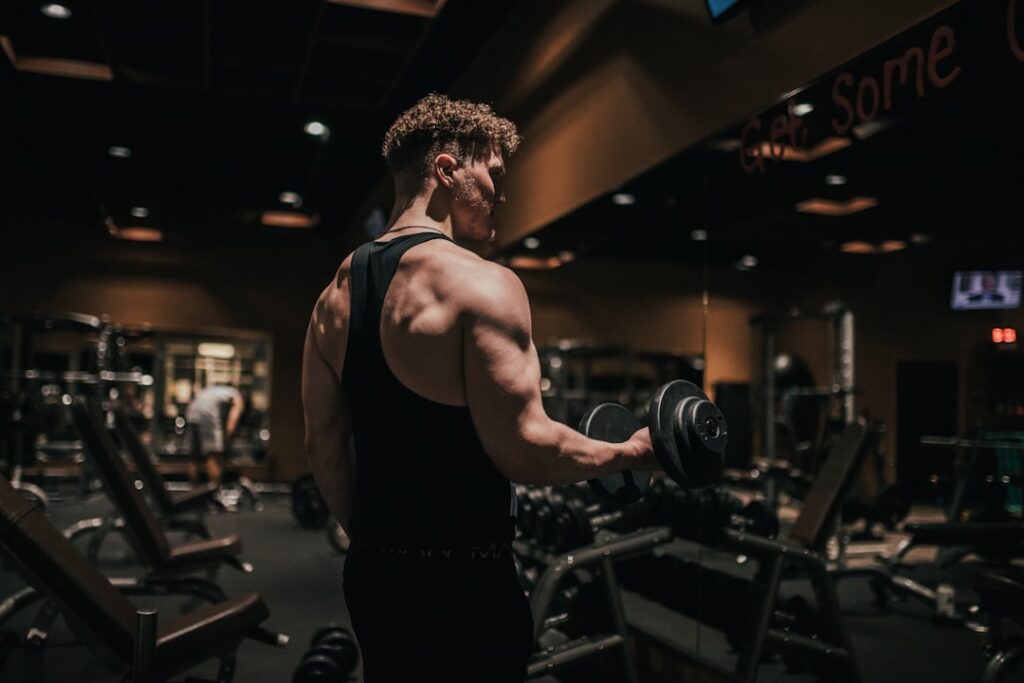 Target your rear deltoids for improved shoulder health and definition.
Understanding Your Upper Body Muscles
Your upper body is a complex network of muscles that includes your chest, back, shoulders, and arms. Each plays a crucial role in movement and stability:
- Chest (Pectorals): Responsible for pushing movements and bringing your arms across your body.
- Back (Lats, Rhomboids, Trapezius): Essential for pulling movements, posture, and spinal stability.
- Shoulders (Deltoids): Cover your shoulder joint, enabling arm elevation and rotation.
- Arms (Biceps, Triceps): Biceps are for pulling and flexing the elbow, while triceps are for pushing and extending the elbow.
Key Exercises for a Stronger Upper Body
Here are four highly effective exercises that target various upper body muscle groups, helping you build a balanced and strong physique.
1. Dumbbell Rear Delt Fly
The rear deltoids, often overlooked, are vital for shoulder health and stability. Strengthening them can also contribute to a more defined look across your upper back and shoulders, helping to address concerns around the ‘bra bulge’ area by improving overall back muscle tone.
How to Perform:
- Hold a dumbbell in each hand, palms facing each other.
- Hinge forward at your hips, keeping your back straight and a slight bend in your knees. Your torso should be almost parallel to the floor, and your arms hanging straight down.
- With a slight bend in your elbows, raise the dumbbells out to the sides, squeezing your shoulder blades together at the top. Imagine you’re trying to pinch a pencil between your shoulder blades.
- Slowly lower the dumbbells back to the starting position with control.
2. Incline Push-Ups
Incline push-ups are an excellent modification for traditional push-ups, making them accessible while still effectively working your chest, shoulders, and triceps. This exercise builds foundational strength that can help with chest and arm definition.
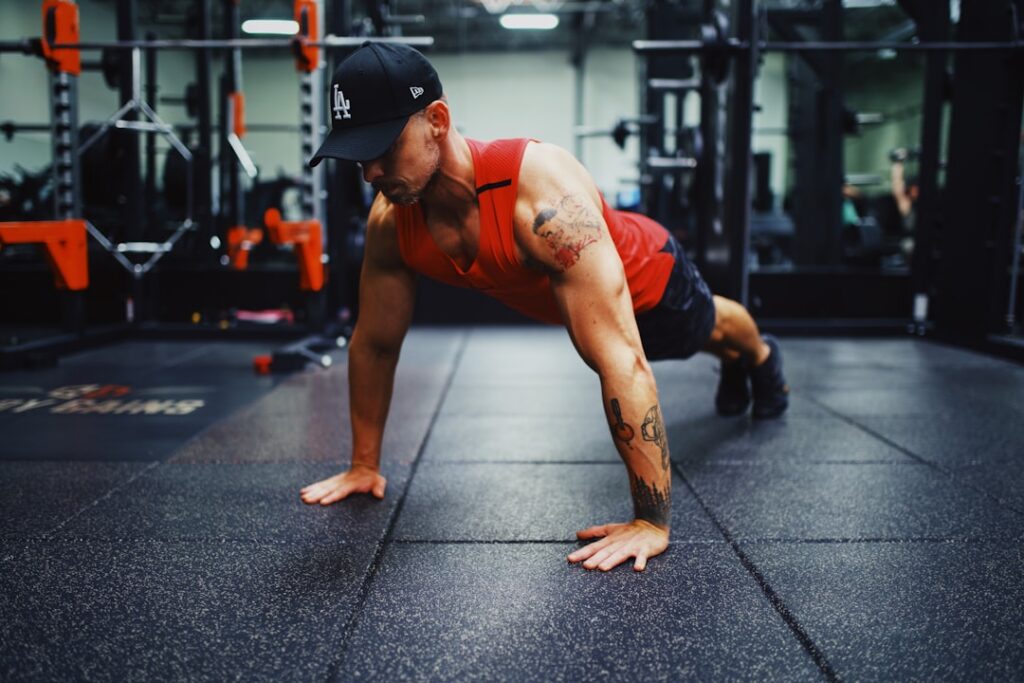 Modify your push-ups for effective chest and arm engagement.
How to Perform:
- Stand facing a sturdy elevated surface (like a bench, sturdy chair, or countertop). Place your hands slightly wider than shoulder-width apart on the surface.
- Step your feet back until your body forms a straight line from your head to your heels.
- Lower your chest towards the surface by bending your elbows, keeping them tucked slightly towards your body.
- Push back up to the starting position, extending your arms fully.
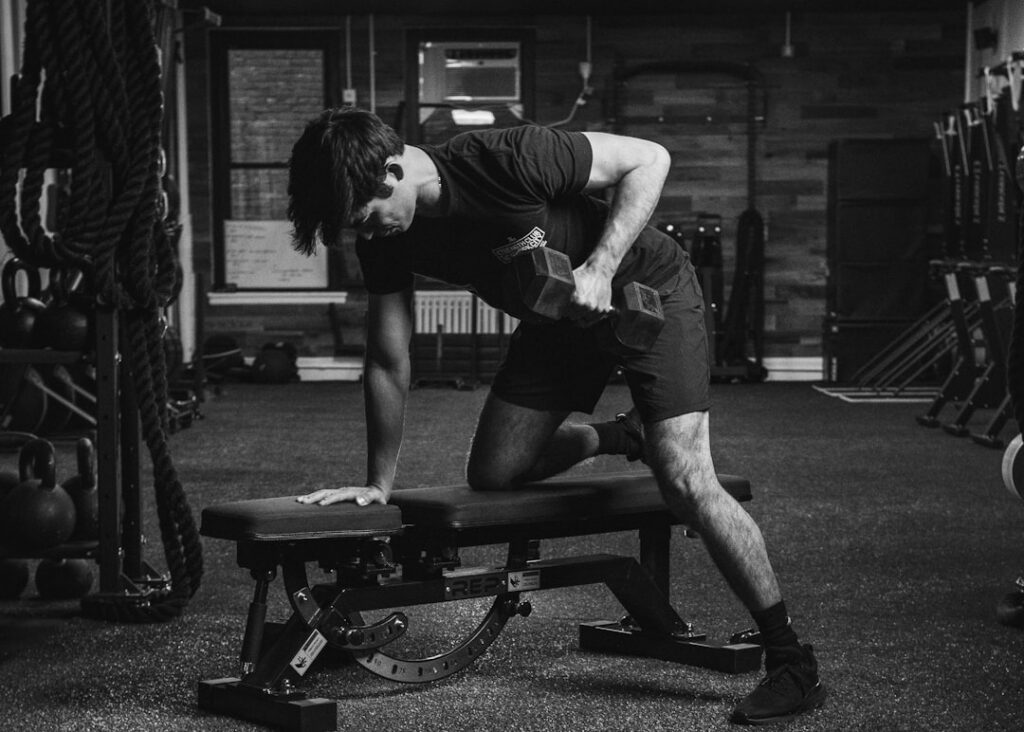
3. Single-Arm Dumbbell Rows
This exercise is fantastic for working your lats (the large muscles in your back), rhomboids, and biceps. It also helps improve core stability and addresses muscular imbalances since each side works independently. Strengthening your back muscles can significantly improve posture and contribute to a more toned back.
How to Perform:
- Place one knee and one hand on a sturdy bench or chair, with your back straight and parallel to the floor. Hold a dumbbell in the opposite hand, letting it hang straight down towards the floor, palm facing your body.
- Keeping your core tight and back flat, pull the dumbbell up towards your chest by squeezing your shoulder blade. Your elbow should point towards the ceiling.
- Lower the dumbbell slowly and with control back to the starting position.
- Complete all repetitions on one side before switching to the other.
4. Overhead Triceps Press (Dumbbell)
The triceps are crucial for arm definition and are responsible for extending your elbow. This exercise effectively targets all three heads of the triceps, contributing to stronger, more toned arms.
 Target your triceps for defined and strong arms.
How to Perform:
- Sit or stand tall, holding one dumbbell with both hands, gripping one end of the dumbbell.
- Extend your arms straight up overhead, fully extending your elbows.
- Slowly bend your elbows, lowering the dumbbell behind your head, keeping your elbows relatively close to your ears.
- Extend your arms back up to the starting position, squeezing your triceps at the top.
Creating Your Upper Body Routine
To incorporate these exercises into a routine, aim for 2-3 sets of 8-12 repetitions for each exercise, 2-3 times per week, allowing for rest days in between. As you get stronger, you can gradually increase the weight of your dumbbells or the number of repetitions.
Important Considerations:
- Proper Form: Always prioritize correct form over lifting heavy weights. Incorrect form can lead to injury and reduce the effectiveness of the exercise.
- Progressive Overload: To continue building strength and definition, you need to gradually challenge your muscles. This can mean increasing weight, reps, sets, or decreasing rest time.
- Nutrition & Hydration: Support your workouts with a balanced diet rich in protein for muscle repair and growth, and stay well-hydrated.
- Rest & Recovery: Muscles grow and repair during rest. Ensure you’re getting adequate sleep and allowing your body time to recover.
A Note on Body Image and Wellness
While targeted exercises can help tone specific areas, remember that overall body composition is influenced by many factors, including genetics, diet, and lifestyle. Focusing on overall health and strength rather than solely on isolated areas can lead to more sustainable and positive results. Embrace your fitness journey as a path to a stronger, healthier you.
Disclaimer
The information provided in this article is for general educational purposes only and is not intended as a substitute for professional medical advice, diagnosis, or treatment. Always seek the advice of your physician or other qualified health provider with any questions you may have regarding a medical condition or before embarking on any new fitness or nutrition program.
Conclusion
Incorporating these upper body exercises into your routine can be a fantastic way to build strength, improve muscle tone, and enhance your overall well-being. By focusing on consistency, proper form, and a holistic approach to health, you’re well on your way to achieving a stronger, more confident you. Start today and feel the difference!