Did you know February holds a secret weapon for your garden? As the chill of winter still lingers, this month isn’t just for cozying up indoors; it’s the perfect time to step outside and give some of your favorite plants a good prune. This seemingly simple act is key to setting them up for their most spectacular spring show yet! Think healthier growth, more vibrant blooms, and a stronger, more resilient garden overall.
At Garden – L. Quyên, we believe in nurturing our green spaces with a little foresight and a lot of love. Pruning in February is a perfect example of how a small effort now can lead to magnificent rewards later. From robust roses to fragrant lavender, a little snip at the right time goes a long way in promoting plant health and boosting flower production.
Why February Pruning is a Game Changer
Many gardeners might wonder why February is the ideal month for pruning certain plants. The answer lies in the plant’s dormancy. During winter, most deciduous plants are dormant, meaning their sap isn’t actively flowing, and they’re not expending energy on new growth. This makes it the least stressful time for them to be pruned.
- Promotes Stronger Growth: Removing dead, damaged, or diseased branches encourages the plant to put its energy into healthy new growth when spring arrives.
- Enhances Blooms: For many flowering shrubs, pruning stimulates the development of more flower buds, leading to a more abundant and vibrant display.
- Improves Plant Health: Proper pruning improves air circulation within the plant, reducing the risk of fungal diseases and pest infestations.
- Shapes Your Garden: It’s an excellent opportunity to shape your plants, maintain their size, and ensure they fit beautifully into your garden design.
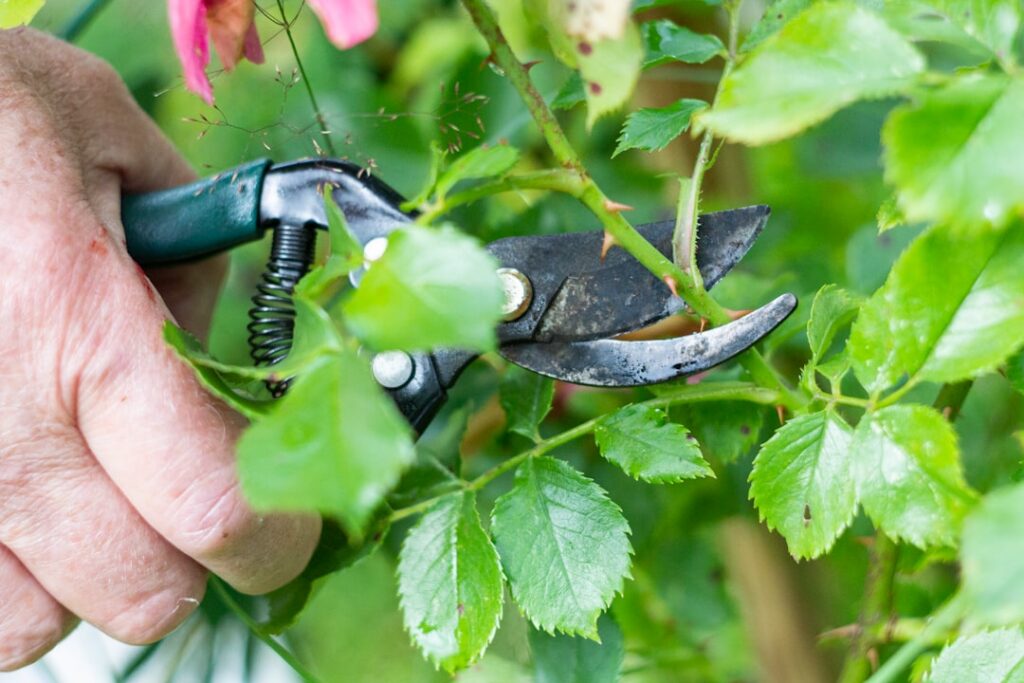
What to Prune in February (and What to Hold Off On)
Knowing what to prune in February is just as important as knowing what not to. Here’s a quick guide:
Plants to Prune in February:
- Roses: Hybrid Teas, Floribundas, Grandifloras, and most climbing roses (after their initial flowering if they are once-blooming climbers). This is crucial for encouraging vigorous new growth and abundant summer blooms.
- Deciduous Shrubs: Many summer-flowering shrubs that bloom on new wood, such as Butterfly Bush (Buddleia), Spirea (late-blooming varieties), and potentilla.
- Fruit Trees: Apples, pears, and other dormant fruit trees can be pruned to improve fruit production and maintain an open structure. Avoid pruning stone fruits (cherries, peaches, plums) in winter as it can make them susceptible to fungal diseases.
- Lavender: Give your lavender plants a good trim to remove spent flower stalks and shape them, encouraging bushy growth and more flowers in spring and summer.
Plants to Avoid Pruning in February:
Avoid pruning spring-flowering shrubs that bloom on old wood, such as Forsythia, Rhododendrons, Azaleas, Lilacs, and Magnolias. Pruning these now would remove the flower buds that have already formed, resulting in fewer or no blooms in spring. Wait until immediately after they finish flowering.
Essential Pruning Tools and Safety Tips
Before you begin, ensure you have the right tools and take safety precautions:
- Sharp Bypass Pruners: For smaller stems (up to 3/4 inch). Sharp blades make clean cuts, which heal faster.
- Loppers: For thicker branches (up to 1 1/2 inches). Their long handles provide leverage.
- Pruning Saw: For branches larger than 1 1/2 inches.
- Gloves: Protect your hands from thorns, sap, and blisters.
- Safety Glasses: Protect your eyes from snapping branches.
Always sterilize your tools with rubbing alcohol or a bleach solution between plants (and especially between different types of plants) to prevent the spread of diseases.
General Pruning Techniques
- Make Clean Cuts: Always use sharp tools to make clean, angled cuts just above a bud or branch union.
- Remove the Three Ds: Prioritize removing any dead, damaged, or diseased branches first.
- Open Up the Center: Aim to create an open structure that allows light and air to penetrate the plant’s interior.
- Step Back and Observe: Periodically step away from the plant to assess its overall shape and balance.
Post-Pruning Care
After pruning, your plants will be ready for a fresh start. Consider adding a layer of compost around the base of the plant to provide a nutrient boost. Ensure they receive adequate water as they begin to break dormancy, especially if February is dry in your region.
Embrace the February Prune!
February pruning is more than just cutting branches; it’s an act of care that sets the stage for a thriving garden. By taking the time now, you’re investing in the health, beauty, and vitality of your plants, ensuring they put on their best display when spring truly arrives.
What plants are you planning to prune this month? Share your February pruning tips and successes with our Garden – L. Quyên community below!