Imagine a garden where your fruit trees flourish, pests are naturally kept at bay, and the soil stays healthy with minimal effort. Sounds like a dream, right? This isn’t just a fantasy; it’s the beautiful reality of companion planting, especially when applied to your beloved fruit trees!
Here at Garden – L. Quyên, we’re all about creating vibrant, sustainable gardens that bring joy without the constant struggle. Companion planting is one of nature’s best-kept secrets, and today, we’re going to unlock its full potential for your fruit tree orchard.
What Exactly is Companion Planting?
At its heart, companion planting is the strategic placement of different plant species close to each other for mutual benefit. It’s like building a friendly neighborhood in your garden, where each resident helps its neighbors thrive. These benefits can range from attracting helpful insects to deterring unwelcome pests, improving soil quality, and even enhancing growth or flavor.
Why Companion Plant with Fruit Trees?
Fruit trees, while magnificent, can sometimes be susceptible to pests and diseases. Companion planting offers a natural, organic solution to many common gardening challenges. Here are some key benefits:
1. Natural Pest Deterrence
Many plants emit strong scents or contain compounds that naturally repel common fruit tree pests. For instance, garlic can deter aphids and borers, while marigolds are known to keep nematodes and other harmful insects away.
2. Attracting Beneficial Insects
Some companion plants act as magnets for beneficial insects, such as ladybugs, hoverflies, and predatory wasps, which feast on harmful pests. Flowers like dill, cilantro, and cosmos provide nectar and pollen, creating a welcoming habitat for these garden allies, and also bringing in essential pollinators for better fruit yields.
3. Improving Soil Health and Nutrient Cycling
Certain plants, particularly legumes, fix nitrogen in the soil, making it available for your fruit trees. Others, like comfrey, are ‘dynamic accumulators’ – they have deep taproots that bring up nutrients from deeper soil layers, making them accessible to shallower-rooted fruit trees. When they decompose, these nutrients are released back into the topsoil.
4. Weed Suppression and Water Retention
Low-growing ground covers or companion plants can act as a living mulch, shading the soil to prevent weed growth and reduce water evaporation. This keeps the soil cooler and more consistently moist, benefiting your fruit tree’s root system.
5. Creating a Balanced Ecosystem
By diversifying your plantings around fruit trees, you create a more resilient and balanced ecosystem. This natural biodiversity helps your garden become more self-sufficient and less reliant on chemical interventions.
Top Companion Plants for Fruit Trees
Ready to get started? Here are some fantastic companion plant ideas for various fruit trees:
- Apples & Pears: Chives (deters apple scab), Nasturtiums (trap aphids), Marigolds (repel nematodes), Comfrey (nutrient accumulator, mulch).
- Peaches & Cherries: Garlic (deters borers and aphids), Tansy (repels ants and flies), Yarrow (attracts beneficial insects).
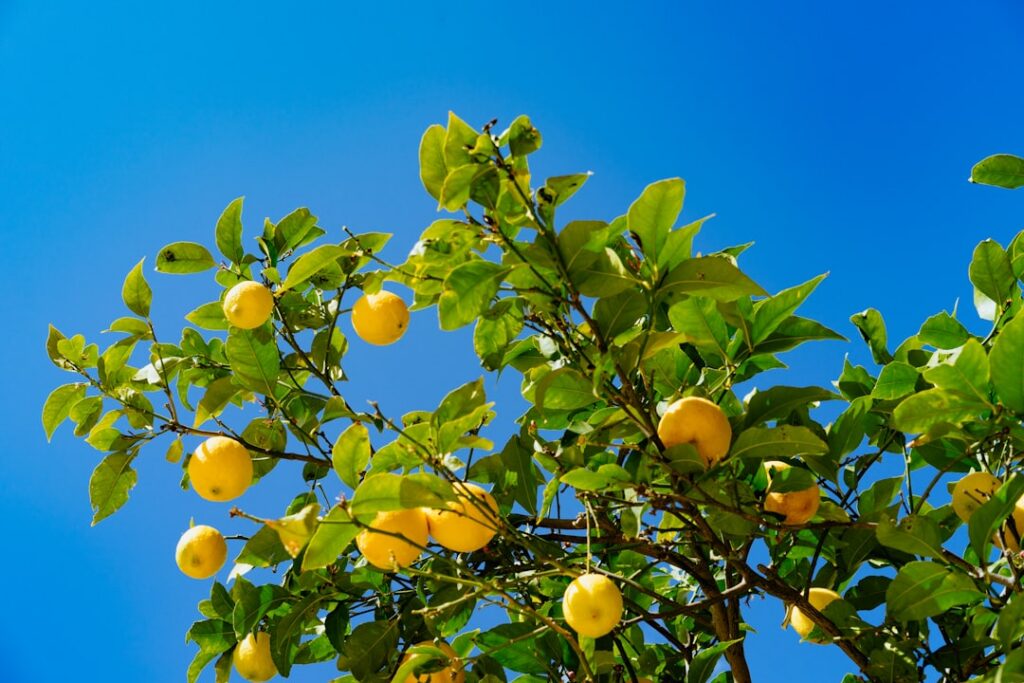
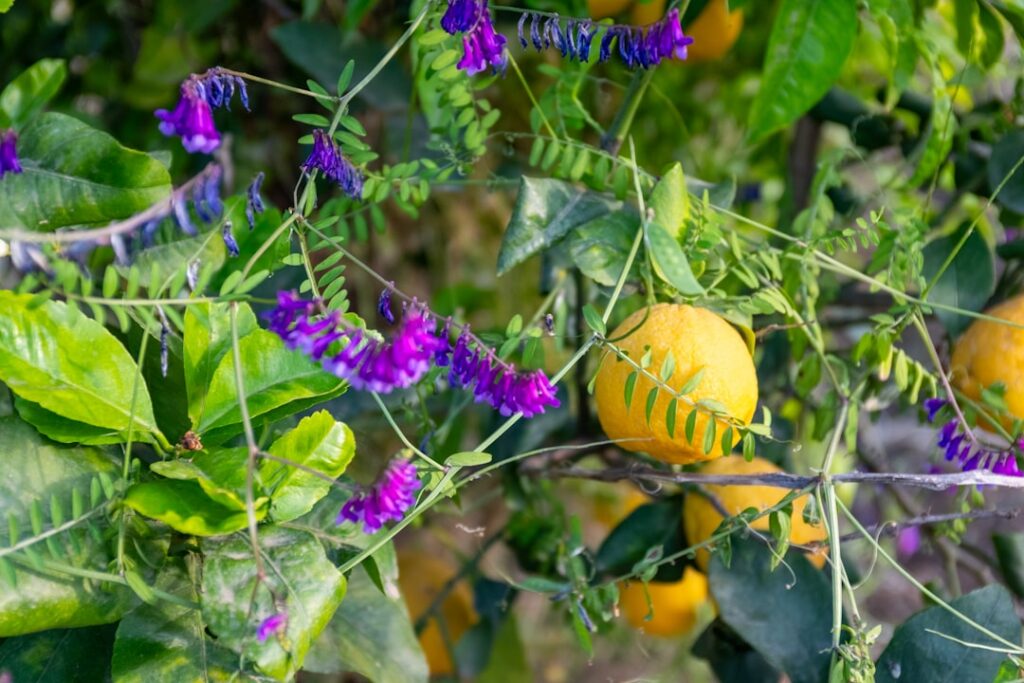
- Citrus Trees: Nasturtiums (trap aphids), Borage (attracts pollinators), Alfalfa (nitrogen fixer).
- Berries (Strawberries, Blueberries, Raspberries): Bush beans (nitrogen fixer for strawberries), Pine needles (mulch for blueberries, helps maintain acidic soil), Tansy (repels Japanese beetles from raspberries).
Tips for Successful Companion Planting
- Research Your Specific Trees: Different fruit trees have different needs and vulnerabilities. Tailor your companion choices to your specific varieties.
- Consider Spacing: Ensure companion plants don’t compete excessively with your fruit trees for resources, especially young trees.
- Observe and Learn: Every garden is unique. Pay attention to what works well in your specific microclimate and soil conditions.
- Start Small: You don’t have to overhaul your entire orchard at once. Try a few key pairings and expand as you gain confidence.
Cultivate a Healthier, Happier Orchard
Companion planting is more than just a gardening technique; it’s an embrace of nature’s wisdom. By working with nature rather than against it, you can cultivate a more resilient, productive, and beautiful fruit tree garden that truly thrives with less effort. It’s a wonderful way to reduce pest problems, boost pollination, and enrich your soil, all while enjoying the peace of a balanced ecosystem.
We encourage you to experiment and discover your favorite companion plant pairings. Have you already tried companion planting with your fruit trees? We’d love to hear your success stories and tips in the comments below!