Your thyroid gland, a small butterfly-shaped organ in your neck, plays a mighty role in your overall health. It produces hormones that regulate metabolism, energy levels, body temperature, and even your mood. Nurturing your thyroid health through mindful eating is a powerful way to support its vital functions and boost your well-being. But with so much conflicting information out there, knowing what to put on your plate and what to avoid can feel overwhelming.
This guide will simplify your dietary choices, highlighting essential foods to eat more of and certain foods to limit, empowering you to make informed decisions for a healthier thyroid. Let’s dive into how specific dietary choices can naturally support its function, making your wellness journey smoother and more vibrant.
Foods to Embrace: Nourishing Your Thyroid
Incorporating specific nutrient-dense foods can help provide the building blocks and protective elements your thyroid needs to function optimally. These are the allies in your quest for robust thyroid health.
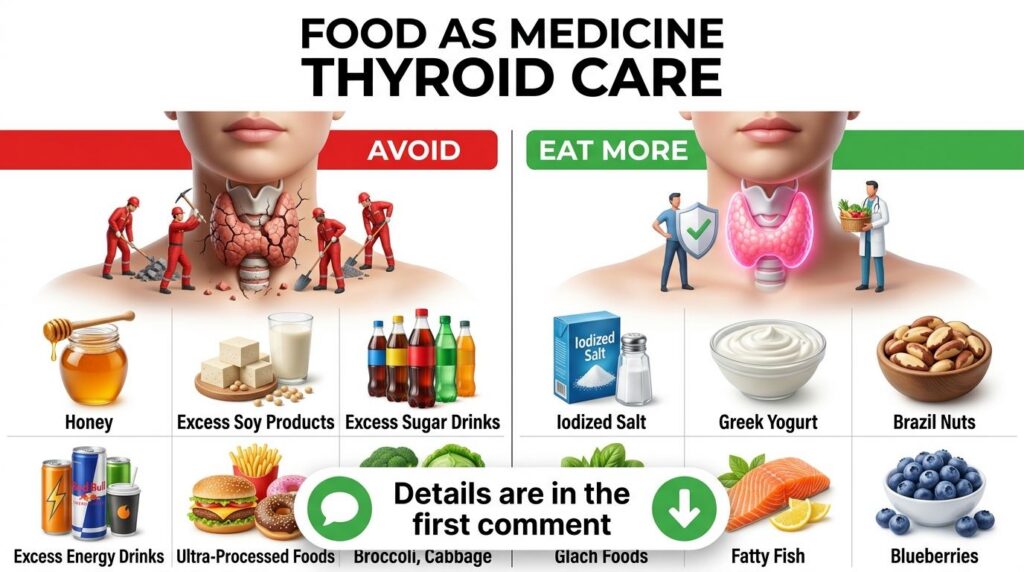
Iodized Salt
Iodine is a crucial mineral that your thyroid gland requires to produce its hormones. Without sufficient iodine, thyroid hormone production can be impaired. While many foods contain trace amounts, iodized salt is a common and accessible way to ensure adequate intake. A small amount, used in cooking or seasoning, can go a long way in supporting your thyroid.
Greek Yogurt
Greek yogurt offers a fantastic combination of protein, probiotics, and often iodine. Its protein content supports overall metabolic function, while probiotics contribute to gut health, which is intricately linked to thyroid function and hormone conversion. Opt for plain, unsweetened Greek yogurt to avoid excess sugar.
Brazil Nuts
These powerhouse nuts are one of the richest dietary sources of selenium, another essential mineral for thyroid health. Selenium plays a key role in the conversion of inactive thyroid hormone (T4) to its active form (T3) and helps protect the thyroid gland from oxidative damage. Just one or two Brazil nuts a day can provide your daily selenium needs.
Leafy Greens (Spinach, Kale, etc.)
Leafy greens like spinach are packed with vitamins, minerals, and antioxidants, supporting overall health and reducing inflammation, which can indirectly benefit the thyroid. They provide magnesium, an important mineral for energy production and many enzymatic reactions in the body. While specific cruciferous greens need careful consideration (discussed below), many leafy varieties are beneficial for general nutritional support.
Fatty Fish (Salmon, Mackerel, Sardines)
Fatty fish, such as salmon, are excellent sources of omega-3 fatty acids, which are known for their anti-inflammatory properties. Chronic inflammation can negatively impact thyroid function, so reducing it is key. Additionally, many fatty fish contain selenium and vitamin D, both important for a healthy immune system and thyroid regulation.
Blueberries
These small but mighty berries are bursting with antioxidants, particularly anthocyanins, which help combat oxidative stress and inflammation throughout the body. A diet rich in antioxidants can help protect cells, including those in the thyroid, from damage and contribute to overall wellness.
Foods to Limit: What May Hinder Thyroid Function
Just as some foods boost thyroid health, others, particularly when consumed in excess, can put a strain on your thyroid or interfere with its hormone production. Moderation and awareness are key here.
Excess Honey
While natural, honey is still a form of sugar. Excessive sugar intake, regardless of its source, can lead to inflammation, blood sugar imbalances, and may contribute to insulin resistance. These factors can indirectly affect thyroid function and overall metabolic health. Enjoy honey in moderation as an occasional sweetener.
Excess Soy Products
Soy products, particularly those that are highly processed, contain compounds called goitrogens, which can interfere with the thyroid’s ability to utilize iodine. While moderate consumption of fermented soy (like tempeh or natto) may be fine for most, excessive intake of unfermented or highly processed soy products (e.g., soy protein isolates, soy milk in large quantities) may be a concern for individuals with existing thyroid conditions or iodine deficiency. Always consult with a healthcare professional regarding your specific intake.
Excess Sugar Drinks
Soft drinks, fruit juices with added sugar, and other sweetened beverages are significant contributors to excess sugar intake. As with honey, high consumption can lead to inflammation, weight gain, and insulin resistance, all of which can negatively impact thyroid function and overall metabolic health. Prioritize water and unsweetened beverages instead.
Excess Energy Drinks
Energy drinks typically contain high levels of caffeine, sugar, and artificial ingredients. While a moderate amount of caffeine can be fine for some, excessive intake can disrupt sleep patterns, increase stress hormones, and contribute to inflammation. The combination of these factors, along with added sugars and artificial compounds, makes energy drinks generally unsupportive of optimal thyroid and overall health.
Ultra-Processed Foods
Foods like burgers, fries, donuts, and other highly processed items are often high in unhealthy fats, sugar, sodium, and artificial ingredients, while being low in essential nutrients. A diet dominated by ultra-processed foods can promote inflammation, gut dysbiosis, and nutrient deficiencies, all of which can compromise thyroid function and overall well-being. Focus on whole, unprocessed foods whenever possible.
Cruciferous Vegetables (Broccoli, Cabbage)
Cruciferous vegetables like broccoli and cabbage contain goitrogenic compounds that, similar to soy, can interfere with iodine uptake by the thyroid gland. For most people with adequate iodine intake, consuming these vegetables in normal amounts, especially when cooked, poses no risk. In fact, they are highly nutritious. However, individuals with iodine deficiency or existing hypothyroidism may need to moderate their raw intake or ensure they cook these vegetables thoroughly, as cooking can reduce the goitrogenic effect. Always discuss your dietary intake with your doctor if you have thyroid concerns.
Making Smart Choices for Your Thyroid
Supporting your thyroid health doesn’t require drastic dietary overhauls, but rather mindful choices that prioritize nutrient-rich, whole foods and limit processed options. By understanding which foods nurture your thyroid and which might hinder its function, you can confidently build a plate that empowers your energy, metabolism, and overall vitality.
FAQs About Thyroid-Friendly Eating
Q: Can diet alone cure a thyroid condition?
A: Diet plays a crucial role in supporting thyroid health and managing symptoms, but it cannot cure most thyroid conditions. Always work with your healthcare provider for diagnosis and treatment.
Q: How quickly will I see results from changing my diet?
A: Dietary changes contribute to long-term health. While some may notice subtle improvements in energy or digestion relatively quickly, significant changes related to thyroid function usually take time and consistent effort. It’s part of an ongoing wellness journey.
Q: Are there any specific cooking methods that are better for thyroid health?
A: Cooking cruciferous vegetables can help reduce their goitrogenic compounds. Gentle cooking methods like steaming or light sautéing are generally recommended to preserve nutrient content.