When you hear the word “fat,” do you immediately think of something to avoid? It’s a common misconception that all fats are bad, but the truth is, healthy fats are absolutely essential for a thriving body and mind! Far from being dietary villains, these nutrient-packed powerhouses play a crucial role in everything from energy production to brain function and overall well-being.
At Wellness Daily, we believe in empowering you with accurate, easy-to-understand information to make the best choices for your health. Let’s dive into the vibrant world of healthy fats and discover how you can easily incorporate them into your daily meals.
What Are Healthy Fats and Why Are They Important?
Fats are one of the three macronutrients, alongside carbohydrates and proteins, that your body needs to function optimally. They are a concentrated source of energy, help absorb fat-soluble vitamins (A, D, E, K), and are vital for cell growth and hormone production. The key is distinguishing between beneficial fats and those that should be consumed in moderation.
Healthy fats, primarily unsaturated fats, can support heart health, reduce inflammation, and even contribute to better mood and cognitive function. They are truly nature’s best fuel!
The Main Types of Healthy Fats
Not all fats are created equal. Understanding the different types can help you make informed choices.
1. Monounsaturated Fats (MUFAs)
MUFAs are known for their ability to help reduce bad cholesterol levels (LDL) while potentially increasing good cholesterol (HDL). They are a cornerstone of the Mediterranean diet and are linked to various health benefits, including supporting heart health.
- Food Sources: Avocados, olive oil, canola oil, peanut oil, most nuts (like almonds, pecans, cashews), and seeds (like pumpkin and sesame).
2. Polyunsaturated Fats (PUFAs)
PUFAs are often called “essential fats” because your body cannot produce them, so you must get them from your diet. This category includes omega-3 and omega-6 fatty acids, both vital for health.
Omega-3 Fatty Acids
Omega-3s are renowned for their anti-inflammatory properties and their role in brain health, eye health, and heart function. There are three main types: ALA (alpha-linolenic acid), EPA (eicosapentaenoic acid), and DHA (docosahexaenoic acid).
- Food Sources: Fatty fish (salmon, mackerel, tuna, sardines), flaxseeds, chia seeds, walnuts, and flaxseed oil.
Omega-6 Fatty Acids
Omega-6s are also essential, but it’s important to maintain a healthy balance with omega-3s. Most Western diets tend to be higher in omega-6s, so focusing on increasing omega-3 intake is often recommended.
- Food Sources: Soybean oil, corn oil, sunflower oil, walnuts, and some nuts.
3. Saturated Fats (in moderation)
While historically demonized, current research suggests that saturated fats are not as harmful as once thought when consumed in moderation as part of a balanced diet. However, it’s still generally advisable to prioritize unsaturated fats.
- Food Sources: Red meat, poultry with skin, full-fat dairy products, coconut oil, and butter.
Why Your Body Absolutely Needs Healthy Fats
Beyond providing energy, healthy fats contribute to numerous bodily functions:
- Energy Production: Fats are a dense source of calories, providing sustained energy.
- Brain Health: Omega-3 fatty acids, especially DHA, are crucial components of brain cell membranes and are associated with improved cognitive function and mood.
- Hormone Production: Fats are building blocks for many hormones, including sex hormones.
- Nutrient Absorption: They are necessary for the absorption of fat-soluble vitamins (A, D, E, K), which are vital for vision, bone health, immune function, and antioxidant protection.
- Cell Structure: Fats form the membranes of every cell in your body, maintaining their integrity and function.
- Inflammation Regulation: Omega-3s, in particular, play a significant role in managing the body’s inflammatory responses.
- Skin and Hair Health: Adequate intake of healthy fats contributes to healthy skin and shiny hair.
Simple Ways to Incorporate Healthy Fats into Your Daily Meals
Adding more healthy fats to your diet is easier than you might think!
- Cook with Healthy Oils: Use extra virgin olive oil for dressings and sautéing at moderate temperatures. Avocado oil is great for higher-heat cooking.
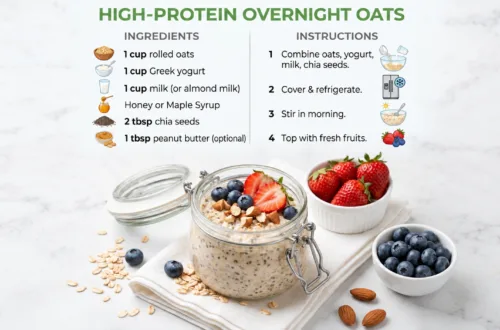
- Snack on Nuts and Seeds: A handful of almonds, walnuts, chia seeds in yogurt, or flaxseeds in your smoothie can make a big difference.
- Embrace Avocados: Add sliced avocado to salads, sandwiches, toasts, or blend it into smoothies for a creamy texture.
- Enjoy Fatty Fish: Aim for at least two servings of fatty fish like salmon or mackerel per week.
- Upgrade Your Dressings: Make your own vinaigrettes with olive oil and vinegar instead of store-bought options often high in less healthy oils.
- Nut Butters: Opt for natural peanut, almond, or cashew butter without added sugars.
Remember, balance and variety are key. By focusing on incorporating a diverse range of these beneficial fats, you’re not just fueling your body; you’re nourishing it from the inside out.
Important Disclaimer
The information provided in this article is for educational purposes only and is not intended as a substitute for professional medical advice, diagnosis, or treatment. Always seek the advice of your physician or other qualified health provider with any questions you may have regarding a medical condition.
So, which of these healthy fats is your favorite to enjoy? Share your go-to sources in the comments below!