Your Beginner’s Guide to Clean Eating
Ready to embrace a healthier lifestyle? Discover how making simple, conscious food choices can significantly impact your daily well-being and set you on a path to feeling your best. Clean eating isn’t about restrictive diets or complicated rules; it’s a mindful approach to nutrition that prioritizes whole, unprocessed foods.
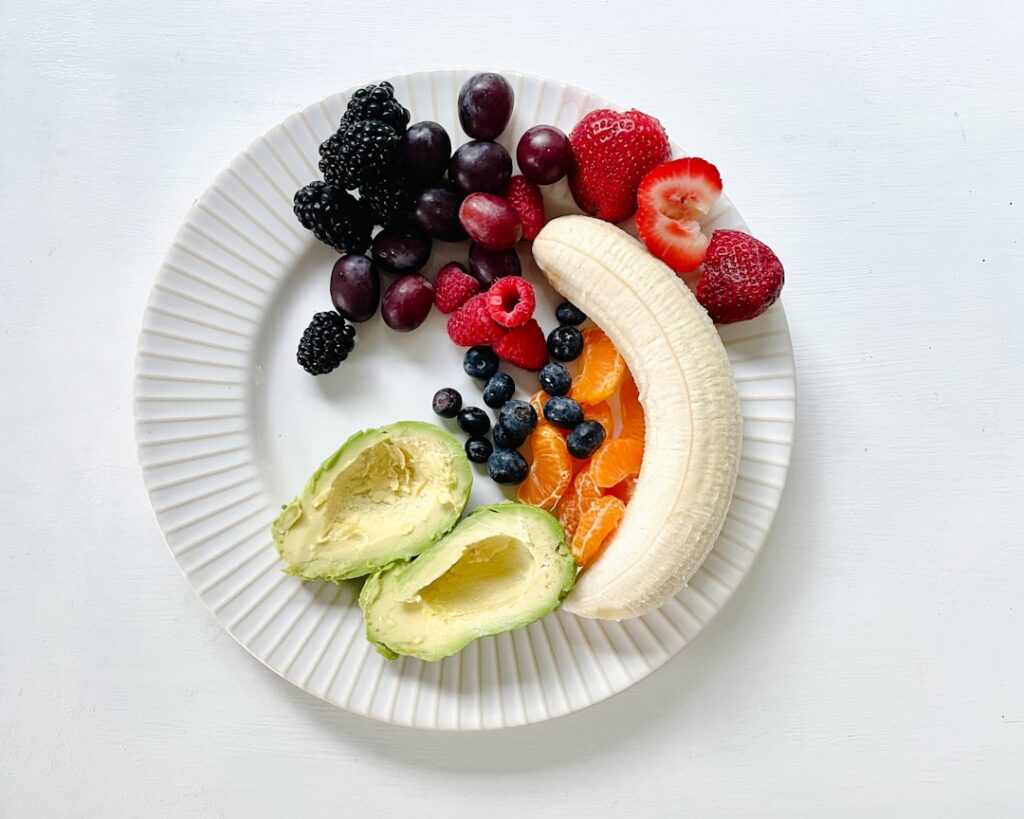
What Exactly is Clean Eating?
At its core, clean eating focuses on consuming foods in their most natural, unprocessed state. Think of it as eating real food — items that are recognizable and have minimal ingredients. This approach emphasizes nourishment, seeking out foods that provide essential vitamins, minerals, and energy, rather than artificial additives or excessive sugars.
It’s a sustainable way of eating that encourages you to be more aware of what you put into your body, fostering a deeper connection with your food and its origins.
Core Principles of Clean Eating
While often flexible, clean eating typically follows a few key guidelines:
Embrace Whole, Unprocessed Foods
- Fruits and Vegetables: Focus on a wide variety of colorful produce. These are packed with vitamins, minerals, and fiber.
- Lean Proteins: Include sources like chicken, turkey, fish, eggs, legumes, and plant-based proteins such as tofu and tempeh.
- Whole Grains: Opt for options like quinoa, brown rice, oats, and whole-wheat bread or pasta over refined grains.
- Healthy Fats: Incorporate avocados, nuts, seeds, and olive oil in moderation.
Limit Processed and Packaged Foods
Many pre-packaged foods contain hidden sugars, unhealthy trans fats, artificial flavors, and preservatives. Reducing your intake of these items is a cornerstone of clean eating. This includes sugary cereals, fast food, most frozen dinners, and packaged snacks.
Reduce Added Sugars and Unhealthy Fats
Pay attention to labels and try to minimize foods with high amounts of added sugars (e.g., high-fructose corn syrup, sucrose) and unhealthy saturated or trans fats. Natural sugars found in fruits are generally fine, but processed sweets should be enjoyed sparingly.
Stay Hydrated
Water is essential for nearly every bodily function. Make plain water your primary beverage choice, and limit sugary drinks, sodas, and excessive amounts of fruit juice.
Mindful Eating
Clean eating also encourages mindful consumption – paying attention to your body’s hunger and fullness cues, savoring your meals, and eating without distractions.
Getting Started: Practical Tips for Beginners
Embarking on a clean eating journey doesn’t have to be overwhelming. Start with small, manageable steps.
Start Small, Make Gradual Changes
Instead of overhauling your entire diet overnight, pick one or two areas to focus on first. Maybe swap your morning sugary cereal for oatmeal with berries, or replace soda with water. Gradual changes are often more sustainable.
Read Food Labels
Become a detective! Look for foods with short ingredient lists and recognizable items. Avoid products with ingredients you can’t pronounce or a long list of additives.
Stock Your Kitchen Smartly
Fill your pantry and fridge with clean eating staples: fresh produce, lean proteins, whole grains, nuts, seeds, and healthy oils. Having these on hand makes healthy meal preparation much easier.
Plan Your Meals
Meal planning can significantly reduce the temptation for quick, unhealthy choices. Spend some time each week planning your meals and snacks, and perhaps even do some prep work like chopping vegetables.
Cook at Home More Often
Cooking your own meals gives you full control over the ingredients. Experiment with simple recipes that highlight fresh, whole foods.
Smart Swaps
- Swap white bread and pasta for whole-wheat or brown rice options.
- Choose fresh fruit over sugary desserts.
- Opt for plain yogurt and add your own fruit instead of flavored, sweetened varieties.
- Replace sugary dressings with olive oil and vinegar, or homemade vinaigrettes.
The Benefits of a Clean Eating Lifestyle
Adopting a clean eating approach is associated with a wealth of potential benefits:
- Increased energy levels
- Improved digestion and gut health
- Better weight management
- Enhanced mood and mental clarity
- Stronger immune system
- Reduced risk of certain chronic diseases
By nourishing your body with nutrient-dense foods, you’re not just eating clean; you’re investing in your overall health and vitality.
Embrace Your Wellness Journey
Clean eating is a journey, not a destination. There will be days when you deviate, and that’s perfectly okay. The goal is progress, not perfection. Enjoy the process of discovering new foods, experimenting with recipes, and feeling the positive changes in your body and mind.
What’s your favorite clean eating staple? Share with us in the comments!
Disclaimer:
The information provided in this article is for educational and informational purposes only and is not intended as a substitute for professional medical advice, diagnosis, or treatment. Always seek the advice of your physician or other qualified health provider with any questions you may have regarding a medical condition or before making any changes to your diet or health regimen.