Nature’s Pharmacy: Exploring Traditional Medicinal Foods for Holistic Health
For centuries, various cultures across the globe have looked to nature not just for sustenance, but for healing. This profound wisdom, passed down through generations, forms the essence of what we now refer to as ‘Nature’s Pharmacy’ – the understanding that food can be a powerful form of medicine. Long before modern pharmaceuticals, our ancestors intuitively used herbs, spices, fruits, and vegetables to support their bodies’ vital systems, maintain wellness, and recover from ailments. This insightful guide delves into the world of traditional medicinal foods, exploring how they have historically supported health and how their principles continue to resonate in our quest for holistic well-being.
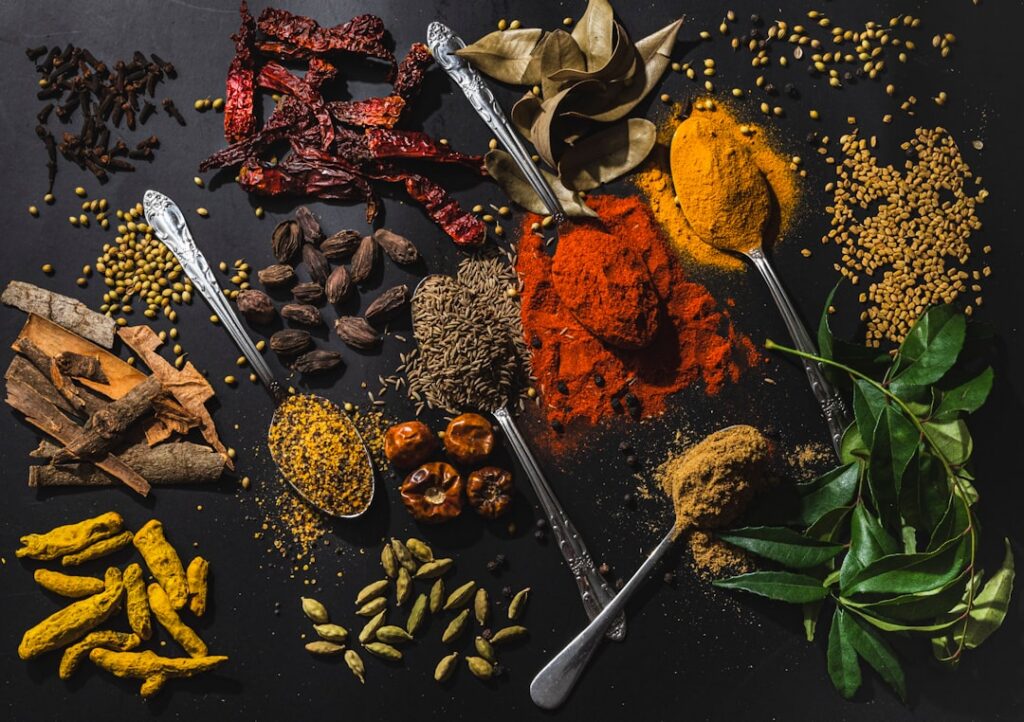
The Ancient Wisdom of Food as Medicine
The concept of ‘food as medicine’ is not new; it’s a foundational principle in many traditional healing systems, including Ayurveda, Traditional Chinese Medicine (TCM), and various indigenous practices. These systems view the body and nature as interconnected, emphasizing balance and prevention. Rather than solely treating symptoms, traditional medicine aims to support the body’s innate ability to heal by providing it with the right nourishment and energy.
Key Principles of Traditional Medicinal Foods:
- Holistic Approach: Treating the whole person, not just the disease.
- Balance and Harmony: Emphasizing equilibrium within the body and with the environment.
- Preventive Care: Using foods to strengthen the body and prevent illness.
- Seasonal and Local: Consuming foods that are in season and native to the region.
Spotlight on Traditional Medicine Foods and Their Support for Body Systems
Let’s explore some remarkable examples of foods and herbs traditionally revered for their supportive properties for various bodily functions.
1. For Immune System Support
- Garlic (
Allium sativum ): Revered in many cultures for its immune-boosting properties, garlic contains sulfur compounds that have been traditionally used to support the body’s defenses. It’s often used in warming broths and meals to help ward off common seasonal discomforts. - Ginger (
Zingiber officinale ): A potent rhizome with a long history of use in Asian medicine, ginger is traditionally employed to support digestion, soothe discomfort, and warm the body. Its compounds, like gingerol, are thought to contribute to its traditional immune-supporting benefits. - Turmeric (
Curcuma longa ): The golden spice, a staple in Ayurvedic medicine, is well-known for its active compound, curcumin. Traditionally, turmeric has been used to support the body’s inflammatory response and promote overall vitality.
2. For Digestive Wellness
- Fennel Seeds (
Foeniculum vulgare ): These aromatic seeds have been traditionally chewed after meals in many cultures to aid digestion, freshen breath, and alleviate feelings of fullness or gas. - Peppermint (
Mentha piperita ): Often consumed as a tea, peppermint has been traditionally used to soothe digestive upset, relieve bloating, and support comfortable digestion. - Kimchi/Sauerkraut (Fermented Cabbage): Fermented foods, rich in beneficial bacteria, have been a cornerstone of many traditional diets. They are traditionally consumed to support a healthy gut microbiome, which is crucial for digestion and overall health.
3. For Stress Adaptation and Energy
- Ashwagandha (
Withania somnifera ): An ancient adaptogenic herb from Ayurvedic tradition, Ashwagandha is traditionally used to help the body adapt to stress, promote calm, and support energy levels and overall vitality. - Holy Basil/Tulsi (
Ocimum sanctum ): Considered a sacred herb in India, Tulsi is another adaptogen traditionally consumed as a tea to help mitigate the effects of stress, support mental clarity, and promote a sense of well-being.
Disclaimer: While these foods and herbs have a long history of traditional use, it is crucial to remember that scientific evidence for all claims may vary. Always consult with a healthcare professional before making any significant changes to your diet or if you have specific health concerns, especially if you are pregnant, nursing, or taking medication. Traditional remedies should complement, not replace, professional medical advice.
Incorporating Nature’s Pharmacy into Your Daily Life
Embracing the wisdom of traditional medicine foods doesn’t require a complete overhaul of your diet. Small, consistent changes can make a big difference:
- Spice Up Your Cooking: Regularly use herbs and spices like turmeric, ginger, garlic, and cinnamon in your meals.
- Embrace Fermented Foods: Incorporate kimchi, sauerkraut, yogurt, or kefir into your diet for gut support.
- Sip Herbal Teas: Enjoy peppermint, ginger, or tulsi tea as part of your daily routine.
- Explore Seasonal Produce: Focus on eating fresh, local, and seasonal fruits and vegetables, which are often at their peak nutritional value.
Conclusion: A Return to Roots for Modern Wellness
The timeless principles of Nature’s Pharmacy offer a compelling reminder of the profound connection between what we eat and our overall health. By understanding and thoughtfully incorporating traditional medicinal foods into our modern lifestyles, we can draw upon ancient wisdom to support our body’s vital systems naturally. It’s a journey back to basics, where food is honored not just for its taste, but for its incredible power to nourish, balance, and sustain our well-being.
What traditional food or herb from this guide surprised you most? Share in the comments below!