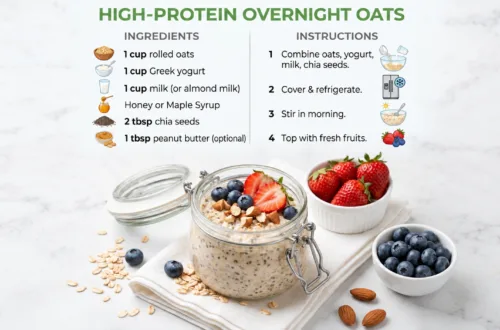
Nourish Your Body: A Guide to Healthy Eating
Fueling your body with the right nutrients is one of the most powerful steps you can take towards a vibrant, energetic life. It’s not just about what you eat, but how you eat, and how these choices contribute to your overall well-being. This guide is designed to help you navigate the world of healthy eating, making it an enjoyable and sustainable part of your daily routine.
Healthy eating is more than just a diet; it’s a lifestyle that emphasizes whole, unprocessed foods, providing your body with the energy and building blocks it needs to thrive. Let’s dive into the goodness and discover how easy and delicious healthy eating can be!
Why Healthy Eating Matters for Your Wellness Journey
The food we consume plays a fundamental role in nearly every aspect of our health. It impacts our energy levels, mood, cognitive function, immune system, and even our long-term disease risk. Understanding this connection is the first step towards making more informed choices.
- Increased Energy: Whole foods provide sustained energy release, preventing the sugar crashes often associated with processed foods.
- Improved Mood and Mental Clarity: Research suggests a strong link between gut health and brain health, with nutrient-dense foods supporting better mood regulation and cognitive function.
- Stronger Immune System: Vitamins, minerals, and antioxidants found in healthy foods are essential for a robust immune response, helping your body fight off illness.
- Better Weight Management: Eating whole foods rich in fiber and protein can help you feel full and satisfied, making it easier to maintain a healthy weight.
- Reduced Risk of Chronic Diseases: A balanced diet is associated with a lower risk of heart disease, type 2 diabetes, certain cancers, and other chronic health conditions.
The Core Components of a Wholesome Diet
A truly nourishing diet is built upon a foundation of diverse, nutrient-rich foods. Here are the key food groups to focus on:
1. Fruits and Vegetables
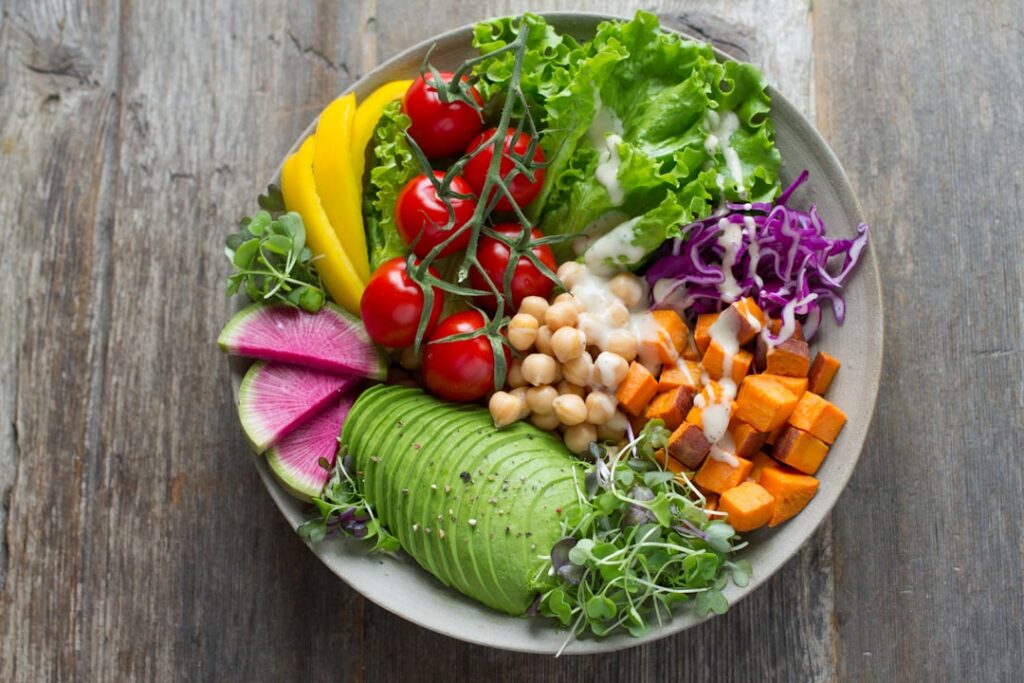
Packed with vitamins, minerals, fiber, and antioxidants, fruits and vegetables are the cornerstone of a healthy diet. Aim for a variety of colors to ensure a broad spectrum of nutrients.
- Examples: Leafy greens (spinach, kale), berries, broccoli, bell peppers, apples, oranges, sweet potatoes.
- Tip: Try to fill half your plate with fruits and vegetables at every meal.
2. Whole Grains
Unlike refined grains, whole grains retain their bran, germ, and endosperm, providing more fiber, B vitamins, and minerals. They contribute to digestive health and stable blood sugar levels.
- Examples: Oats, brown rice, quinoa, whole wheat bread, whole grain pasta.
- Tip: Swap white bread and pasta for their whole grain counterparts.
3. Lean Proteins
Protein is vital for building and repairing tissues, making enzymes and hormones, and providing satiety. Opt for lean sources to limit saturated fat intake.
- Examples: Chicken breast, fish (salmon, tuna), beans, lentils, tofu, eggs, lean beef.
- Tip: Include a source of lean protein in every meal to help you feel full and satisfied.
4. Healthy Fats
Essential for hormone production, nutrient absorption, and brain health, healthy fats are crucial. Focus on unsaturated fats and limit saturated and trans fats.
- Examples: Avocados, nuts (almonds, walnuts), seeds (chia, flax), olive oil, fatty fish.
- Tip: Incorporate a small amount of healthy fats into your meals, but be mindful of portion sizes as they are calorie-dense.
5. Hydration
Often overlooked, water is essential for virtually every bodily function, from nutrient transport to temperature regulation. Staying well-hydrated is a simple yet powerful healthy habit.
- Examples: Water, herbal tea, infused water with fruit.
- Tip: Carry a reusable water bottle and sip throughout the day.
Practical Tips for Incorporating Healthy Habits
Making healthy eating a consistent part of your life doesn’t have to be overwhelming. Start with small, manageable changes.
- Plan Your Meals: Dedicate some time each week to plan your meals and snacks. This helps you make healthier choices and reduces the likelihood of last-minute unhealthy options.
- Cook at Home More Often: Preparing your own meals gives you control over ingredients, portion sizes, and cooking methods.
- Read Food Labels: Become familiar with nutrition labels to understand what’s in your food, paying attention to added sugars, sodium, and unhealthy fats.
- Practice Mindful Eating: Pay attention to your body’s hunger and fullness cues. Eat slowly, savor your food, and avoid distractions like screens.
- Don’t Be Afraid to Experiment: Explore new fruits, vegetables, and whole grains. There’s a vast world of delicious, healthy foods to discover!
- Portion Control: While healthy foods are good for you, quantity still matters. Be mindful of portion sizes to avoid overeating.
Conclusion: Embrace Your Wellness Journey
Nourishing your body through healthy eating is a journey, not a destination. It’s about making conscious choices that support your health and vitality every day. Remember that consistency and balance are key. By focusing on whole foods, staying hydrated, and adopting mindful eating practices, you can build a sustainable lifestyle that keeps you feeling your best.
Always remember that this information is for educational purposes and should not be considered a substitute for professional medical advice. If you have specific dietary concerns or health conditions, please consult with a qualified healthcare provider or registered dietitian.