Banana vs. Dates: The Sugar Surpriser!
When you’re reaching for a healthy snack, fruits are often the go-to choice – and for good reason! They’re packed with vitamins, minerals, and fiber. But have you ever stopped to think about the natural sugar content in your favorite fruit snacks? Today, we’re putting two popular and nutritious fruits head-to-head: bananas and dates. You might be surprised by what we uncover!
Both bananas and dates are excellent sources of energy and essential nutrients, making them valuable additions to a balanced diet. However, understanding their unique nutritional profiles, especially concerning natural sugars, can help you make more informed choices for your wellness journey.
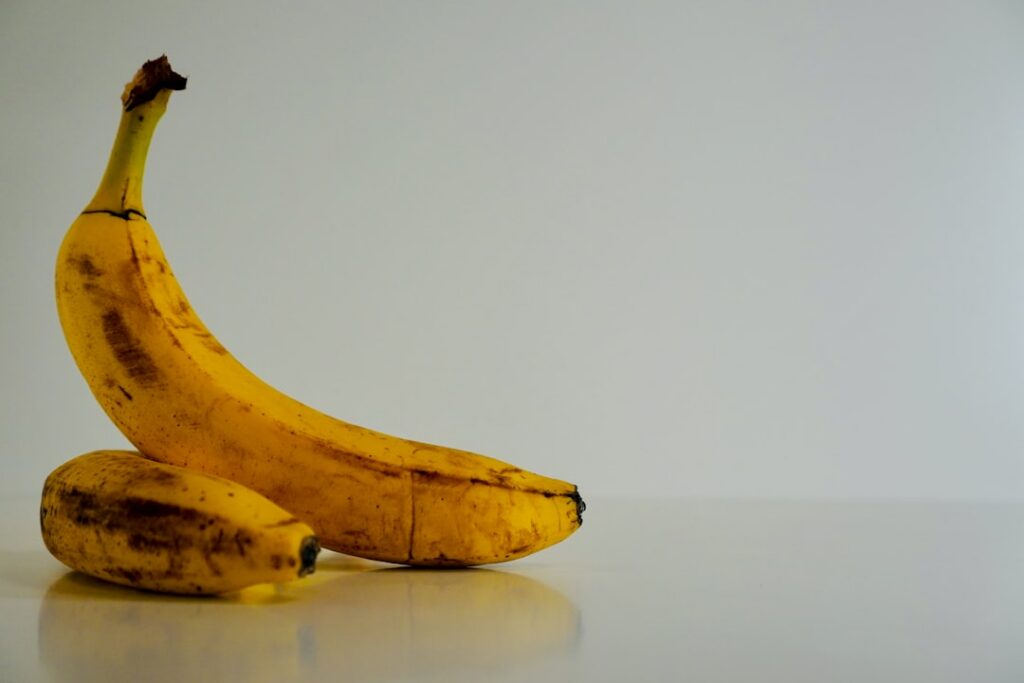
The Mighty Banana: A Potassium Powerhouse
Bananas are perhaps one of the most widely consumed fruits globally, known for their convenience, affordability, and nutritional benefits. They are particularly famous for their high potassium content, which is vital for heart health and muscle function. But what about their sugar?
Nutritional Snapshot of a Banana (Medium size, approximately 118g):
- Calories: Around 105
- Carbohydrates: Approximately 27g
- Natural Sugars: Roughly 14g (primarily glucose, fructose, and sucrose)
- Fiber: About 3.1g
- Potassium: Around 422mg (about 9% of the Daily Value)
- Vitamin C: About 10.3mg (about 11% of the Daily Value)
- Vitamin B6: About 0.4mg (about 25% of the Daily Value)
Bananas offer a good source of energy, making them an ideal pre- or post-workout snack. The fiber content helps moderate the release of sugars into the bloodstream, contributing to more sustained energy. However, it’s worth noting that a single medium banana contains a significant amount of natural sugars.
Dates: Nature’s Candy, With a Twist
Dates, often cherished as a natural sweetener and a staple in Middle Eastern diets, are known for their incredibly sweet taste and chewy texture. They are typically enjoyed dried, which concentrates their nutrients and sugars. Dates are rich in various minerals and fiber.
Nutritional Snapshot of Dates (2 large Medjool dates, approximately 48g):
- Calories: Around 133
- Carbohydrates: Approximately 36g
- Natural Sugars: Roughly 32g (predominantly fructose and glucose)
- Fiber: About 3.2g
- Potassium: Around 334mg (about 7% of the Daily Value)
- Magnesium: About 29mg (about 7% of the Daily Value)
- Antioxidants: Rich in various types, including flavonoids and carotenoids.
As you can see, for a much smaller serving size (two large dates vs. one medium banana), dates pack a considerably higher amount of natural sugars. This is primarily due to their dried nature, which removes water and concentrates the fruit’s natural sweetness.
The Sugar Surpriser: A Direct Comparison
Here’s where the surprise comes in! While a medium banana contains about 14 grams of natural sugar, just two large Medjool dates can contain around 32 grams of sugar. This means that a relatively small serving of dates can deliver more than twice the sugar of a banana!
It’s important to remember that this is natural sugar, which comes bundled with fiber, vitamins, and minerals. However, consuming large quantities of even natural sugars can impact blood sugar levels, especially for individuals managing conditions like diabetes or those monitoring their sugar intake.
How to Enjoy Both Healthily
Both bananas and dates are incredibly nutritious and can certainly be part of a healthy diet. The key, as with most foods, lies in moderation and mindful consumption.
- Portion Control: Be aware of serving sizes. One banana is a standard serving. For dates, a serving might be 1-2 dates, not a handful.
- Pair with Protein/Fat: To help slow down sugar absorption and increase satiety, consider pairing these fruits with sources of protein or healthy fats. For example, dates with a few almonds, or banana slices with a spoonful of nut butter.
- Fiber is Your Friend: The fiber in both fruits is beneficial. Don’t remove it!
- Consider Your Activity Level: If you’re very active, your body can utilize these natural sugars more efficiently for energy.
- Listen to Your Body: Pay attention to how these foods make you feel and how they affect your energy levels throughout the day.
The Bottom Line
The