Mangoes, often hailed as the “king of fruits,” are not just a delicious tropical treat but also a powerhouse of nutrition. Their incredible versatility allows them to be enjoyed in many forms, each offering a unique taste and beneficial nutrients to support your wellness journey. From the juicy, vibrant flesh of a fresh mango to the chewy delight of its dried counterpart or the smooth richness of a blended puree, mangoes can fuel your day in countless ways.
Join us as we explore the wonderful journey of mangoes, highlighting how each form contributes to a healthy lifestyle and offering practical ways to incorporate them into your diet.
The Versatility of Mangoes: A Tropical Delight
Mangoes are a beloved fruit worldwide, cherished for their distinctive sweet flavor, soft texture, and aromatic appeal. Beyond their deliciousness, mangoes are packed with essential vitamins, minerals, and antioxidants, making them a fantastic addition to almost any meal or snack. Understanding the different ways mangoes are prepared and consumed can help you appreciate their full potential.
Fresh Mango: A Burst of Tropical Sweetness
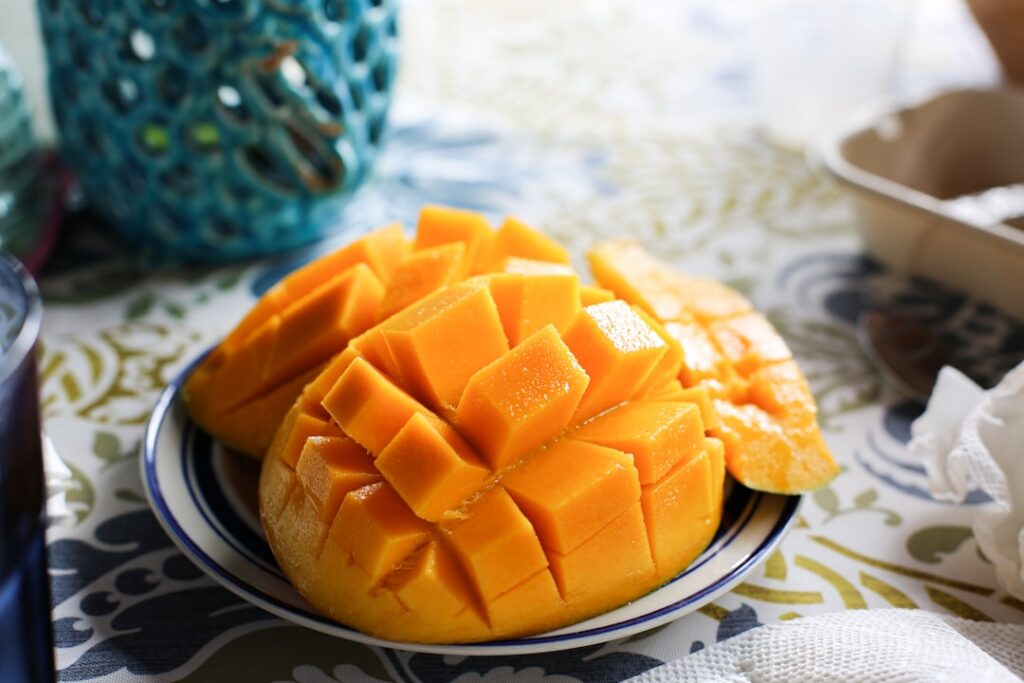
There’s nothing quite like biting into a ripe, fresh mango. Its succulent, juicy flesh is a pure expression of tropical sweetness, often with a hint of tanginess depending on the variety. Fresh mango is a fantastic source of hydration and offers a wide array of health benefits.
Nutritional Highlights of Fresh Mango
- Vitamin C: A single mango can provide a significant portion of your daily recommended intake of Vitamin C, crucial for immune function and skin health.
- Vitamin A: Rich in beta-carotene, which the body converts to Vitamin A, vital for vision and immune support.
- Fiber: Contains dietary fiber, which aids digestion and can help promote feelings of fullness.
- Antioxidants: Packed with various antioxidants, including mangiferin, which may help protect cells from damage.
Enjoying Fresh Mango
Fresh mango can be enjoyed simply sliced on its own, added to fruit salads, blended into refreshing smoothies, or even incorporated into savory dishes like salsas and curries. Its vibrant flavor elevates any recipe.
Dried Mango: A Concentrated Treat
Dried mango offers a chewy, intensely sweet experience, concentrating the fruit’s natural sugars and flavors. It’s a convenient, portable snack that retains many of the fresh fruit’s beneficial nutrients.
What to Look For in Dried Mango
When choosing dried mango, it’s wise to check the ingredient list. Some commercial dried mango products may contain added sugars or preservatives. Opt for varieties with no added sugar to enjoy the fruit’s natural sweetness and nutritional value without unnecessary extras.
Creative Ways to Use Dried Mango
- On-the-Go Snack: Perfect for a quick energy boost during hikes, work, or travel.
- Trail Mix: A sweet and chewy addition to homemade trail mixes alongside nuts and seeds.
- Baking: Can be chopped and added to muffins, bread, or oatmeal for a burst of tropical flavor.
- Yogurt Topping: Sprinkle chopped dried mango over yogurt or oatmeal for added texture and sweetness.
Blended Mango: Smooth and Convenient
Blended mango, whether in the form of a smoothie, puree, or juice, provides a smooth, creamy texture that’s easy to digest and incredibly versatile. This form is particularly popular for beverages and desserts.
The Goodness of Blended Mango
When mangoes are blended, most of their nutritional content, including vitamins, minerals, and fiber (if the whole fruit is blended), remains intact. Blending can even make some nutrients more bioavailable, meaning they are easier for your body to absorb.
Popular Blended Mango Uses
- Smoothies: The classic choice! Combine mango with other fruits, leafy greens, and a liquid base for a nutrient-dense drink.
- Sauces and Dressings: Mango puree can be used to create sweet and savory sauces for chicken, fish, or salads.
- Desserts: From mango sorbets and ice creams to puddings and mousses, blended mango adds a rich, fruity base.
- Baby Food: Plain mango puree is a gentle and nutritious first food for infants.
Overall Health Benefits of Mangoes
Regardless of the form you choose, mangoes consistently offer a range of health-supporting properties.
Rich in Vitamins and Minerals
Mangoes are an excellent source of Vitamin C, Vitamin A (from beta-carotene), folate, and Vitamin K. They also provide essential minerals like potassium and magnesium, which are important for maintaining electrolyte balance and muscle function.
Digestive Health Support
The dietary fiber in mangoes, particularly fresh mango, may help support a healthy digestive system by promoting regularity and contributing to gut health. Additionally, mangoes contain digestive enzymes, such as amylases, which may help in breaking down complex carbohydrates.
Antioxidant Power
The variety of antioxidants found in mangoes, including polyphenols and carotenoids, are associated with protecting the body’s cells from oxidative stress. This protective effect is a key component of overall wellness.
Making the Most of Your Mangoes
Whether you prefer the crisp freshness of a whole mango, the concentrated sweetness of a dried piece, or the creamy texture of a blended creation, mangoes offer a delightful and nutritious experience. Experiment with different forms and integrate them into your daily diet to reap their many health benefits.
Remember, while mangoes are a wonderful addition to a healthy diet, this information is for educational purposes only and not a substitute for professional medical advice or treatment. Always consult with a healthcare professional for personalized health guidance.