Ready to give your garden a natural, organic boost? 🌱 Many gardeners dream of lush, vibrant plants without relying on harsh chemicals. Good news! You can unlock the secret to a thriving garden right in your own home with simple, homemade fertilizers. These gentle boosters encourage vigorous growth and healthier greens, making your plants (and the planet!) incredibly happy.
We’ve rounded up 6 easy, natural fertilizer recipes you can whip up with common household items. Let’s dive into the world of sustainable gardening and discover how to nourish your plants the natural way!
Why Go Natural with Your Fertilizers?
Choosing natural and organic fertilizers offers a multitude of benefits for your plants, your garden’s ecosystem, and even your own health:
- Gentle on Plants: Natural fertilizers release nutrients slowly, reducing the risk of burning roots and providing a steady, sustained food source.
- Improves Soil Health: They feed the soil’s microbial life, enhancing soil structure, water retention, and overall fertility over time.
- Eco-Friendly: Reduces chemical runoff into waterways and supports a healthier environment for beneficial insects and wildlife.
- Cost-Effective: Many ingredients are kitchen scraps or inexpensive materials you already have!
- Safer for You: No need to handle harsh chemicals, making your gardening experience more pleasant and safe.
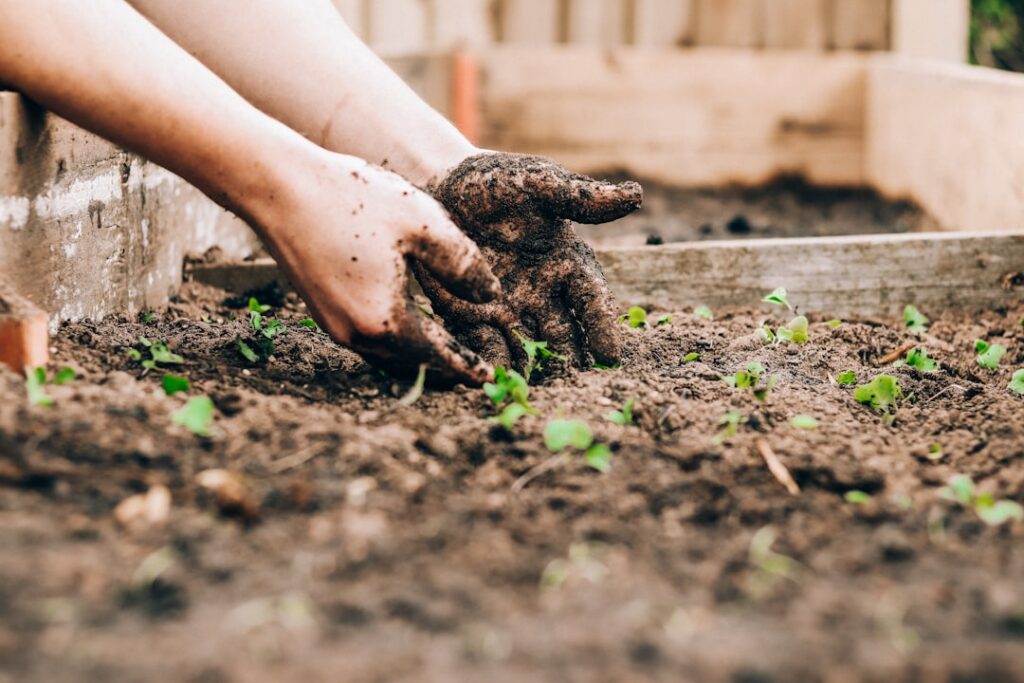
The Power of 6: Natural Fertilizers You Can Make at Home
1. Compost Tea: The Elixir for Thriving Gardens
Compost tea is like a nutrient-rich smoothie for your plants, packed with beneficial microbes. It’s fantastic for both foliar feeding and root drenching.
How to Make It:
- Fill a porous bag (like a burlap sack or old pillowcase) with mature compost.
- Submerge the bag in a bucket of dechlorinated water (rainwater or tap water left out for 24 hours).
- Let it steep for 2-3 days, stirring occasionally. The water should turn a rich brown color.
- Remove the compost bag and dilute the liquid with more water until it looks like weak iced tea.
How to Use It:
- Spray directly onto plant leaves early in the morning or late afternoon for a foliar feed.
- Pour around the base of plants as a root drench.
- Use weekly or bi-weekly during the growing season.
2. Banana Peels: Potassium Powerhouse
Don’t toss those banana peels! They’re rich in potassium, a vital nutrient for strong stems, root development, and fruit production.
How to Use Them:
- Direct Burying: Chop peels into small pieces and bury them directly in the soil around your plants, especially roses and fruiting plants. They’ll decompose and release nutrients slowly.
- Banana Peel Tea: Soak chopped banana peels in water for a few days, then use the nutrient-infused water to feed your plants.
- Dried & Powdered: Dry peels in the sun or oven, then grind them into a powder to sprinkle around plants.
3. Crushed Eggshells: Calcium for Stronger Plants
Eggshells are an excellent source of calcium, which helps plants build strong cell walls, preventing issues like blossom end rot in tomatoes and peppers.
How to Use Them:
- Crush & Sprinkle: Wash and dry eggshells thoroughly. Crush them into a fine powder (a coffee grinder works wonders!) and sprinkle around the base of plants.
- Incorporate into Soil: Mix crushed eggshells directly into your garden beds or potting mix before planting.
- Eggshell Tea: Boil crushed eggshells in water for 15-20 minutes, let it cool, and then use the water to irrigate plants.
4. Used Coffee Grounds: A Boost for Acid-Loving Plants
Coffee grounds are a fantastic source of nitrogen, which promotes lush leafy growth. They also add organic matter to the soil and can slightly acidify it, making them perfect for plants like blueberries, hydrangeas, and roses.
How to Use Them:
- Direct Application: Sprinkle a thin layer of dried coffee grounds around the base of acid-loving plants. Avoid thick layers, which can impede water penetration.
- Compost Booster: Add coffee grounds to your compost pile to enrich it and speed up decomposition.
- Liquid Feed: Steep coffee grounds in water overnight to create a mild liquid fertilizer.
5. Alfalfa Meal: A Balanced Organic Feed
Alfalfa meal, made from dried and ground alfalfa plants, is a slow-release, all-purpose organic fertilizer. It’s rich in nitrogen, phosphorus, and potassium, plus trace minerals and natural growth hormones.
How to Use It:
- Soil Amendment: Work alfalfa meal into your garden soil before planting or sprinkle it around existing plants.
- Top Dressing: Apply a thin layer around the base of perennials, shrubs, and roses.
- Alfalfa Tea: Soak alfalfa meal in water for a few days to create a liquid feed similar to compost tea.
6. Worm Castings: Nature’s Best Fertilizer
Often called