Portion Control: A Simple Shift for Lasting Healthy Habits
In our fast-paced world, finding balance in what we eat can feel like a constant challenge. We’re often bombarded with conflicting dietary advice, leading many to believe that the only path to health involves strict restriction or completely eliminating beloved foods. But what if we told you there’s a more sustainable, enjoyable, and effective approach? Enter portion control – a powerful tool for cultivating healthy eating habits without sacrificing satisfaction.
This article will guide you through understanding portion control not as a form of deprivation, but as a path to mindful eating and lasting wellness. We’ll explore why mastering portion sizes can make a significant difference in your health journey, how to listen to your body’s wisdom, and practical strategies for building balanced, delicious plant-based meals.
What Portion Control Really Means
At its core, portion control is about eating the right amount of food to nourish your body and meet its energy needs. It’s not about counting every single calorie or meticulously weighing every gram. Instead, it’s about becoming more aware of how much you’re consuming and aligning that with your personal requirements for optimal health and energy.
For those enjoying a vegan lifestyle, portion control ensures you’re getting a diverse range of nutrients from your plant-based diet without overdoing it on calorie-dense foods, even healthy ones like nuts or avocados. It’s about balance, moderation, and consistency – not restriction.
Why Oversized Portions Became Common
Think about the last time you dined out or even looked at a standard dinner plate. Chances are, portions have grown significantly over the decades. Several factors contribute to this phenomenon:
- Larger Dishware: Our plates and bowls are often bigger than those used by previous generations, naturally encouraging us to fill them more.
- Restaurant Portions: Many restaurants serve portions far exceeding a single serving, leading to an expectation of larger quantities.
- Cost-Effectiveness: Larger packages and “value” sizes often seem more economical, leading us to buy and consume more at home.
- Marketing: Food marketing often promotes abundance and indulgence, blurring the lines of what constitutes a healthy portion.
- Mindless Eating: In our busy lives, eating on the go or while distracted can lead to consuming more than our bodies truly need.
Portion Size vs. Calorie Intake
Understanding the direct link between portion size and calorie intake is crucial. Even with healthy, nutrient-dense vegan foods, excessive portions can lead to consuming more energy than your body requires, potentially contributing to weight gain over time. Conversely, consistent appropriate portions help maintain a healthy weight and support your body’s functions.
Consider this simple comparison for common vegan foods:
| Food Item | Common Oversized Portion | Recommended Healthy Portion | Calorie Difference (Approx.) |
|---|---|---|---|
| Almonds | ½ cup (approx. 50g) | ¼ cup (approx. 25g) | ~150-200 calories |
| Cooked Pasta | 2 cups (approx. 280g) | 1 cup (approx. 140g) | ~150-200 calories |
| Avocado | 1 whole large avocado (approx. 200g) | ½ medium avocado (approx. 80g) | ~150-200 calories |
| Hummus | ½ cup (approx. 120g) | ¼ cup (approx. 60g) | ~100-150 calories |
| Olive Oil | 2 tbsp (approx. 30ml) | 1 tbsp (approx. 15ml) | ~120 calories |
As you can see, small adjustments in portion sizes of even healthy foods can significantly impact your daily calorie intake, contributing to sustainable healthy eating habits.
Listening to Your Body: Hunger and Fullness Cues
One of the most powerful aspects of portion control is relearning to trust your body’s natural signals. Our bodies are incredibly smart and will tell us when they need fuel and when they’re satisfied.
The Hunger-Fullness Scale
Imagine a scale from 1 to 10, where 1 is painfully starving and 10 is uncomfortably stuffed. The goal is to start eating around a 3 or 4 (gently hungry) and stop around a 6 or 7 (comfortably satisfied). This takes practice, but it’s a cornerstone of mindful eating and effective portion control.
Mindful Eating Techniques
Mindful eating is a practice that encourages you to be fully present during your meals, enhancing your awareness of your food and your body’s responses. This naturally aids in portion control.
- Slow Down: Put your fork down between bites. Chew thoroughly.
- Engage Your Senses: Notice the colors, textures, aromas, and flavors of your food.
- Minimize Distractions: Turn off the TV, put away your phone. Focus on your meal.
- Check In: Pause periodically during your meal to assess your hunger and fullness levels.
- Savor Each Bite: Truly enjoy what you’re eating, especially with plant-based delights from your favorite Vegan Recipes.
Building Balanced Meals Using Protein, Healthy Fats, Fiber, and Whole Grains
Beyond just portion size, the composition of your meal plays a vital role in satisfaction and nutrient delivery. Building balanced meals helps you feel full longer and provides sustained energy, preventing overeating later.
The Plate Method
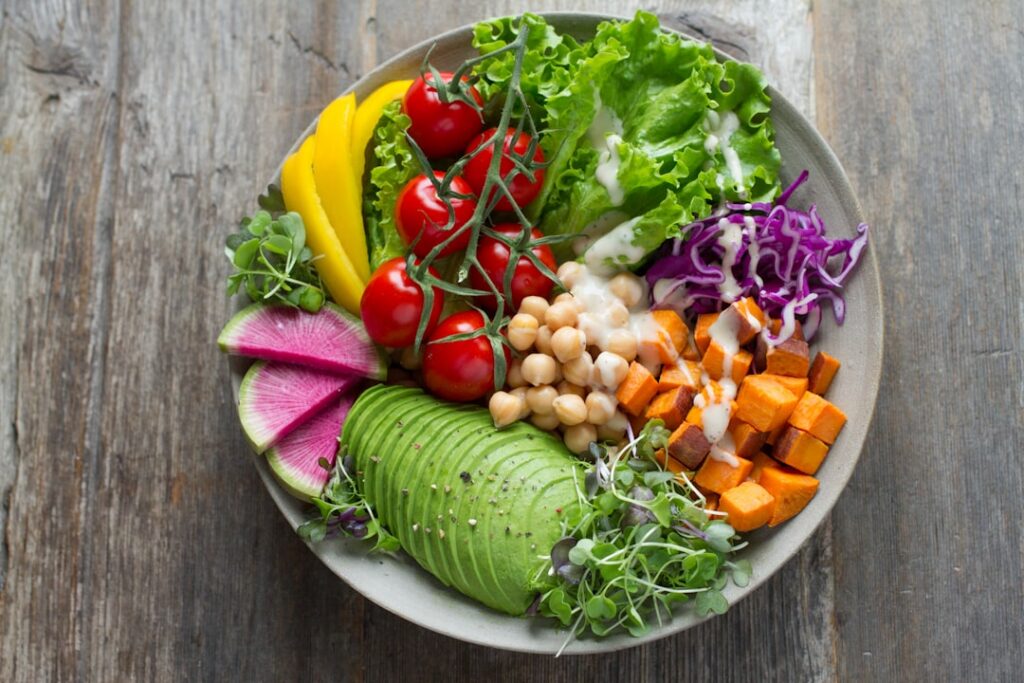
A simple visual guide for creating balanced, vegan-friendly meals:
- ½ Plate: Non-starchy vegetables (leafy greens, broccoli, bell peppers, carrots, etc.) – packed with fiber and nutrients.
- ¼ Plate: Lean plant-based protein (tofu, tempeh, lentils, beans, chickpeas, seitan) – crucial for satiety and muscle health.
- ¼ Plate: Whole grains or starchy vegetables (quinoa, brown rice, sweet potatoes, whole-wheat pasta) – for sustained energy.
- Add Healthy Fats: A small amount of healthy fats (avocado, nuts, seeds, olive oil) for flavor, nutrient absorption, and further satiety.
This method works wonderfully for everyday cooking and can be easily adapted for Meal Prep to ensure consistent healthy eating habits.
Practical Ways to Enjoy Treats Without Guilt
True healthy eating habits aren’t about denying yourself pleasure. It’s about balance. You can absolutely enjoy your favorite treats without guilt by practicing mindful indulgence and portion control.
- Pre-Portion: If you’re enjoying something like vegan cookies or chips, take a small, measured portion and put the rest away.
- Savor: Eat treats slowly, appreciating every bite. This makes a small portion more satisfying.
- Pair with Nutrients: Sometimes pairing a treat with a more nutritious food can help (e.g., a small piece of dark chocolate with a handful of berries).
- Don’t Deprive: Complete deprivation often leads to intense cravings and overeating. Allowing yourself small, mindful portions can prevent this cycle.
Common Portion Control Mistakes
Even with good intentions, it’s easy to stumble. Here are common pitfalls to avoid:
- Over-Restricting: Trying to eat too little often backfires, leading to extreme hunger and subsequent overeating.
- Ignoring Hunger Cues: Pushing past mild hunger can lead to ravenous eating.
- Mindless Snacking: Eating straight from the bag or package makes it difficult to track how much you’ve had.
- Skipping Meals: This can lead to severe hunger at the next meal, making portion control challenging.
- Not Eating Enough Protein & Fiber: These nutrients are key for satiety. Without them, you’ll feel hungry sooner.
Healthy Eating Habits That Last
Building sustainable healthy eating habits is a marathon, not a sprint. It’s about making small, consistent changes that accumulate over time. Incorporating portion control into your daily routine, focusing on whole plant-based foods, and listening to your body will create a foundation for lifelong wellness.
Remember, every meal is an opportunity to nourish your body and make choices that support your health goals. Embrace the journey with patience and self-compassion.
Frequently Asked Questions About Portion Control
Q1: Is portion control a form of dieting?
A: No, portion control is not a restrictive diet. It’s a sustainable strategy for mindful eating, helping you consume appropriate amounts of food to meet your body’s needs without feeling deprived. It focuses on awareness and balance rather than strict rules.
Q2: How can I measure portions without a scale?
A: You can use simple visual cues and your hand as measuring tools. For example, a cupped hand for grains, a palm-sized portion for protein, a fist for vegetables, and a thumb-tip for fats. These are approximations that can be very effective for practicing portion control on the go.
Q3: Can I still enjoy my favorite vegan treats with portion control?
A: Absolutely! Portion control is about moderation, not elimination. You can enjoy your favorite vegan treats by mindfully choosing a smaller portion, savoring each bite, and not letting occasional treats derail your overall healthy eating habits.
Q4: How does portion control help with Plant-based Nutrition?
A: For plant-based diets, portion control ensures you’re getting a diverse range of nutrients from various whole foods without overconsuming any single one. It helps in balancing macronutrients (proteins, carbs, fats) and micronutrients, optimizing your overall Plant-based Nutrition and preventing excessive calorie intake from even healthy plant-based sources.
Q5: What are the benefits of consistent portion control?
A: Consistent portion control leads to numerous benefits, including better weight management, improved digestion, more stable blood sugar levels, increased energy, and a deeper connection to your body’s hunger and fullness signals, fostering long-term healthy eating habits.
Conclusion
Embracing portion control is a profound step towards developing truly sustainable healthy eating habits. It’s about empowering yourself with knowledge, listening to your body, and enjoying all the amazing flavors a plant-based diet has to offer, without the pressure of strict rules or the deprivation of your favorite foods. By making small, mindful shifts, you can make a big difference in your well-being, fostering a healthier, happier relationship with food for life.
We hope this guide inspires you to approach your meals with greater awareness and confidence. What are your go-to mindful snacking tips or favorite healthy eating habits? Share your insights in the comments below – we’d love to hear from you!