Our bodies are intricate ecosystems, with each organ playing a vital role in maintaining overall health and vitality. Just as a garden thrives with the right soil and nutrients, our organs flourish when fueled by specific foods. Embracing a holistic approach to nutrition means understanding the powerful connection between what we eat and the well-being of our internal systems. This guide will explore how targeted foods can support your blood, brain, cells, gut, heart, and liver, contributing to a truly balanced and vibrant life.
The Foundation: Understanding Organ-Specific Nutrition
While all healthy eating benefits the entire body, certain nutrients and compounds found in specific foods offer enhanced support for individual organs. By incorporating these powerhouse foods into your daily diet, you can proactively nourish and protect your vital systems.
Nourishing Your Blood: The River of Life
Blood is responsible for transporting oxygen, nutrients, hormones, and immune cells throughout your body. Maintaining healthy blood is crucial for energy and overall function.
- Iron-Rich Foods: Essential for hemoglobin production, which carries oxygen.
- Sources: Leafy greens (spinach, kale), lentils, beans, pumpkin seeds, red meat (if consumed).
- Vitamin C: Enhances iron absorption.
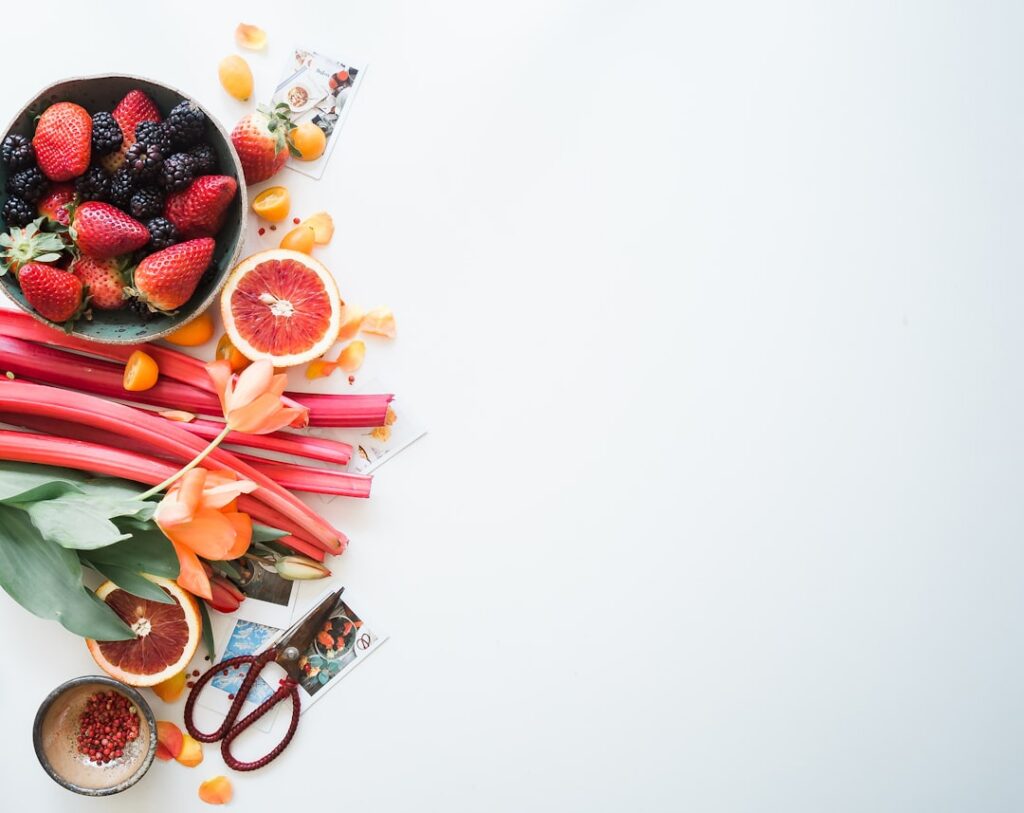
- Sources: Citrus fruits, bell peppers, broccoli, strawberries.
- Folate (Vitamin B9): Important for red blood cell formation.
- Sources: Asparagus, avocado, fortified cereals, dark leafy greens.
Supporting Your Brain: The Command Center
Your brain demands a constant supply of energy and specific nutrients to function optimally, impacting memory, focus, and mood.
- Omega-3 Fatty Acids: Crucial for brain structure and cognitive function.
- Sources: Fatty fish (salmon, mackerel), flaxseeds, chia seeds, walnuts.
- Antioxidants (e.g., Flavonoids): Protect brain cells from oxidative stress.
- Sources: Berries (blueberries, raspberries), dark chocolate, green tea.
- B Vitamins: Support neurotransmitter production and energy metabolism in the brain.
- Sources: Whole grains, eggs, legumes, leafy greens.
Nourishing Your Cells: The Building Blocks of Life
Every function in your body starts at the cellular level. Providing cells with the right building blocks and protection is paramount.
- Antioxidants: Protect cells from damage caused by free radicals.
- Sources: Colorful fruits and vegetables (rainbow diet), turmeric, green tea.
- Protein: Essential for cellular repair and growth.
- Sources: Legumes, nuts, seeds, lean meats, quinoa.
- Healthy Fats: Form integral parts of cell membranes.
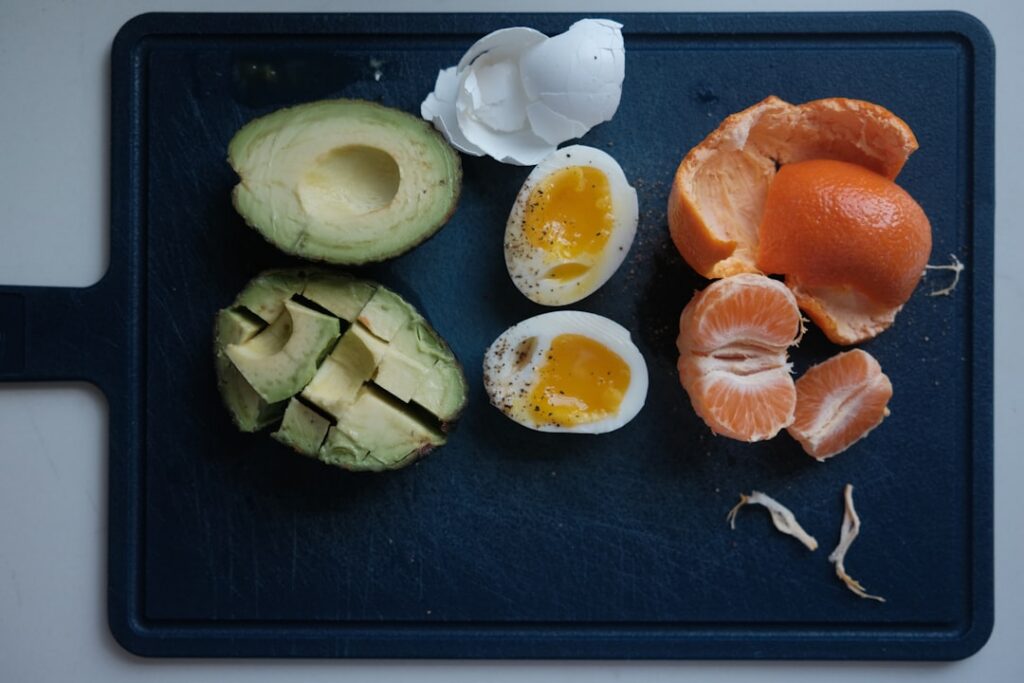
- Sources: Avocados, olive oil, nuts, seeds.
Optimizing Your Gut: The Second Brain
A healthy gut microbiome is fundamental to digestion, nutrient absorption, and even immune function and mood.
- Fiber-Rich Foods: Feeds beneficial gut bacteria and supports regularity.
- Sources: Whole grains, fruits, vegetables, legumes.
- Probiotic Foods: Introduce beneficial bacteria directly to the gut.
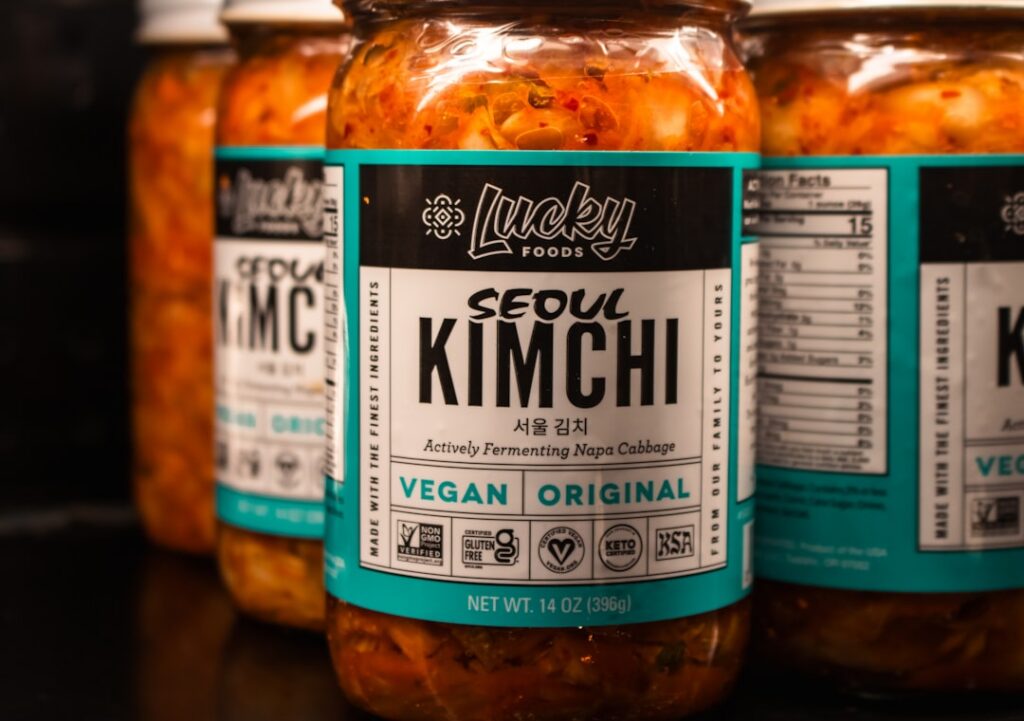
- Sources: Fermented foods like yogurt, kefir, sauerkraut, kimchi.
- Prebiotic Foods: Nurture existing beneficial bacteria.
- Sources: Garlic, onions, asparagus, bananas.
Protecting Your Heart: The Engine of Wellness
Cardiovascular health is key to longevity. A diet rich in specific nutrients can help maintain healthy blood pressure and cholesterol levels.
- Soluble Fiber: May help reduce LDL (bad) cholesterol.
- Sources: Oats, barley, apples, beans.
- Potassium-Rich Foods: Supports healthy blood pressure levels.
- Sources: Bananas, sweet potatoes, leafy greens, avocados.
- Healthy Monounsaturated & Polyunsaturated Fats: Beneficial for heart health when replacing saturated and trans fats.
- Sources: Olive oil, avocados, nuts, seeds.
Detoxifying Your Liver: The Body’s Filter
The liver performs hundreds of functions, including detoxifying harmful substances and metabolizing nutrients. Supporting its function is crucial for overall health.
- Cruciferous Vegetables: Contain compounds that support liver detoxification pathways.
- Sources: Broccoli, cauliflower, Brussels sprouts, cabbage.
- Antioxidant-Rich Foods (e.g., Glutathione precursors): Protect liver cells from damage.
- Sources: Garlic, onions, eggs, asparagus, turmeric.
- Bitter Herbs and Greens: Traditionally used to stimulate bile production, aiding digestion and detoxification.
- Sources: Dandelion greens, artichoke, arugula.
Integrating Herbal Wellness for Enhanced Support
Beyond whole foods, specific herbs can further complement your organ-nourishing diet. For instance, milk thistle is traditionally revered for liver support, while hawthorn berries are often used to support cardiovascular health. Always research and consult with a qualified health professional before incorporating new herbal remedies, especially if you have underlying health conditions or are taking medication.
The Holistic Picture: Beyond Just Food
While nutrition is a cornerstone, remember that organ health is part of a larger wellness puzzle. Adequate hydration, regular physical activity, sufficient sleep, stress management, and minimizing exposure to environmental toxins all play equally important roles in ensuring your organs can perform at their best.
Conclusion
By intentionally choosing foods that support your vital organs, you embark on a proactive journey toward enhanced well-being. This comprehensive food guide offers a roadmap to nourish your blood, brain, cells, gut, heart, and liver, empowering you to cultivate vibrant health from within. Listen to your body, enjoy the bounty of nature, and embrace the profound impact of eating for health.