Butter vs. Avocado: Your Guide to Healthy Fats
In the world of nutrition, few topics spark as much debate and curiosity as dietary fats. For decades, fats were villainized, but we now understand their crucial role in our health, energy, and nutrient absorption. Two common sources of fat often find themselves at the center of attention: butter and avocado. Both bring unique qualities to the table, but how do they stack up against each other when it comes to supporting a healthy, balanced diet?
This comprehensive guide dives deep into the nutritional profiles of butter and avocado, exploring their benefits, differences, and how to incorporate them wisely into your daily meals. Whether you’re a seasoned chef or just starting your journey to healthier eating, understanding these fats can empower you to make informed choices that align with your health goals and dietary preferences, including those on a plant-based journey looking for delicious Vegan Recipes.
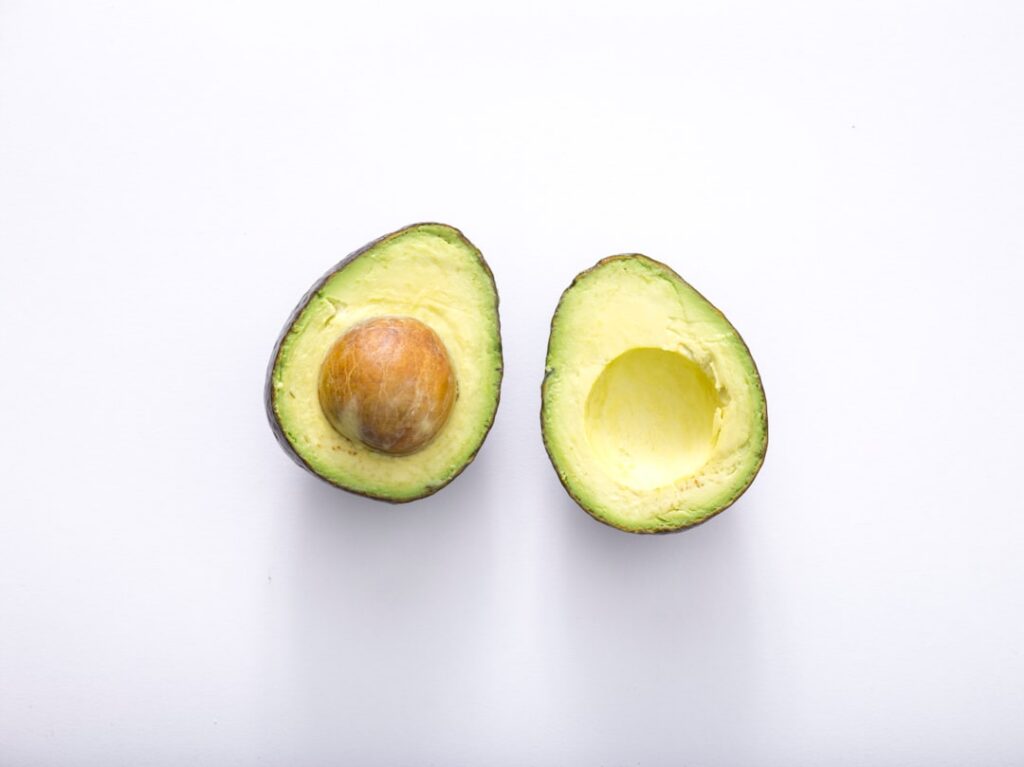
Table of Contents
- Introduction
- Comparing Butter and Avocado
- Calories and Serving Size
- Saturated vs. Unsaturated Fat
- Cholesterol Explained
- Fiber and Micronutrients
- Which Option Keeps You Fuller?
- When Butter Makes Sense
- When Avocado Is a Great Choice
- Healthy Portion Sizes
- Easy Meal Ideas
- Common Nutrition Myths
- Frequently Asked Questions
- Final Thoughts
- Disclaimer
Comparing Butter and Avocado
At first glance, butter and avocado couldn’t be more different. One is a dairy product, a solid fat derived from milk; the other is a fruit, a creamy, plant-based fat. Yet, both are calorie-dense and rich in fats, often used to add richness, flavor, and texture to dishes. Let’s break down their fundamental differences and what they offer nutritionally.
Nutritional Profile of Butter
Butter, typically made from churned cream, is primarily composed of fat, with very little protein or carbohydrates. It’s renowned for its rich flavor and texture, making it a staple in many cuisines. A typical tablespoon (about 14 grams) of unsalted butter contains:
- Calories: Approximately 100-102 kcal
- Total Fat: Around 11-12 grams
- Saturated Fat: About 7 grams
- Monounsaturated Fat: Approximately 3 grams
- Polyunsaturated Fat: Around 0.5 grams
- Cholesterol: About 30 mg
- Vitamins: Significant amounts of Vitamin A (fat-soluble, important for vision and immune function) and smaller amounts of Vitamin D, E, and K2 (depending on the diet of the cows).
It’s important to note that butter contains dairy and lactose, which can be a consideration for those with allergies or sensitivities. While often criticized for its saturated fat and cholesterol content, butter can be part of a balanced diet when consumed in moderation.
Nutritional Profile of Avocado
Avocado, often called nature’s butter, is a unique fruit packed with healthy fats, fiber, and a wide array of vitamins and minerals. Unlike most fruits, it’s low in sugar and high in fat. A typical serving, about one-third of a medium avocado (approximately 50 grams), contains:
- Calories: Approximately 80 kcal
- Total Fat: Around 7-8 grams
- Saturated Fat: About 1 gram
- Monounsaturated Fat: Approximately 5 grams (mostly oleic acid, a heart-healthy fat)
- Polyunsaturated Fat: Around 1 gram
- Fiber: About 3-4 grams (significant for digestive health and satiety)
- Cholesterol: 0 mg (as it’s a plant food)
- Vitamins and Minerals: Rich in Vitamin K (blood clotting, bone health), Vitamin C (immune function), Vitamin E (antioxidant), B-vitamins (energy metabolism), and significant amounts of potassium (blood pressure regulation), magnesium, and folate.
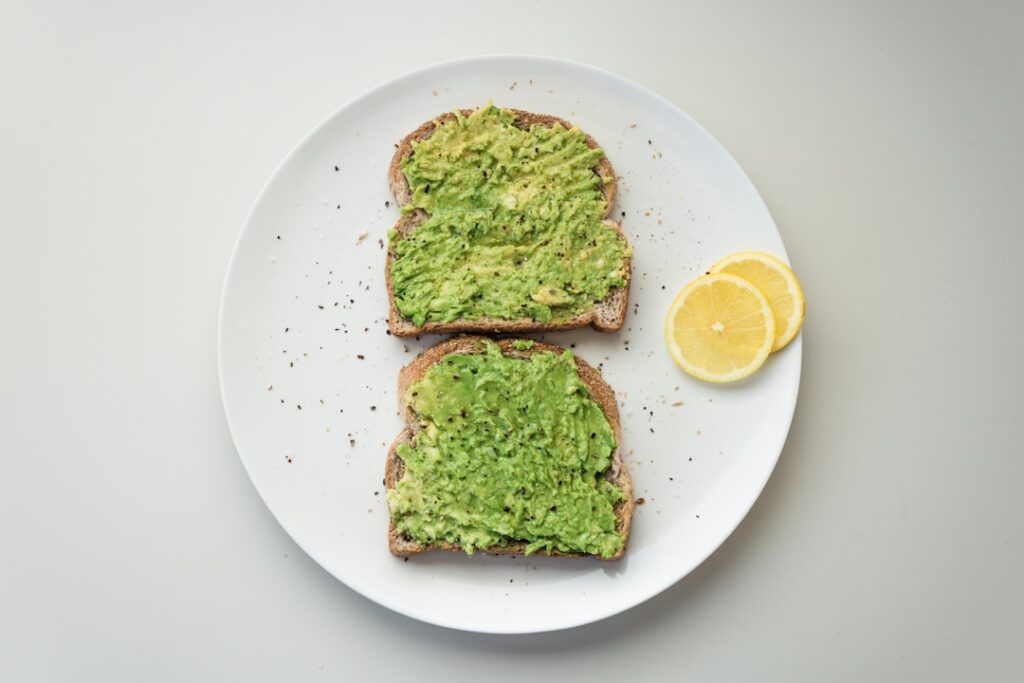
Avocado’s creamy texture and mild flavor make it incredibly versatile, suitable for savory and sweet dishes, and an excellent choice for Plant-based Nutrition.
Calories and Serving Size
When comparing butter and avocado, it’s essential to look at their caloric density and typical serving sizes. Both are calorie-dense due to their high fat content, meaning a small amount provides a significant number of calories.
As outlined above, a tablespoon of butter (14g) is about 100-102 calories, while one-third of a medium avocado (50g) is around 80 calories. While avocado appears to have fewer calories per gram, its larger serving size often means you consume more volume. Understanding these differences helps in managing your overall caloric intake, especially when incorporating these fats into Meal Prep.
The key here is moderation. Even healthy fats contribute to total calorie intake, and consuming too much of any food, regardless of its health benefits, can lead to weight gain. Focusing on appropriate portion sizes ensures you reap the nutritional benefits without overdoing it.
Saturated vs. Unsaturated Fat: The Key Difference
The most significant distinction between butter and avocado lies in their fat composition, specifically the ratio of saturated to unsaturated fats. Understanding this is crucial for making heart-healthy choices.
Understanding Saturated Fats
Saturated fats are those that are solid at room temperature. Chemically, they lack double bonds between the carbon atoms in their fatty acid chains, meaning they are