Are you one of the millions struggling to find time for a nutritious breakfast that truly fuels your body and supports your wellness goals? In our fast-paced lives, the morning rush often leads us to skip breakfast or grab less-than-ideal options. But what if there was a delicious, convenient, and incredibly versatile solution that could transform your mornings?
Say hello to the balanced healthy breakfast smoothie! Far more than just blended fruit, a well-crafted smoothie can be a powerhouse of nutrients, helping you feel full, energized, and ready to tackle your day. It’s a fantastic way to incorporate essential vitamins, minerals, fiber, and protein into your diet, setting a positive tone for healthy eating habits throughout your day.
At Remedies Wellness, we believe in empowering you with practical, evidence-based strategies for a healthier lifestyle. This comprehensive guide will walk you through everything you need to know about building the perfect healthy breakfast smoothie, from understanding key ingredients to mastering meal prep and avoiding common mistakes. We’ll explore how these vibrant concoctions can support your overall well-being, including maintaining a healthy weight, boosting energy, and improving digestion, without making any unrealistic claims about instant fixes.
Get ready to revolutionize your breakfast routine and discover the incredible potential of a truly balanced and nutritious smoothie!
Table of Contents
- Why a Balanced Smoothie Can Be Your Breakfast Game Changer
- Decoding Your Healthy Breakfast Smoothie: A Deep Dive into Key Ingredients
- The Green Powerhouse: Spinach
- The Sweet & Creamy Base: Banana
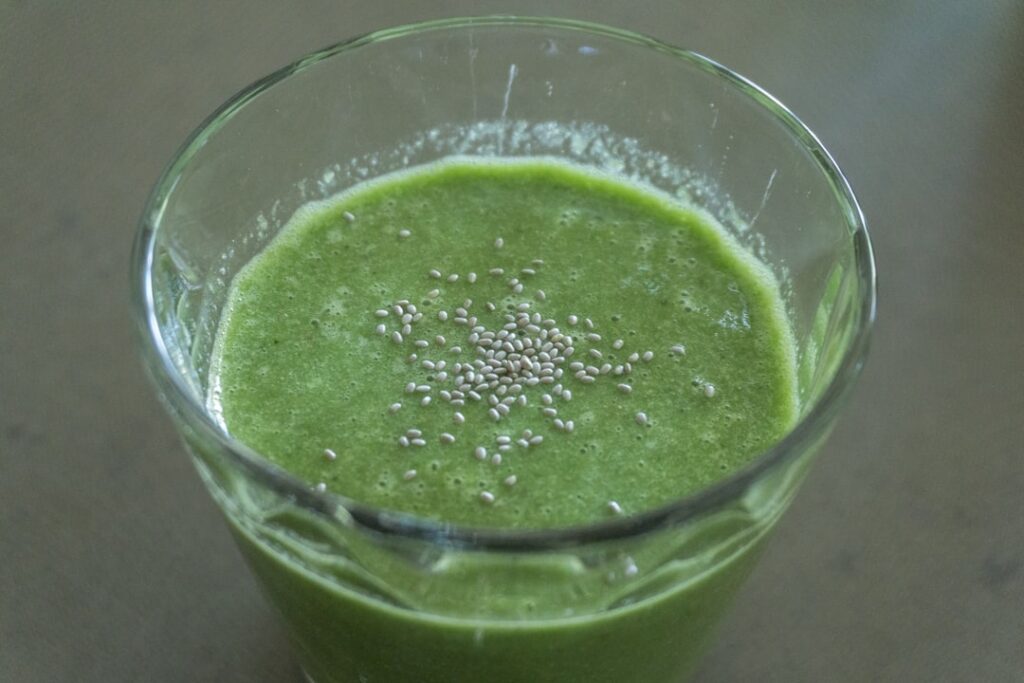
- Tiny Seeds, Mighty Benefits: Chia Seeds
- The Liquid Foundation: Unsweetened Almond Milk
- Boosting Satiety and Muscle Support: Protein Options
- Elevate Your Smoothie: Optional Add-Ins for Extra Nutrition and Flavor
- Crafting Your Perfect Smoothie: Practical Tips for Success
- The Art of Portion Control
- Smart Meal Timing: When to Enjoy Your Smoothie
- Preparing for the Week: Smoothie Meal Prep Made Easy
- Common Smoothie Mistakes to Avoid
- Fueling Your Body: Understanding the Nutrition Facts
- Beyond Smoothies: More Healthy Breakfast Ideas
- Frequently Asked Questions (FAQs)
- Final Thoughts: Embrace a Healthier Morning Routine
- Disclaimer
Why a Balanced Smoothie Can Be Your Breakfast Game Changer
In the quest for a healthy lifestyle, breakfast often takes a backseat due to time constraints or a lack of inspiration. This is where a well-designed smoothie steps in as a true hero. It’s not just about convenience; it’s about packing a significant nutritional punch that can positively impact your entire day.
Convenience Meets Nutrition
Imagine being able to prepare a nutrient-dense meal in mere minutes. That’s the beauty of a breakfast smoothie. For busy professionals, students, parents, or anyone with a packed schedule, blending a smoothie offers a quick, grab-and-go solution. This convenience helps eliminate the temptation to skip breakfast entirely or resort to less healthy, processed options. By making healthy eating easy, smoothies significantly increase the likelihood that you’ll stick to your wellness goals.
The Power of Customization
One of the greatest advantages of smoothies is their incredible versatility. They are highly customizable, allowing you to tailor them to your specific taste preferences, dietary needs, and nutritional goals. Don’t like spinach? Try kale! Allergic to nuts? Opt for seeds. Need more protein for muscle gain? Add an extra scoop of your favorite protein powder. This adaptability ensures that your breakfast remains exciting and aligned with your body’s unique requirements, preventing boredom and encouraging long-term healthy habits. It’s an ideal tool for experimenting with various functional foods and finding what works best for you.
Supporting Satiety and Energy Levels
A truly balanced smoothie, rich in fiber, protein, and healthy fats, can be a game-changer for managing hunger and sustaining energy. Fiber, found abundantly in fruits, vegetables, and seeds, adds bulk to your smoothie, promoting a feeling of fullness that lasts longer. Protein plays a crucial role in satiety, helping to reduce cravings and support muscle repair and growth, especially important for those engaged in regular physical activity. Healthy fats contribute to satisfaction and aid in the absorption of fat-soluble vitamins. Together, these components help stabilize blood sugar levels, preventing the energy crashes often associated with sugary breakfasts and keeping you focused and vibrant throughout your morning.
Decoding Your Healthy Breakfast Smoothie: A Deep Dive into Key Ingredients
Building a truly effective and nutritious smoothie involves selecting ingredients that work synergistically to provide a wide range of benefits. Let’s break down some foundational components of a fantastic healthy breakfast smoothie.
The Green Powerhouse: Spinach
Often overlooked or intimidating for smoothie beginners, spinach is a true nutritional gem that blends seamlessly into most smoothies without altering the flavor significantly. It’s an essential ingredient for boosting the micronutrient content of your morning meal.
- Nutritional Role: Spinach is incredibly rich in vitamins and minerals. It’s an excellent source of Vitamin K, essential for blood clotting and bone health, and Vitamin A (in the form of beta-carotene), crucial for vision and immune function. It also provides a good amount of Vitamin C, folate, iron, and magnesium.
- Benefits: The high fiber content in spinach aids digestion and promotes gut health. Its antioxidants, such as lutein and zeaxanthin, support eye health and help combat oxidative stress. The iron in spinach can help prevent anemia and support energy levels, while magnesium is vital for muscle and nerve function.
- Fiber and Satiety: The dietary fiber in spinach contributes to feelings of fullness, helping to curb appetite and prevent overeating later in the day. This fiber also helps slow down sugar absorption, leading to more stable blood sugar levels.
The Sweet & Creamy Base: Banana
Bananas are a popular smoothie ingredient for good reason: they add natural sweetness, a creamy texture, and a host of beneficial nutrients. Frozen bananas are particularly excellent for creating a thick, ice-cream-like consistency.
- Nutritional Role: Bananas are renowned for being a great source of potassium, an electrolyte vital for maintaining fluid balance, nerve signals, and muscle contractions. They also provide Vitamin B6, which supports brain health and the immune system, and Vitamin C.
- Benefits: The carbohydrates in bananas offer a quick and easily digestible energy source, making them ideal for pre- or post-workout fuel. Their fiber content, particularly pectin (when ripe), aids digestion and can help regulate blood sugar levels. Potassium supports heart health and can help counteract the effects of sodium on blood pressure.
- Energy: The natural sugars (fructose, glucose, sucrose) combined with fiber in bananas provide a sustained energy release, preventing sudden spikes and crashes, which is perfect for starting your day on an energetic note.
Tiny Seeds, Mighty Benefits: Chia Seeds
Don’t let their small size fool you; chia seeds are nutritional powerhouses that can significantly enhance your smoothie’s health profile and texture.
- Nutritional Role: Chia seeds are an outstanding source of fiber, omega-3 fatty acids (specifically alpha-linolenic acid or ALA), plant-based protein, and essential minerals like calcium, magnesium, and phosphorus.
- Benefits: The high fiber content promotes digestive health and can help regulate bowel movements. Omega-3 fatty acids are crucial for brain health, reducing inflammation, and supporting cardiovascular function. Their blend of protein, fiber, and healthy fats contributes significantly to satiety, helping you feel fuller for longer.
- Fiber and Satiety: When exposed to liquid, chia seeds absorb up to 10-12 times their weight, forming a gel-like substance. This property not only adds thickness to your smoothie but also expands in your stomach, contributing substantially to feelings of fullness and helping with portion control.
- Omega-3s: ALA, the plant-based omega-3 in chia seeds, is a vital polyunsaturated fatty acid that the body cannot produce on its own. It’s a precursor to other important omega-3s, supporting overall cellular health.
The Liquid Foundation: Unsweetened Almond Milk
The choice of liquid base can make a big difference in the calorie count and nutritional profile of your smoothie. Unsweetened almond milk is a popular and excellent choice.
- Nutritional Role: Unsweetened almond milk is naturally low in calories and sugar. Many brands are fortified with calcium and Vitamin D, which are essential for bone health, and Vitamin E, an antioxidant.
- Benefits: It provides a creamy texture without adding excessive sugar or saturated fat. Its neutral flavor allows the other ingredients to shine. For those who are lactose intolerant or prefer a plant-based diet, almond milk is an excellent dairy-free alternative.
- Healthy Substitutions: If almond milk isn’t your preference, consider other unsweetened options like unsweetened soy milk (for added protein), unsweetened oat milk (for a creamier texture and some fiber), unsweetened cashew milk, or even just plain water for the lowest calorie option. The key is to avoid sweetened versions, which can quickly add unnecessary sugars.
Boosting Satiety and Muscle Support: Protein Options
Protein is a critical macronutrient, especially for those looking to manage weight, build muscle, or simply feel more satisfied after their meals. Adding a quality protein source to your smoothie transforms it from a fruit snack into a complete meal.
- Importance of Protein: Protein is essential for building and repairing tissues, producing enzymes and hormones, and supporting immune function. It also has a high satiety factor, meaning it helps you feel full and satisfied for longer, which can be invaluable for controlling appetite and preventing unhealthy snacking.
- Types of Protein:
- Whey Protein: A fast-absorbing, complete protein derived from milk, rich in all essential amino acids. Ideal for post-workout recovery.
- Casein Protein: Also milk-derived, but digests slowly, providing a sustained release of amino acids.
- Plant-Based Proteins: Options like pea protein, rice protein, hemp protein, or a blend are excellent for vegans or those with dairy sensitivities. Pea protein, for instance, is a complete protein and easily digestible.
- Greek Yogurt: A natural source of protein and probiotics, adding a tangy creaminess.
- Collagen Peptides: Great for skin, hair, nails, and joint health, though not a complete protein source like whey or pea.
- Nutritional Role: Adding 20-30 grams of protein to your smoothie can significantly impact its ability to keep you full and support muscle maintenance or growth. It’s a cornerstone of balanced nutrition, contributing to stable energy levels and overall body function.
Elevate Your Smoothie: Optional Add-Ins for Extra Nutrition and Flavor
While the core ingredients create a fantastic base, these optional additions can customize your smoothie further, enhancing its nutritional profile and flavor.
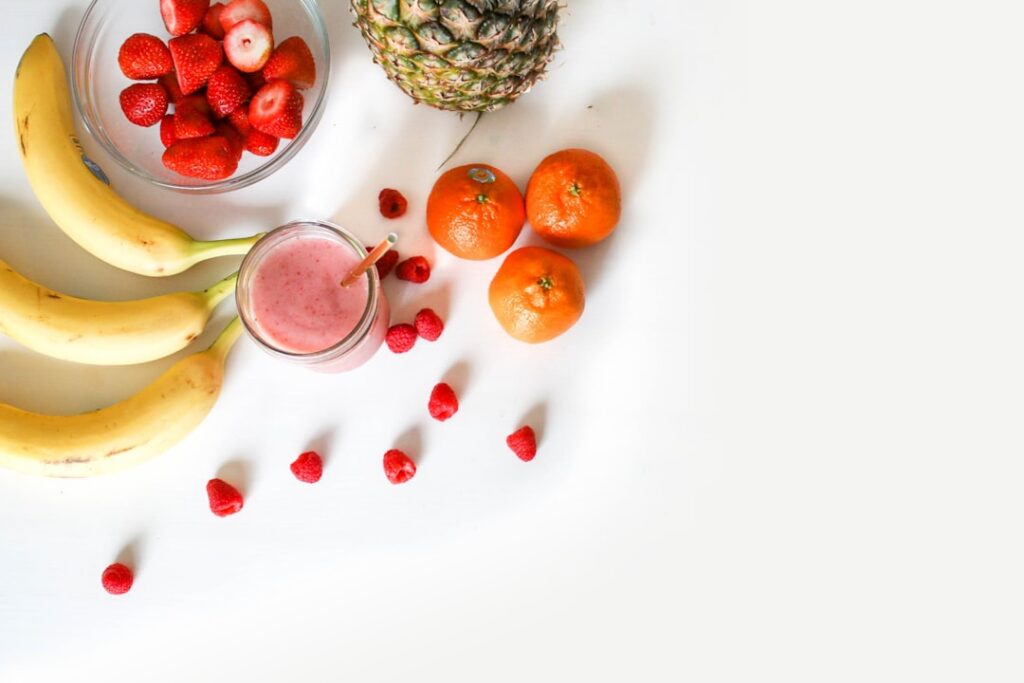
- Berries (Frozen or Fresh): Blueberries, raspberries, strawberries, and blackberries are packed with antioxidants, vitamins (especially Vitamin C), and fiber. They add natural sweetness and a vibrant color.
- Nut Butters (Almond, Peanut, Cashew): A tablespoon of natural nut butter adds healthy fats, a bit of protein, and a creamy texture. Be mindful of portion size due to their calorie density. They contribute to sustained energy and satiety.
- Oats (Rolled or Quick): A quarter cup of rolled oats adds complex carbohydrates, providing sustained energy, and extra soluble fiber, which is great for heart health and digestion. They also contribute to a thicker consistency.
- Flaxseeds (Ground): Like chia seeds, ground flaxseeds are a great source of omega-3 fatty acids (ALA) and fiber. Grinding them is essential for nutrient absorption.
- Greek Yogurt: If you’re not dairy-free, a scoop of plain Greek yogurt boosts protein and adds beneficial probiotics for gut health. It also makes the smoothie incredibly creamy.
- Avocado: A small piece of avocado (about a quarter) adds healthy monounsaturated fats, potassium, and an ultra-creamy texture without imparting a strong flavor. Excellent for satiety.
- Cacao Powder: For a chocolatey twist and an antioxidant boost. Opt for unsweetened cacao.
- Spices: A pinch of cinnamon can help regulate blood sugar, while ginger or turmeric can add anti-inflammatory benefits and a subtle kick.
Crafting Your Perfect Smoothie: Practical Tips for Success
Once you have your ingredients, mastering the art of smoothie preparation involves more than just throwing everything into a blender. Thoughtful preparation, portion control, and smart timing can elevate your smoothie experience.
The Art of Portion Control
Smoothies, while incredibly healthy, are not calorie-free. It’s easy to accidentally create a calorie bomb if you’re not mindful of portion sizes, especially with calorie-dense ingredients. Even healthy fats like nut butters and avocados, or natural sweeteners like dates and honey, can add up quickly.
Here’s how to practice portion control:
- Measure Ingredients: Don’t just eyeball it. Use measuring cups and spoons, especially for ingredients like nut butters, protein powder, and seeds.
- Balance Macronutrients: Aim for a good balance of protein, healthy fats, and complex carbohydrates. For example, a typical breakfast smoothie might contain 1-2 cups of leafy greens, 1 cup of fruit (mostly berries or half a banana), 1-2 tablespoons of seeds, 1 scoop of protein powder, and 1-1.5 cups of unsweetened liquid.
- Listen to Your Body: If your smoothie leaves you feeling overly full or sluggish, adjust ingredient amounts. If you’re still hungry, consider adding more fiber (like oats or extra greens) or protein.
Smart Meal Timing: When to Enjoy Your Smoothie
The best time to enjoy your healthy breakfast smoothie largely depends on your lifestyle and goals.
- As a Breakfast Replacement: This is the most common use. A balanced smoothie provides sustained energy and nutrients to kickstart your day. Aim to consume it within an hour or two of waking to break your overnight fast effectively.
- Pre-Workout Fuel: If you exercise in the morning, a lighter, easily digestible smoothie (perhaps with less fiber but good carbs and a little protein) can provide quick energy about 30-60 minutes before your workout.
- Post-Workout Recovery: A protein-rich smoothie consumed within 30-60 minutes after exercise helps with muscle repair and recovery, replenishing glycogen stores.
- Healthy Snack: A smaller portion of your balanced smoothie can make an excellent mid-morning or afternoon snack to bridge meals and prevent unhealthy cravings.
Preparing for the Week: Smoothie Meal Prep Made Easy
Meal prepping your smoothies is a fantastic way to save time during busy mornings and ensure you stick to your healthy eating goals. It’s an easy habit to adopt!
- Storage Recommendations:
- Pre-Portioned Bags: Combine all your dry and frozen ingredients (greens, fruit, chia seeds, protein powder) into individual freezer-safe bags. In the morning, simply dump the contents into your blender, add your liquid, and blend. This can save you precious minutes daily.
- Blended & Stored: If you prefer to blend ahead, prepare your smoothie and store it in an airtight container (like a mason jar) in the refrigerator for up to 24-48 hours. Fill the container to the very top to minimize air exposure, which can cause oxidation and nutrient loss. Give it a good shake or quick re-blend before serving.
- Freezing Tips:
- Ice Cube Trays: Blend larger batches of smoothie (or just fruit/greens) and pour into ice cube trays. Once frozen, transfer the cubes to a freezer bag. This is great for adding pre-made flavor and nutrients to new blends.
- Frozen Fruit: Always keep a stock of frozen fruits (berries, bananas, mangoes) on hand. They provide a cold, thick base without needing ice, which can dilute flavor.
Common Smoothie Mistakes to Avoid
Even with the best intentions, it’s easy to fall into traps that can turn your healthy smoothie into a less-than-optimal choice. Be aware of these common pitfalls:
- Too Much Sugar: The most frequent mistake. Excessive added sweeteners (honey, maple syrup, agave, sweetened yogurts, or fruit juices) can significantly increase sugar and calorie content, leading to blood sugar spikes and crashes. Stick to natural sweetness from whole fruits and use sweeteners sparingly, if at all.
- Too Many Calories: While healthy fats are good, too much nut butter, avocado, or coconut milk can turn a smoothie into a high-calorie meal quickly. Practice portion control with calorie-dense ingredients.
- Not Enough Fiber or Protein: A smoothie that’s just fruit and juice lacks the fiber and protein needed for satiety. This can leave you hungry soon after, defeating the purpose of a balanced breakfast. Always include greens, seeds, and a protein source.
- Not Blending Properly: Chunky smoothies are not enjoyable! Ensure your blender is powerful enough and that you blend long enough to achieve a smooth, creamy consistency. Adding liquid first, then greens, fruit, and finally protein/seeds, often helps.
- Using Only One Type of Ingredient: Relying solely on fruit can lead to a sugar-heavy drink. Vary your ingredients to ensure a wide spectrum of nutrients. Think ‘eat the rainbow’ for your smoothies too!
Fueling Your Body: Understanding the Nutrition Facts
Understanding the nutritional components of your smoothie is crucial for aligning it with your specific health and fitness goals. While we’re not providing exact nutrition facts for a single recipe (as customization is key), here’s what to consider:
- Macronutrients: A balanced smoothie should ideally contain a good mix of carbohydrates (from fruits, oats), protein (from powder, yogurt, seeds), and healthy fats (from seeds, nut butter, avocado). This balance helps provide sustained energy, satiety, and muscle support.
- Micronutrients: Think vitamins and minerals! By incorporating a variety of fruits, vegetables, and superfoods, you’ll naturally boost your intake of essential micronutrients that support everything from immune function to bone health.
- Fiber: As highlighted, fiber is paramount for digestive health, blood sugar regulation, and satiety. Aim for ingredients rich in both soluble and insoluble fiber.
- Sugars: Be mindful of natural sugars from fruits. While they come with fiber and nutrients, excessive amounts can still contribute to higher calorie intake. Always opt for unsweetened liquids and avoid added sugars.
- Reading Labels: When using packaged ingredients like protein powder, almond milk, or nut butters, always check the nutrition labels. Look for products with minimal added sugars, unhealthy fats, and artificial ingredients.
By being aware of these factors, you can consciously craft smoothies that effectively contribute to your overall dietary strategy, whether you’re focusing on muscle gain, fat loss, or simply maintaining a healthy, energetic lifestyle.
Beyond Smoothies: More Healthy Breakfast Ideas
While smoothies are fantastic, variety is the spice of life – and a healthy diet! It’s good to have other nutritious options in your breakfast repertoire to ensure you’re getting a diverse range of nutrients and keep things interesting. Here are a few other healthy breakfast ideas that align with Remedies Wellness principles:
Overnight Oats
A true meal prep superstar, overnight oats require no cooking and are ready to eat in the morning. Combine rolled oats with milk (dairy or non-dairy), chia seeds, and your favorite toppings like berries, nuts, or a drizzle of honey. The oats soften in the liquid overnight, creating a creamy and satisfying meal packed with fiber and sustained energy.
Greek Yogurt Parfaits
Layer plain Greek yogurt (high in protein and probiotics) with fresh berries, a sprinkle of granola (choose low-sugar options), and a dash of cinnamon. This provides a balanced mix of protein, complex carbohydrates, and antioxidants. It’s quick to assemble and highly customizable.
Scrambled Eggs with Veggies
For those who prefer a savory start, scrambled eggs are an excellent source of high-quality protein. Boost the nutritional value by scrambling them with plenty of colorful vegetables like spinach, bell peppers, onions, or mushrooms. Pair with a slice of whole-grain toast for complex carbs, or enjoy on its own for a low-carb option. This is a classic for muscle gain and satiety.
Whole-Grain Avocado Toast with Egg
Upgrade your standard avocado toast. Mash ripe avocado on whole-grain toast, season with salt, pepper, and red pepper flakes, then top with a fried or poached egg for added protein. This combination delivers healthy fats, fiber, and protein for a truly satisfying and nutrient-dense meal.
Frequently Asked Questions (FAQs)
Q1: Can smoothies really help with weight loss?
While no single food or drink guarantees weight loss, a balanced smoothie can be a valuable tool as part of an overall healthy eating plan. By providing a satisfying meal that’s rich in fiber and protein, it can help you feel fuller for longer, potentially reducing overall calorie intake and supporting sustainable weight management. Remember, weight loss is a complex process influenced by total calorie intake, physical activity, sleep, and consistent healthy habits, not just one meal.
Q2: How much fruit should I put in my smoothie?
A good general guideline is to use about 1 cup of fruit per serving. Prioritize berries, which are lower in sugar and high in antioxidants. If using higher-sugar fruits like bananas or mangoes, stick to about half a medium fruit. Balancing fruit with plenty of greens, protein, and healthy fats helps mitigate sugar spikes.
Q3: What are some good protein powder options for beginners?
For beginners, whey protein isolate is a popular choice due to its high protein content, low carbs/fats, and good mixability. If you prefer plant-based, unflavored pea protein is an excellent alternative, offering a complete amino acid profile. Always choose brands with minimal added sugars and artificial ingredients.
Q4: How do I make my smoothie thicker without adding too many calories?
To thicken your smoothie without excessive calories, use frozen fruit (especially frozen banana or mango chunks), a small amount of ice, and consider adding chia seeds or ground flaxseeds, which absorb liquid and expand. A tablespoon of unsweetened oats can also add thickness and fiber.
Q5: Is it better to use fresh or frozen fruit in smoothies?
Both fresh and frozen fruits are nutritious. Frozen fruit is often preferred for smoothies because it makes the smoothie colder and thicker without needing much ice, which can dilute the flavor. Freezing also locks in nutrients. Use whatever is most convenient and accessible for you.
Q6: Can I make smoothies ahead of time for the whole week?
You can definitely prep smoothie ingredients for the week by portioning dry and frozen ingredients into individual freezer bags. For fully blended smoothies, it’s best to consume them within 24-48 hours if stored in an airtight container in the refrigerator. Beyond that, nutrient degradation can occur, and the texture might change. Freezing blended smoothies in individual portions is another good option.
Q7: What if I don’t like the taste of spinach in my smoothie?
The good news is that spinach has a very mild flavor, especially when blended with fruits like banana or berries. Start with a small handful and gradually increase the amount. You can also try other mild greens like kale (baby kale is less bitter), romaine lettuce, or even cucumber, which offers a refreshing taste.
Q8: Are smoothies a good option for muscle gain?
Absolutely! Smoothies can be excellent for muscle gain, especially when fortified with sufficient protein (e.g., protein powder, Greek yogurt) and complex carbohydrates (oats, fruits). They offer an easy way to increase calorie and protein intake needed for muscle growth and provide quick recovery nutrition post-workout.
Q9: How can I make my smoothie more filling?
To make your smoothie more filling, ensure it has a good balance of fiber, protein, and healthy fats. Increase your greens, add chia seeds or ground flaxseeds, include a scoop of protein powder or Greek yogurt, and consider a tablespoon of nut butter or a quarter of an avocado. These ingredients significantly boost satiety.
Q10: What are some healthy substitutions for almond milk?
If almond milk isn’t your preference or you have allergies, excellent unsweetened substitutions include soy milk (for extra protein), oat milk (for creaminess), cashew milk, or even just water for the lowest calorie option. Ensure they are unsweetened to avoid unnecessary sugars.
Q11: Can I add vegetables other than spinach to my smoothie?
Yes, absolutely! Experiment with other vegetables like kale, cucumber, zucchini (steamed and frozen works well for creaminess), carrots, or even a small piece of cooked beetroot. Start with small amounts to gauge the flavor impact. Vegetables add a powerful nutrient boost.
Q12: Is drinking a smoothie as good as eating whole fruits and vegetables?
While smoothies are a fantastic way to increase your intake of fruits and vegetables, eating whole produce still offers unique benefits, particularly the act of chewing and the intact fiber structure. Smoothies can break down some fiber, though most remains. Ideally, a healthy diet incorporates both whole foods and well-balanced smoothies.
Final Thoughts: Embrace a Healthier Morning Routine
Incorporating a balanced healthy breakfast smoothie into your daily routine is more than just a trend; it’s a smart, sustainable strategy for enhancing your wellness journey. It offers unparalleled convenience, customizable nutrition, and a delicious way to fuel your body with vital nutrients, fiber, and protein.
Remember, the goal isn’t just a quick fix, but building lasting healthy habits. By focusing on whole, unprocessed ingredients, practicing portion control, and understanding the nutritional roles of each component, you can craft smoothies that genuinely support your energy levels, aid in satiety, and contribute positively to your overall health and fitness goals. Whether you’re aiming for improved athletic performance, effective weight management, or simply a more energetic start to your day, the power of a well-made smoothie is undeniable.
So, take the blender out, experiment with flavors, and make your morning smoothie a joyful, nourishing ritual. Your body will thank you!
Disclaimer
The information provided in this article is for general informational and educational purposes only, and is not intended as medical advice. Always consult with a qualified healthcare professional or registered dietitian before making any significant changes to your diet, starting any new fitness program, or if you have any health concerns. Individual nutritional needs may vary, and results are not guaranteed. Remedies Wellness does not claim to cure or treat any medical conditions.