Hey there, beauty besties! Are you looking for a simple, affordable way to boost your skin’s hydration and achieve that gorgeous glow? Today, we’re diving deep into a beloved household staple that’s not just for babies: baby oil! While it’s known for keeping little ones soft, this gentle gem can be a fantastic addition to your adult skincare routine, especially for tackling concerns like dryness and maintaining skin health. But let’s be clear from the start: baby oil is a fantastic moisturizer, and when used correctly, it can help your skin look and feel amazing. It doesn’t magically erase wrinkles or dark spots, but it can certainly help improve the appearance of your skin by locking in much-needed moisture.
We’re here to chat about how baby oil acts as an incredible occlusive moisturizer, helping to reduce moisture loss and improve the look of dry, parched skin. We’ll explore some easy DIY recipes that pair baby oil with other natural superstars, helping you achieve that healthy, radiant complexion you’ve always dreamed of. Get ready to transform your skincare routine with practical tips, safety advice, and a friendly guide to using baby oil like a pro!
Table of Contents
- What Is Baby Oil?
- Benefits For Dry Skin
- DIY Moisturizing Blends for Radiant Skin
- Key DIY Ingredients Explained
- How To Use Baby Oil Safely in Your Routine
- When To Avoid Baby Oil
- Proper Storage for Baby Oil
- General Safety Tips
- The Importance of Patch Testing
- Frequently Asked Questions About Baby Oil Skincare
- Final Thoughts on Baby Oil for Beautiful Skin
- Disclaimer
What Is Baby Oil?
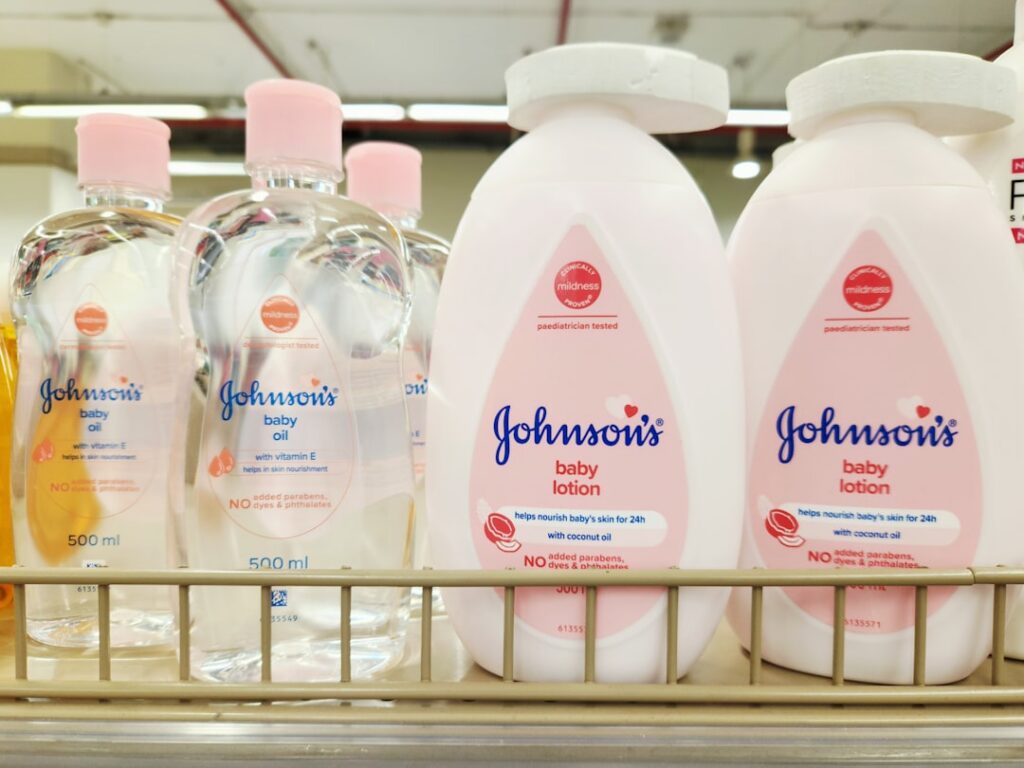
Before we dive into all the amazing ways you can use baby oil for your skin, let’s get to know what it actually is. At its core, baby oil is typically a mineral oil-based product, often with added fragrance to give it that distinct, comforting scent we all recognize. Mineral oil itself is a byproduct of petroleum distillation. Now, before any alarms go off, it’s important to understand that cosmetic-grade mineral oil is highly refined, purified, and considered safe for topical application by numerous dermatological and regulatory bodies worldwide. It’s non-comedogenic, meaning it’s unlikely to clog pores for most people, and it’s also hypoallergenic.
The primary function of mineral oil, and thus baby oil, is its exceptional occlusive property. Think of it like a clear, breathable shield for your skin. When applied, it forms a protective barrier on the skin’s surface. This barrier doesn’t add moisture to your skin, but rather, it traps existing moisture by reducing transepidermal water loss (TEWL). In simpler terms, it prevents water from evaporating from your skin, keeping it hydrated and supple. This makes it an incredibly effective moisturizer, especially for very dry or compromised skin barriers.
Many brands also include ingredients like Vitamin E acetate in their baby oil formulations, which can offer some antioxidant benefits, though the primary role remains moisture retention. It’s an ingredient that has stood the test of time, providing gentle, effective hydration for generations, and it’s time we fully embraced its potential beyond the nursery.
Baby Oil: A Deep Dive into Benefits for Dry Skin
When it comes to battling dry, flaky, or rough skin, baby oil is a secret weapon that’s often overlooked. Its occlusive nature makes it a superstar for skin hydration. Let’s break down exactly how baby oil can transform your dry skin and why it deserves a spot in your beauty arsenal.
Locks in Moisture Like a Dream
The number one benefit of baby oil for dry skin is its ability to create an effective barrier that seals in moisture. Your skin naturally loses water to the environment, especially in dry climates or during colder months. This constant evaporation leads to dryness, tightness, and a lackluster appearance. Baby oil minimizes this water loss, allowing your skin to retain its natural hydration longer. This means your skin feels softer, smoother, and more comfortable throughout the day.
Instant Softness and Suppleness
Ever notice how incredibly soft a baby’s skin is? A big part of that is consistent moisture. When applied to dry skin, baby oil immediately imparts a silky-smooth feel. It helps to smooth down rough patches and makes your skin feel more pliable and less prone to cracking or irritation. This immediate softening effect can be incredibly soothing for anyone experiencing discomfort from dryness.
Enhances the Appearance of Skin Texture
While baby oil doesn’t remove wrinkles or eliminate dark spots, well-hydrated skin always looks better! When your skin is adequately moisturized, fine lines and wrinkles appear less prominent because the skin is plumped up with water. Similarly, an even, hydrated skin surface can help minimize the starkness of dark spots, making your complexion appear more uniform and radiant. It’s all about maintaining that healthy skin barrier and preventing moisture depletion.
Furthermore, regular use of an occlusive like baby oil can support the skin’s natural barrier function. A strong skin barrier is crucial for protecting against environmental aggressors and preventing further moisture loss, which ultimately leads to healthier-looking skin. Think of it as giving your skin a helping hand to stay strong and resilient.
Soothes and Comforts Irritated Dry Skin
Dry skin can often lead to itchiness, redness, and general discomfort. The gentle, emollient nature of baby oil can provide a comforting, soothing layer to irritated skin. It helps to reduce friction and provides a protective film that can shield sensitive areas from further irritation, making it feel calmer and more relaxed.
Affordable and Accessible
One of the best things about baby oil? It’s incredibly budget-friendly and easy to find in almost any store. You don’t need to splurge on expensive creams to get effective hydration. This makes it a fantastic option for everyone, especially those looking for practical and economical skincare solutions.
In essence, baby oil is a straightforward, no-nonsense moisturizer that works by preventing moisture loss. It’s a wonderful tool for anyone looking to combat dryness, achieve softer skin, and enhance their skin’s overall appearance through consistent hydration. Remember, hydration is the foundation of healthy, glowing skin!
DIY Moisturizing Blends for Radiant Skin
Ready to take your baby oil game to the next level? While baby oil is wonderful on its own, combining it with other natural ingredients can amplify its moisturizing power and address specific concerns. Remember, these blends focus on enhanced hydration and improving skin texture, which can contribute to a healthier, more vibrant appearance. Always patch test first!
1. The “Deep Hydration & Softening” Blend
This blend is perfect for intensely moisturizing dry skin all over your body, leaving it feeling incredibly soft and smooth. It’s like a spa treatment in a bottle!
- What you need:
- 2 tablespoons of Baby Oil
- 1 teaspoon of pure Aloe Vera Gel (ensure it’s 100% pure, clear, and doesn’t contain alcohol)
- Optional: 2-3 drops of your favorite essential oil for fragrance (e.g., lavender for relaxation, chamomile for soothing, but avoid if you have sensitive skin)
- How to make: Warm the baby oil slightly in a small bowl (you can do this by placing the bowl in a larger bowl of warm water for a few minutes – never microwave oil directly). Once gently warmed, mix in the aloe vera gel until well combined. If using, add essential oil drops and stir.
- How to use: After showering or bathing, while your skin is still slightly damp, gently massage this blend all over your body, paying extra attention to dry areas like elbows, knees, and heels. The warmth of the oil helps with absorption and creates a truly luxurious experience. This locks in the water from your shower and the hydrating properties of aloe.
2. The “Nourishing Nighttime Face & Body Boost” Blend
This blend is designed to provide extra nourishment and intense hydration overnight, helping your skin recover and wake up feeling replenished and soft. While it won’t erase fine lines, consistent hydration can certainly make them appear less noticeable.
- What you need:
- 1 tablespoon of Baby Oil
- 2-3 drops of Vitamin E Oil (you can snip open a Vitamin E capsule and squeeze out the oil)
- How to make: In a small, clean container, combine the baby oil and Vitamin E oil. Stir gently to mix.
- How to use: Before bed, after cleansing your face and applying any water-based serums, take a small amount of this blend (a few drops for the face, more for the body). Gently massage onto clean, slightly damp skin. For your face, use upward, gentle motions. Allow it to absorb throughout the night. For very dry body areas, apply a more generous amount. This creates an occlusive layer that works with the Vitamin E to help keep your skin feeling supple and smooth, supporting its natural barrier.
3. The “Even Tone Support” Blend
This blend focuses on hydration to improve overall skin appearance, which can help your complexion look more even. Rosehip oil is known for its skin-nourishing properties, and when combined with baby oil, it helps provide deep moisture.
- What you need:
- 1 tablespoon of Baby Oil
- ½ teaspoon of pure Rosehip Oil
- How to make: Mix the baby oil and rosehip oil thoroughly in a small dish.
- How to use: Apply a small amount to clean, affected areas (like areas with uneven tone due to dryness) and gently massage. Leave on for 15-20 minutes, then gently blot off any excess with a soft cloth. Consistent use, combined with a good sun protection routine, can help maintain an even-looking complexion by keeping skin well-hydrated. Remember, this is for improving the appearance through hydration, not for medical treatment of hyperpigmentation.
Key DIY Ingredients Explained
Let’s take a closer look at the stars of our DIY blends and understand what they bring to your skin, always remembering their role in supporting hydration and skin health.
Baby Oil (Mineral Oil)
As we’ve discussed, baby oil’s primary function is as an occlusive agent. It creates a physical barrier on the skin’s surface that prevents water from evaporating. This is crucial for dry skin, as it helps to maintain the skin’s natural moisture levels, leading to a softer, smoother, and more supple feel. It’s bland, non-irritating for most, and an excellent carrier for other beneficial ingredients.
Vitamin E Oil (Tocopherol)
Often found in skincare products, Vitamin E is renowned for its antioxidant properties. When applied topically, it can help protect the skin from environmental stressors. In our DIY blends, Vitamin E oil works synergistically with baby oil. While baby oil seals in moisture, Vitamin E provides an extra layer of skin conditioning. It helps to keep the skin feeling soft and can contribute to a healthy-looking complexion, especially when the skin is well-hydrated. It’s a wonderful ingredient to nourish and support skin vitality.
Rosehip Oil (Rosa Canina Fruit Oil)
Rosehip oil is a truly beautiful natural oil, rich in essential fatty acids and natural Vitamin A (trans-retinoic acid). It’s highly prized in skincare for its moisturizing and skin-regenerating properties. When combined with baby oil, rosehip oil delivers a dose of these nourishing compounds. It’s often praised for its ability to support skin’s natural regeneration processes, which can contribute to a more radiant and even-toned appearance over time, particularly for skin prone to dryness or mild texture issues. By deeply moisturizing, it helps the skin look healthier and more vibrant.
Aloe Vera Gel (Aloe Barbadensis Leaf Juice)
Pure aloe vera gel is a fantastic hydrator. It’s packed with vitamins, enzymes, minerals, and amino acids, and it’s known for its soothing and moisturizing properties. Unlike oils, aloe vera provides humectant benefits, meaning it draws moisture to the skin. When mixed with baby oil, it creates a powerful hydrating duo. The aloe vera delivers immediate hydration, while the baby oil then locks that hydration in, creating a powerful barrier against moisture loss. This combination is especially soothing for parched or sun-exposed skin, helping it feel refreshed and supple.
Beauty Bestie Tip: Always opt for high-quality, pure versions of these ingredients. For aloe vera, choose a clear, 100% pure gel without added colors, alcohol, or excessive fragrance. For essential oils, ensure they are therapeutic grade if you choose to add them, and always use them sparingly.
How To Use Baby Oil Safely in Your Routine
Incorporating baby oil into your skincare routine can be wonderfully beneficial, but knowing how to use it safely and effectively is key. Here’s your bestie guide:
- For Body Moisturization: The best time to apply baby oil or a DIY blend to your body is right after a shower or bath, while your skin is still damp. This helps to trap the water on your skin, maximizing its hydrating effects. Gently massage it into your skin until absorbed.
- For Face (Carefully!): If you have very dry, non-acne-prone skin, you can use a tiny amount of baby oil or a blend on your face as a final step in your nighttime routine. Apply it after your water-based serums and moisturizers to seal everything in. Avoid the eye area if you’re sensitive. If you have oily or acne-prone skin, it’s generally best to stick to body application, or use it very sparingly as a targeted treatment for extremely dry patches.
- As a Makeup Remover: Baby oil can be an effective, gentle makeup remover, especially for stubborn eye makeup. Apply a small amount to a cotton pad and gently wipe away makeup. Always follow up with your regular cleanser to remove any residue.
- For Cuticle Care: Massage a drop onto your cuticles to soften them and promote healthy nail growth.
- For Shaving: Apply a thin layer before shaving for a smoother glide and to reduce irritation.
When To Avoid Baby Oil
While baby oil is largely gentle and well-tolerated, there are specific situations where it might not be the best choice for your skin:
- Acne-Prone or Oily Skin: While cosmetic-grade mineral oil is non-comedogenic for most, if you have very oily skin or are highly prone to breakouts, particularly on your face, baby oil might feel too heavy or contribute to congestion. It’s better to stick to lighter, water-based moisturizers.
- Open Wounds or Broken Skin: Avoid applying baby oil to open cuts, wounds, or severely broken skin. While it can form a protective barrier, it’s not designed for wound healing and could potentially trap bacteria. Always consult a healthcare professional for wound care.
- Allergy to Fragrance: Many baby oils contain added fragrances. If you have a known sensitivity or allergy to perfumes, opt for fragrance-free mineral oil or a pure, unscented baby oil if you can find one.
- Before Sun Exposure: Do not use baby oil as a tanning oil or before direct sun exposure without sunscreen. It can intensify sun rays and increase your risk of sunburn, which is incredibly damaging to your skin. Always apply a broad-spectrum sunscreen with at least SPF 30 when heading outdoors.
- Very Humid Climates: In extremely humid environments, heavy occlusives like baby oil might feel stifling on the skin and could potentially lead to heat rash in some individuals.
Proper Storage for Baby Oil
Storing your baby oil and DIY blends correctly will help maintain their efficacy and freshness. Here’s how:
- Cool, Dark Place: Store baby oil and any homemade blends in a cool, dark place away from direct sunlight and heat. Excessive heat can degrade oils and potentially affect their stability.
- Airtight Containers: For DIY blends, use clean, airtight containers, preferably dark glass bottles, to protect the ingredients from oxidation and contamination.
- Clean Utensils: When mixing your blends, always use clean, sterilized spoons or spatulas to prevent introducing bacteria into your products.
- Shelf Life: While pure mineral oil has a very long shelf life, once you start mixing it with other ingredients like Vitamin E, rosehip oil, or especially aloe vera gel (which contains water), the shelf life of your blend will decrease significantly. For blends with aloe vera, it’s best to make small batches and use them within a week or two, storing them in the refrigerator. Oil-only blends (like baby oil and Vitamin E) can last a few months, but always look for changes in smell, color, or texture as an indicator of spoilage.
General Safety Tips for DIY Skincare
Your skin is precious, so taking a few extra precautions when dabbling in DIY beauty is always a good idea:
- Source Quality Ingredients: Always purchase high-quality, pure ingredients from reputable suppliers. The quality of your raw materials directly impacts the safety and effectiveness of your final product.
- Cleanliness is Key: Ensure all your tools, containers, and hands are thoroughly clean and sanitized before mixing any ingredients. This prevents bacterial contamination, which can lead to skin issues.
- Follow Recipes: Stick to recommended proportions and don’t assume more is better. Some ingredients can be potent, and incorrect ratios might cause irritation.
- Listen to Your Skin: Pay close attention to how your skin reacts to new ingredients or blends. If you experience any redness, itching, burning, or discomfort, discontinue use immediately and gently rinse the area.
- Consult a Professional: If you have underlying skin conditions (like eczema, psoriasis, or severe acne), are pregnant, or have any concerns, it’s always best to consult with a dermatologist before introducing new products or DIY remedies into your routine.
The Importance of Patch Testing
This is probably the most crucial step when trying any new skincare product, especially a DIY blend. Even natural ingredients can cause reactions in some individuals. Patch testing helps you identify potential sensitivities before applying a product to a larger area of your skin.
How to Patch Test:
- Choose a Discreet Area: Select a small, inconspicuous patch of skin, such as behind your ear, on your inner forearm, or on the side of your neck.
- Apply a Small Amount: Apply a tiny amount of the product or blend to this area.
- Wait and Observe: Leave the product on for at least 24-48 hours. During this time, look for any signs of redness, itching, swelling, burning, or discomfort.
- Check Results: If you experience any adverse reactions, immediately wash off the product and do not use it. If there’s no reaction, you can generally proceed with using the product on a larger area, but still keep an eye out for any delayed sensitivities.
Remember, a negative patch test doesn’t guarantee you won’t react on your face, as facial skin is often more sensitive, but it significantly reduces the risk.
Frequently Asked Questions About Baby Oil Skincare
Does baby oil clog pores?
Does baby oil clog pores?
For most people, cosmetic-grade mineral oil, the main ingredient in baby oil, is considered non-comedogenic, meaning it’s unlikely to clog pores. However, if you have highly oily or acne-prone skin, especially on your face, it might feel too heavy or could potentially exacerbate existing congestion for some individuals. It’s always best to patch test and observe how your skin reacts.
Can I use baby oil on my face every day?
Can I use baby oil on my face every day?
If you have very dry, non-acne-prone skin, using a small amount of baby oil as a final occlusive step in your nighttime routine can be beneficial to lock in moisture. However, for those with oily or combination skin, daily facial use might not be ideal. Listen to your skin and adjust usage accordingly. For body, daily use after showering is generally fine for dry skin.
Is baby oil good for stretch marks?
Is baby oil good for stretch marks?
Baby oil cannot eliminate existing stretch marks, as these are a form of scarring deep within the skin. However, keeping the skin well-hydrated and supple with baby oil, particularly during periods of rapid skin stretching (like pregnancy or growth spurts), may help improve the skin’s elasticity and potentially reduce the severity or appearance of new stretch marks. For existing stretch marks, consistent hydration can make the skin feel softer and look smoother, thus improving their overall appearance, but not removing them.
Will baby oil make my skin darker?
Will baby oil make my skin darker?
No, baby oil itself does not make your skin darker. However, it can create a sheen on the skin that might give the impression of a deeper tan if used before sun exposure, or it can intensify the sun’s rays, leading to sunburn and subsequent hyperpigmentation if not protected by sunscreen. Always use broad-spectrum SPF when exposed to the sun, especially if you have applied oils.
Can I use baby oil to remove dark spots?
Can I use baby oil to remove dark spots?
Baby oil alone does not contain ingredients that directly fade dark spots (hyperpigmentation). It works primarily as an occlusive moisturizer. By deeply hydrating the skin and improving its overall texture and barrier function, it can contribute to a more even-looking complexion. Our DIY blend with rosehip oil focuses on the nourishing properties of rosehip to support healthy-looking skin, which can help improve the appearance of uneven tone, but it’s not a treatment for dark spots. For concerns about dark spots, it’s best to consult a dermatologist for targeted treatments.
Final Thoughts on Baby Oil for Beautiful Skin
Who knew such a humble product could hold so much potential for your skincare routine? Baby oil, with its simple yet powerful occlusive properties, truly is a fantastic ally in the quest for deeply hydrated, soft, and radiant skin. It’s an affordable, accessible solution that proves you don’t need a fancy budget to achieve a healthy glow. Remember, the key is understanding its role as a moisture-locking champion and using it thoughtfully and safely. Whether you use it solo or enhance it with our DIY blends featuring Vitamin E, rosehip oil, or aloe vera, you’re on your way to embracing truly beautiful skin.
We hope this comprehensive guide has empowered you to explore the benefits of baby oil with confidence. By prioritizing hydration, practicing safe application, and listening to your skin, you can unlock a world of gentle, effective skincare.
Want to try these amazing blends? Comment “Recipe” below and let us know which one you’re most excited to mix up!
Disclaimer
The information provided in this article is for general informational and educational purposes only, and is not intended as medical advice. While we aim to provide helpful and inspiring beauty tips, skincare results can vary, and individual sensitivities may exist. Always perform a patch test before applying any new product or DIY blend to a larger area of your skin. If you have any specific skin conditions, allergies, or concerns, please consult with a qualified dermatologist or healthcare professional before trying any new skincare regimen or product. Beauty Tips Daily is not responsible for any adverse reactions or consequences resulting from the use of the information or products mentioned herein.