In the quest for optimal health and nutrient density, many of us focus on common superfoods like berries, leafy greens, and lean proteins. However, there’s a powerful group of foods often overlooked, especially by those following a ketogenic lifestyle: organ meats. Far from being a niche food, organ meats are nature’s original superfoods, packed with an incredible array of vitamins, minerals, and unique compounds that are hard to find elsewhere. If you’re on a keto journey and looking to truly supercharge your nutrient intake, it’s time to explore the unsung heroes of the animal kingdom!
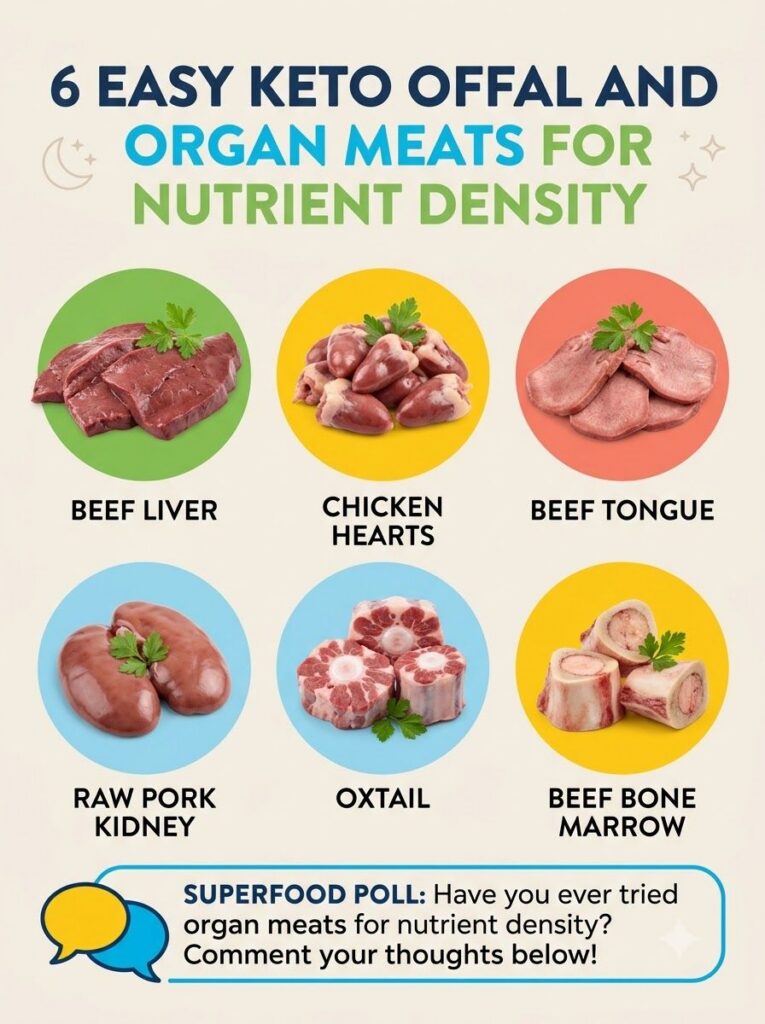
Today, we’re diving deep into 6 incredibly nutrient-dense and easy-to-incorporate organ meats that can revolutionize your keto diet. From the mighty beef liver to the comforting bone marrow, these foods offer unparalleled nutritional benefits for sustained energy, improved vitality, and overall wellness.
Why Embrace Organ Meats on a Keto Diet?
The ketogenic diet emphasizes low-carb, moderate-protein, and high-fat intake. While focusing on muscle meats, healthy fats, and non-starchy vegetables is crucial, integrating organ meats elevates your nutritional game significantly. Here’s why:
- Unmatched Nutrient Density: Organ meats are often many times more nutrient-dense than muscle meats. They are concentrated sources of vitamins A, B (especially B12, folate, and riboflavin), iron, zinc, copper, selenium, and essential fatty acids.
- Keto-Friendly Fuel: Most organ meats are naturally low in carbohydrates, making them a perfect fit for maintaining ketosis while providing a rich spectrum of micronutrients.
- Bioavailable Nutrients: The vitamins and minerals in organ meats are highly bioavailable, meaning your body can absorb and utilize them efficiently.
- Affordability: Often, organ meats are more budget-friendly than premium cuts of muscle meat, making nutrient-dense eating accessible.
The 6 Unsung Heroes: Easy Keto Organ Meats for Nutrient Power
Let’s explore these nutritional powerhouses one by one:
1. Beef Liver: The Ultimate Multivitamin
Beef liver is arguably the most nutrient-dense food on the planet. It’s often called nature’s multivitamin, and for good reason!
- Key Nutrients: Exceptionally high in Vitamin A (retinol), Vitamin B12, folate, iron, copper, and choline.
- Keto Benefits: Supports energy production, red blood cell formation, detoxification pathways, and brain health crucial for cognitive function on keto.
- Easy Prep Tips: Sautéed with onions and bacon, ground into meatballs, or hidden in a pate. Soaking in milk or lemon water for an hour can reduce its strong flavor.
2. Chicken Hearts: Tiny Powerhouses
Don’t let their size fool you! Chicken hearts are small but mighty, offering a surprisingly delicious and nutrient-rich addition to your diet.
- Key Nutrients: Excellent source of B vitamins (especially B12), iron, zinc, and coenzyme Q10 (CoQ10), which is vital for cellular energy and heart health.
- Keto Benefits: Boosts energy, supports cardiovascular health, and provides essential minerals without excess carbs.
- Easy Prep Tips: Skewered and grilled, pan-fried with garlic and herbs, or added to stews and stir-fries. They cook quickly!
3. Beef Tongue: Tender & Flavorful
Beef tongue might sound intimidating, but when cooked properly, it’s incredibly tender, flavorful, and versatile, making it a keto-friendly delight.
- Key Nutrients: Rich in fat, zinc, iron, choline, and B vitamins, particularly B12 and niacin.
- Keto Benefits: Provides satiety with healthy fats and supports nerve function and metabolism.
- Easy Prep Tips: Traditionally slow-cooked or braised until fork-tender, then sliced and served in wraps, salads, or as a standalone dish.
4. Pork Kidney: A Detox Champion
While some might find kidneys challenging, they are a fantastic source of nutrients that support the body’s natural detoxification processes.
- Key Nutrients: High in selenium, riboflavin (B2), B12, iron, and zinc.
- Keto Benefits: Supports thyroid function, energy metabolism, and immune health.
- Easy Prep Tips: Often used in traditional stews or sautéed quickly after being thoroughly cleaned and trimmed. Soaking in water or brine can help mellow the flavor.
5. Oxtail: Collagen-Rich & Comforting
Oxtail, the tail of cattle, is a collagen powerhouse that transforms into a rich, gelatinous, and incredibly flavorful dish when slow-cooked. It’s a keto comfort food dream!
- Key Nutrients: Abundant in collagen, gelatin, healthy fats, iron, and B vitamins.
- Keto Benefits: Promotes joint health, gut integrity, healthy skin, hair, and nails due to its high collagen content. The fats are excellent for ketosis.
- Easy Prep Tips: Best slow-braised or stewed until the meat falls off the bone. Perfect for hearty keto soups and stews.
6. Beef Bone Marrow: The ‘Butter of the Gods’
Often referred to as the ‘butter of the gods,’ bone marrow is a decadent, nutrient-dense fat source that’s incredibly simple to prepare and deliciously keto-friendly.
- Key Nutrients: Rich in healthy fats, collagen, glycine, and essential minerals like calcium, magnesium, and phosphorus.
- Keto Benefits: Provides a significant source of healthy fats for energy, supports gut healing, and contributes to strong bones and joints.
- Easy Prep Tips: Roasted in the oven until soft and buttery, then scooped out and spread on keto crackers, vegetables, or enjoyed straight from the bone.
How to Incorporate Organ Meats into Your Keto Diet
Ready to give these unsung heroes a try? Here are some practical tips:
- Start Small: If you’re new to organ meats, begin with milder options like chicken hearts or bone marrow.
- Mix and Mince: Incorporate finely minced liver or kidney into ground beef for meatballs, meatloaf, or burgers. This can significantly mask the flavor.
- Pâté Power: A well-made liver pâté is a delicious and easy way to consume liver regularly.
- Slow Cooking is Your Friend: Braising or stewing tougher cuts like tongue and oxtail makes them incredibly tender and flavorful.
- Source Wisely: Opt for grass-fed, pasture-raised organ meats when possible to ensure the highest nutrient quality and avoid unwanted toxins.
- Flavor Boosters: Use plenty of herbs, spices, onions, and garlic to enhance the flavor profiles.
Embrace Nature’s Ultimate Nutrition
Incorporating organ meats into your keto diet is a powerful step towards achieving optimal nutrient density and experiencing enhanced vitality. These unsung heroes offer a wealth of essential vitamins and minerals that can support your energy levels, cognitive function, and overall well-being. Don’t be afraid to experiment and discover the delicious and health-boosting potential they hold!
Have you ever tried organ meats for nutrient density? What are your favorite ways to prepare them on a keto diet? Share your thoughts and experiences in the comments below!