Imagine a world where your plate isn’t just about sustenance, but about profound nourishment for every part of your being. This isn’t a futuristic dream; it’s the ancient wisdom of eating for organ health and vitality. Our bodies are intricate machines, and just as a garden needs specific nutrients to flourish, our vital organs thrive on the right fuel.
Many cultures have long recognized the intuitive connection between certain foods and the organs they benefit, sometimes even noticing striking visual resemblances that echo nature’s design. This article explores how specific, healthy aesthetic foods can directly support your internal systems, helping you cultivate lasting health and vibrant energy from the inside out.
Join us as we dive into eight remarkable food-organ pairings that can transform your diet and supercharge your wellness journey. Prepare to discover the powerful connection between what’s on your plate and the health of your most vital organs!
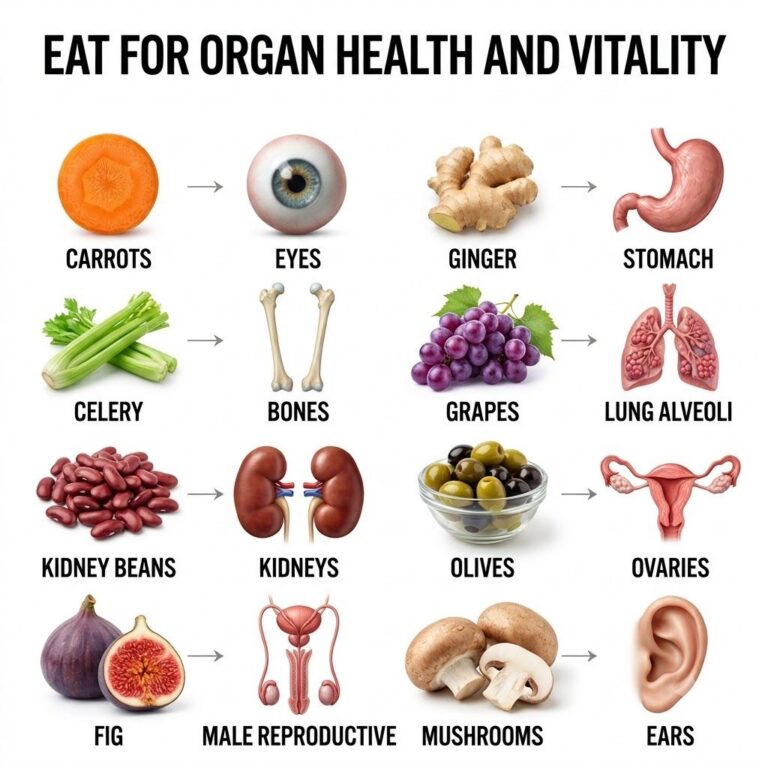
Carrots for Keen Eyesight and Beyond
You’ve likely heard that carrots are good for your eyes, and there’s a profound truth to this age-old advice. Beyond their visual resemblance to the human eye when sliced (even down to the radial lines mimicking the iris and pupil), carrots are a powerhouse for vision.
- Nutritional Boost: Carrots are exceptionally rich in beta-carotene, a precursor to Vitamin A. This essential nutrient is critical for maintaining healthy eyesight, especially in low light conditions, and protecting the retina. They also contain lutein and zeaxanthin, powerful antioxidants that accumulate in the retina and help shield your eyes from harmful blue light and oxidative stress.
- How to Incorporate: Enjoy carrots raw as a crunchy snack, add them to salads, roast them as a side dish, or blend them into fresh juices. Pairing them with a healthy fat, like a drizzle of olive oil, can enhance the absorption of fat-soluble Vitamin A.
Celery for Strong Bones
Observe a stalk of celery, and you might notice its uncanny resemblance to human bones. This isn’t just a coincidence; celery offers a significant nutritional profile that directly benefits our skeletal system.
- Nutritional Boost: Celery is an excellent source of silicon, a trace mineral vital for strengthening bones and joints, contributing to bone density and elasticity. It also provides Vitamin K, which is crucial for bone protein formation and mineralization, as well as calcium, a fundamental building block of bone tissue. Its anti-inflammatory properties can further support joint health.
- How to Incorporate: Snack on celery sticks with hummus, add chopped celery to soups, stir-fries, or salads, or include it in your daily green juice for a refreshing bone-supporting boost.
Kidney Beans for Robust Kidney Function
Perhaps one of nature’s most direct visual cues, kidney beans are shaped almost identically to the human kidney. This resemblance is more than superficial; these legumes are a nutritional ally for kidney health.
- Nutritional Boost: Kidney beans are packed with soluble and insoluble fiber, which can help regulate blood sugar levels and lower cholesterol, both crucial for preventing kidney disease. They also provide magnesium, B vitamins, and plant-based protein, supporting overall renal function. Their antioxidant content helps protect kidney cells from damage.
- How to Incorporate: Kidney beans are incredibly versatile. Add them to hearty stews, chili, salads, or create a flavorful bean burger. For optimal benefits, consider soaking dried beans before cooking to improve digestibility and nutrient absorption.
Grapes for Healthy Lungs
Look closely at a cluster of grapes, and you’ll see a resemblance to the alveoli—the tiny air sacs in our lungs responsible for oxygen exchange. Grapes, especially darker varieties, are celebrated for their benefits to respiratory health.
- Nutritional Boost: Grapes are rich in resveratrol, a potent antioxidant and anti-inflammatory compound, alongside various flavonoids. These compounds help protect lung tissue from damage caused by environmental pollutants and oxidative stress, potentially improving overall respiratory function and reducing inflammation.
- How to Incorporate: Enjoy grapes as a refreshing snack, add them to fruit salads, blend them into smoothies, or freeze them for a cool treat. Their natural sweetness makes them a delightful and healthy addition to any diet.
Figs for Male Reproductive Health
When opened, the fig fruit often reveals a shape that evokes the male reproductive organs, particularly the testicles. Beyond this visual similarity, figs offer a wealth of nutrients beneficial for male vitality.
- Nutritional Boost: Figs are a good source of zinc, a mineral essential for testosterone production and sperm health, and magnesium, which supports muscle function and energy. They also provide fiber, iron, and potassium, all contributing to overall well-being and reproductive system support.
- How to Incorporate: Eat fresh figs when in season, or enjoy dried figs year-round. They make a great addition to oatmeal, yogurt, salads, or as a natural sweetener in desserts.
Ginger for Digestive Harmony (Stomach)
The gnarled and unique shape of ginger root bears a subtle resemblance to the human stomach, an organ where ginger performs some of its most renowned work. This pungent root is a digestive superstar.
- Nutritional Boost: Ginger contains active compounds called gingerols and shogaols, which are responsible for its powerful anti-inflammatory and antioxidant effects. These compounds are highly effective at soothing stomach upset, reducing nausea, aiding digestion, and alleviating bloating and gas.
- How to Incorporate: Add fresh grated ginger to stir-fries, soups, and marinades. Brew ginger tea by steeping slices in hot water, or blend a small piece into your morning smoothie for a zesty, digestive boost.
Olives for Female Reproductive Health (Ovaries)
The small, oval shape of olives can be likened to the human ovaries, and these fruits of the olive tree offer significant benefits for female reproductive health.
- Nutritional Boost: Olives are renowned for their healthy monounsaturated fats (especially oleic acid), which are crucial for hormone production and balance. They are also a good source of Vitamin E and various antioxidants, which protect cells, including those in the reproductive system, from oxidative damage. These nutrients can support overall fertility and gynecological well-being.
- How to Incorporate: Snack on whole olives, add them to salads, pasta dishes, or pizzas. Incorporate high-quality extra virgin olive oil into your cooking and dressings for its concentrated health benefits.
Mushrooms for Auditory Wellness (Ears)
Many varieties of mushrooms, especially when sliced, bear a striking resemblance to the human ear. Beyond this visual cue, mushrooms contribute to overall health in ways that can indirectly support auditory function.
- Nutritional Boost: Mushrooms are unique among plant-based foods for their ability to provide Vitamin D, particularly when exposed to UV light. Vitamin D is vital for bone health, including the tiny bones within the inner ear, and supports a robust immune system. A strong immune system is key to protecting against ear infections and maintaining general ear health. They also offer potent antioxidants.
- How to Incorporate: Sauté mushrooms for a side dish, add them to omelets, stir-fries, or soups. Choose a variety of edible mushrooms for a diverse range of nutrients and flavors.

Your Plate, Your Power
Embracing a diet rich in these naturally fortifying foods is a powerful step towards achieving optimal organ health and vitality. Nature truly provides us with incredible resources, often giving us visual clues to their inherent benefits. By consciously choosing foods that nourish your body’s vital systems, you’re investing in a future of sustained energy, robust health, and a profound sense of well-being.
Frequently Asked Questions About Organ-Supporting Foods
Q: Can these foods cure existing organ diseases?
A: While these foods offer significant support for organ health, they are not a cure for existing diseases. They are best used as part of a balanced diet for prevention and overall wellness. Always consult a healthcare professional for specific medical conditions.
Q: How quickly will I see the benefits of eating these foods?
A: The benefits of a nutrient-rich diet accumulate over time. Consistent consumption as part of a healthy lifestyle will contribute to long-term organ health and vitality, rather than immediate, dramatic changes.
Q: Are there any specific cooking methods that enhance the benefits of these foods?
A: Generally, gentle cooking methods like steaming, light sautéing, or roasting help preserve nutrient content. Eating some foods raw, like carrots and celery, also provides maximum benefits. Pairing fat-soluble vitamins (like Vitamin A in carrots) with healthy fats can improve absorption.
Final Thoughts
Understanding the deep connection between the foods we eat and the health of our organs empowers us to make smarter, more intentional dietary choices. By incorporating these nature-designed foods into your daily routine, you’re not just eating; you’re actively building a foundation for incredible organ health and vitality. Let your plate be your power, guiding you towards a healthier, more vibrant life.