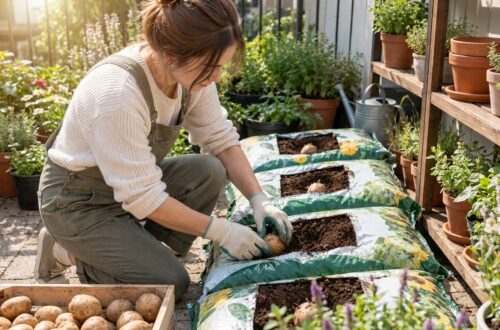
Are you dreaming of a bountiful harvest of large, flavorful onions from your garden? Growing robust, healthy onions can be incredibly rewarding, but it often comes with a few common challenges. One of the most crucial, yet often overlooked, factors in achieving those impressive bulbs is mastering the art of planting depth. Get this right, and you’ll be well on your way to a record onion yield!
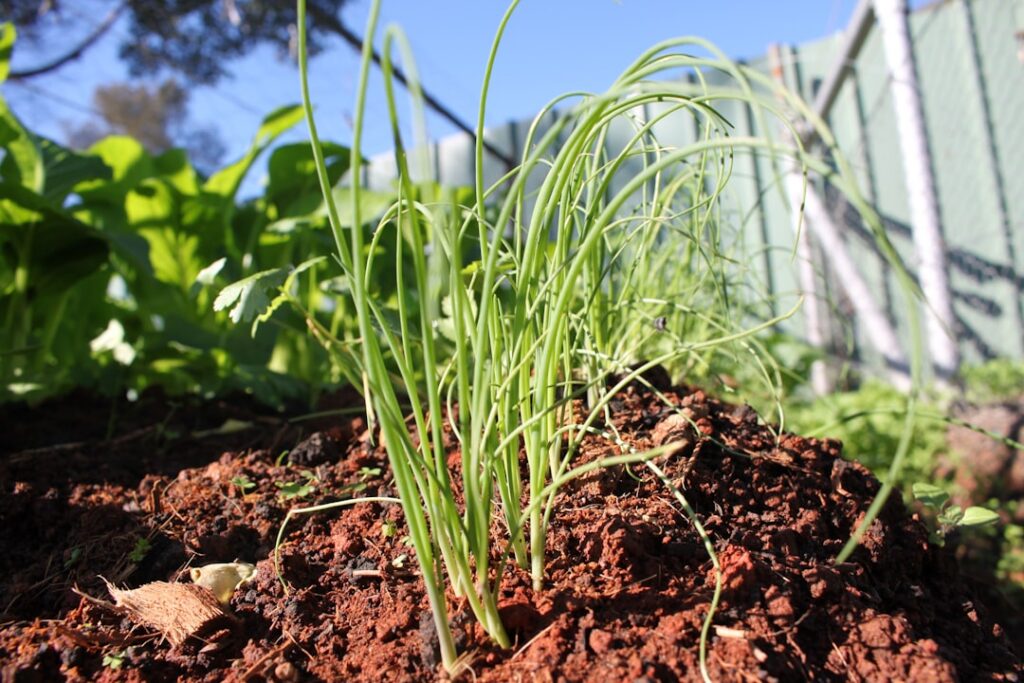
Why Planting Depth is a Game-Changer for Onions
Onions are unique in how their bulbs form. Unlike root vegetables that grow entirely underground, an onion bulb develops partially above the soil line. The planting depth directly impacts how much space the bulb has to expand and how efficiently the plant can draw nutrients and water.
- Bulb Formation: Planting too deep can hinder the bulb’s ability to properly expand and mature, leading to smaller, elongated, or malformed onions. The bulb needs to be able to push outwards and upwards.
- Root Development: While deep enough to anchor the plant, the root system also needs access to oxygen. Optimal depth encourages a strong, widespread root system without suffocating it.
- Disease Prevention: Correct depth ensures proper air circulation around the developing bulb, reducing the risk of fungal diseases and rot, especially in moist conditions.
The Ideal Planting Depths for Different Onion Types
The perfect planting depth can vary slightly depending on whether you’re starting from seeds, sets, or transplants.
1. Onion Sets (Small Bulblets)
Onion sets are miniature bulbs grown from seed the previous year. They are the easiest way for beginners to grow onions.
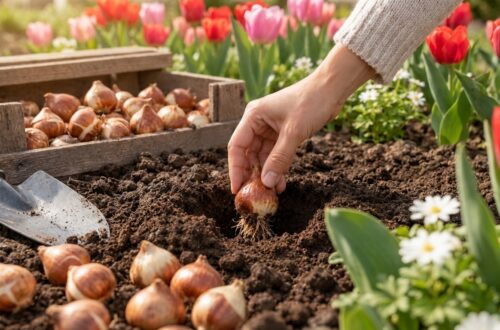
- Depth: Plant onion sets shallowly, with the tip of the bulb just barely covered by about 1 inch (2.5 cm) of soil. Some gardeners even leave the very tip exposed.
- Why: This shallow planting allows the bulb ample room to expand outwards and upwards as it matures. Burying them too deep can prevent proper bulbing.
2. Onion Transplants (Young Plants)
Transplants are young onion plants, often purchased from a nursery or started indoors from seed.
- Depth: Plant onion transplants so that the base of the white part of the plant is at the soil surface, with the roots spread out below and the green leafy top standing proud. Aim for about 1-2 inches (2.5-5 cm) deep.
- Why: Similar to sets, you want to give the developing bulb space. Burying too much of the white stem can lead to a long neck and smaller bulbs.
3. Onion Seeds
Growing onions from seed offers the widest variety but requires more patience.
- Depth: Onion seeds are tiny, so they only need to be planted very shallowly, about 1/4 to 1/2 inch (0.6-1.2 cm) deep. Lightly cover them with fine soil.
- Why: Seeds need warmth and light to germinate. Planting them too deep can prevent them from pushing through the soil, leading to poor germination rates.
Step-by-Step Guide to Planting Onions Correctly
- Prepare Your Soil: Onions thrive in loose, well-drained soil rich in organic matter. Amend heavy clay soils with compost to improve drainage and aeration. A pH between 6.0 and 7.0 is ideal.
- Choose Your Method: Decide whether you’ll plant sets, transplants, or seeds based on your experience and desired varieties.
- Dig Furrows or Holes: For sets and transplants, create shallow furrows or small holes at the appropriate depth. For seeds, a shallow line in the soil is sufficient.
- Space Them Right: Space onion sets or transplants about 4-6 inches (10-15 cm) apart in rows that are 12-18 inches (30-45 cm) apart. If planting seeds, sow them more densely and thin them to 4-6 inches apart once they are established.
- Place and Cover: Gently place your sets, transplants, or seeds, ensuring they are at the correct depth. Lightly cover with soil, pressing down gently to remove air pockets.
- Water Thoroughly: Water immediately after planting to settle the soil and give your onions a good start.
Beyond Depth: Other Essential Tips for Bountiful Onions
While planting depth is crucial, it’s just one piece of the puzzle for growing magnificent onions. Here are other factors to consider:
- Sunlight: Onions need at least 6-8 hours of full sun per day.
- Watering: Keep the soil consistently moist, especially during bulb formation. Avoid waterlogging.
- Fertilization: Provide a balanced fertilizer when planting, and consider a boost of phosphorus and potassium during bulb development. Avoid excessive nitrogen late in the season, which promotes leafy growth over bulb growth.
- Weeding: Onions don’t like competition! Keep your onion patch free of weeds, as they compete for nutrients and water.
- Mulching: A light layer of mulch can help retain moisture, suppress weeds, and regulate soil temperature.
Harvesting Your Hard Work
You’ll know your onions are ready to harvest when their tops start to yellow and fall over. Gently loosen the soil around the bulbs and lift them. Cure them in a warm, dry, well-ventilated area for a few weeks before storing to ensure they last longer.
By paying close attention to planting depth and providing the right conditions, you’ll be amazed at the size and quality of the onions you can grow right in your backyard. Happy gardening!