Struggling to get a good night’s sleep? You’re not alone. Many factors can disrupt our precious rest, but one often overlooked culprit might be what you’re sipping on in the evening. We often focus on obvious sleep saboteurs like coffee, but there are several unexpected beverages that could be silently sabotaging your journey to a restful night. Let’s uncover these hidden triggers and empower you to make more sleep-friendly choices.
Understanding what you consume before bed is a powerful step towards improving your sleep quality. This isn’t just about avoiding a jolt of caffeine; it’s about understanding how different ingredients can impact your body’s natural sleep cycle, from hormone regulation to digestive processes.
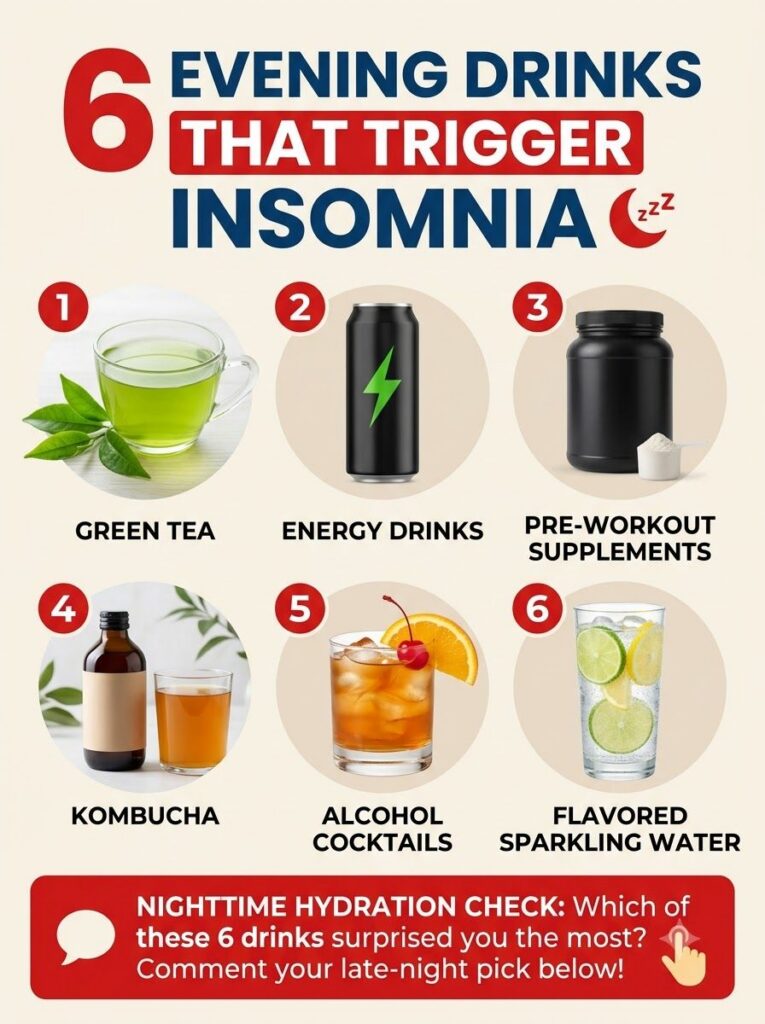
The Unexpected Sleep Saboteurs
Here are six evening drinks that might be keeping you tossing and turning, along with insights into why they can be problematic and what healthier alternatives you can consider.
1. Green Tea
While celebrated for its antioxidants and health benefits, green tea, like black tea, contains caffeine. Although generally lower than coffee, the caffeine content can still be significant enough to interfere with sleep, especially for those who are sensitive. Caffeine blocks adenosine, a neurotransmitter that promotes sleep, making it harder to fall and stay asleep.
- Why it’s a culprit: Contains caffeine, which stimulates the central nervous system.
- Better evening choice: Herbal teas like chamomile, valerian root, or peppermint, which are naturally caffeine-free and promote relaxation.
2. Energy Drinks
This might seem obvious, but energy drinks are specifically designed to give you a boost, and they do so with a potent combination of high caffeine, sugar, and often other stimulants like taurine and guarana. Consuming these in the evening can lead to a prolonged period of alertness and an elevated heart rate, making sleep nearly impossible.
- Why it’s a culprit: Extremely high in caffeine and sugar, plus other stimulating ingredients.
- Better evening choice: Plain water or a soothing herbal tea.
3. Pre-workout Supplements
Designed to amp up your energy and focus for exercise, pre-workout supplements are typically packed with caffeine, amino acids (like beta-alanine, which can cause tingling), and other stimulants. Taking these even a few hours before bedtime can drastically disrupt your sleep cycle due to their stimulating effects on your nervous system.
- Why it’s a culprit: High concentrations of caffeine and other stimulants intended to increase energy and alertness.
- Better evening choice: If you work out in the evening, stick to water and a light, easily digestible snack.
4. Kombucha
Kombucha, a fermented tea, is renowned for its probiotic benefits for gut health. However, it’s still made from tea, which means it contains natural caffeine. The fermentation process also produces trace amounts of alcohol, and some commercial kombuchas can have higher levels. For sensitive individuals, both the caffeine and the potential stimulating effects of fermentation can hinder sleep.
- Why it’s a culprit: Contains residual caffeine from the tea base and trace amounts of alcohol.
- Better evening choice: Water, caffeine-free herbal teas, or a small glass of milk (warm or cold).
5. Alcohol Cocktails
Many people believe a nightcap helps them sleep, and while alcohol might induce drowsiness initially, it significantly disrupts sleep quality later in the night. It interferes with REM sleep, the most restorative stage, and can lead to fragmented sleep, frequent waking, and increased snoring. It also dehydrates you, which can contribute to restless sleep.
- Why it’s a culprit: Disrupts REM sleep, causes fragmented sleep, and has a diuretic effect.
- Better evening choice: A relaxing cup of herbal tea or warm water with a slice of lemon.
6. Flavored Sparkling Water
While seemingly innocent, some flavored sparkling waters can be problematic due to artificial sweeteners, artificial flavors, and sometimes even hidden caffeine. Artificial sweeteners have been linked to potential gut microbiome disruptions and could indirectly affect sleep for some individuals. Always check the ingredient label carefully.
- Why it’s a culprit: May contain artificial sweeteners, artificial flavors, or even undisclosed caffeine.
- Better evening choice: Plain sparkling water with a squeeze of fresh lemon or lime, or infused with natural fruit slices like cucumber or berries.
Cultivating Better Sleep Habits
Beyond avoiding these evening drinks, here are some holistic tips to enhance your sleep hygiene:
- Maintain a Consistent Sleep Schedule: Go to bed and wake up at the same time each day, even on weekends.
- Create a Relaxing Bedtime Routine: This could include a warm bath, reading a book, or gentle stretching.
- Optimize Your Sleep Environment: Ensure your bedroom is dark, quiet, and cool.
- Limit Screen Time Before Bed: The blue light emitted from screens can suppress melatonin production.
- Engage in Regular Physical Activity: But avoid intense workouts too close to bedtime.
Conclusion
Improving your sleep isn’t always about grand gestures; sometimes, it’s the small, mindful changes that make the biggest difference. By being aware of how certain evening drinks can impact your body, you can make informed choices that support your health and lead to more restful nights. Give your body the calm, restorative sleep it deserves by opting for truly soothing beverages in the hours leading up to bedtime.
Which of these drinks surprised you the most as a potential sleep saboteur? Share your thoughts below!