Are you struggling to get a good night’s rest? While many factors can influence sleep quality, the drinks you consume in the evening often play a far more significant role than you might realize. Many of us unknowingly reach for beverages that, despite seeming harmless or even healthy, can secretly sabotage our sleep. It’s time to uncover what’s truly disrupting your rest and reclaim your precious sleep.
This article will shed light on 6 evening drinks secretly ruining your sleep, helping you identify common culprits that may be keeping you awake. Understanding the hidden impacts of these beverages is the first step toward improving your nighttime routine and enjoying deeper, more restorative sleep.
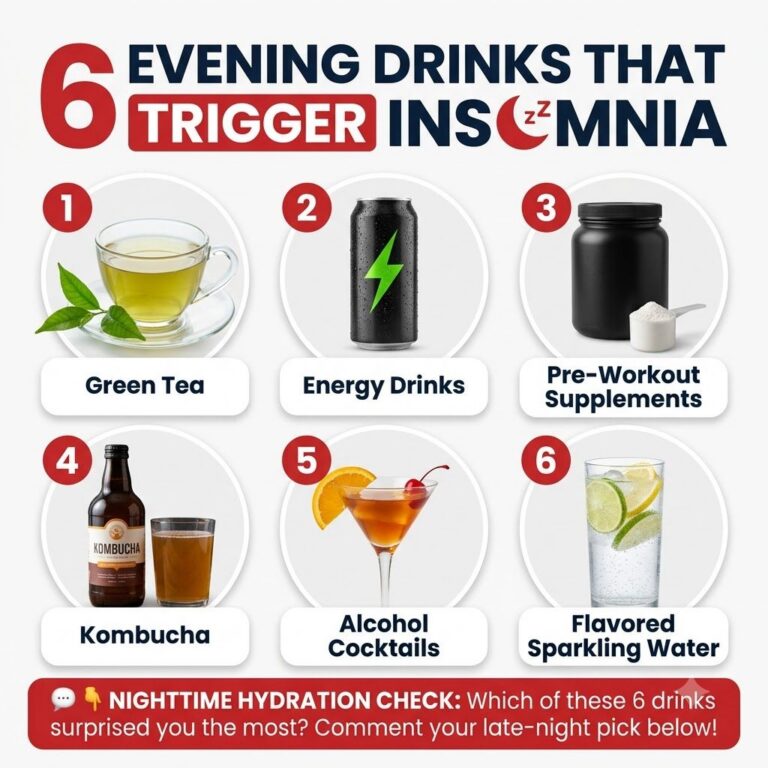
The 6 Evening Drinks Secretly Sabotaging Your Slumber
Here are six common evening drinks that could be negatively impacting your ability to fall asleep and stay asleep:
1. Green Tea
While celebrated for its numerous health benefits, green tea contains caffeine. Although the caffeine content is typically lower than coffee, consuming it in the evening can still be enough to stimulate your nervous system and interfere with melatonin production, the hormone essential for sleep. The stimulating effects of caffeine can linger for several hours, making it difficult to wind down.
2. Energy Drinks
This might seem obvious, but many people underestimate just how long the effects of energy drinks can last. Packed with very high levels of caffeine, often combined with other stimulants like taurine and guarana, energy drinks are designed to keep you alert. Consuming them in the evening can lead to severe sleep disruption, racing thoughts, and a significantly longer time to fall asleep.
3. Pre-Workout Supplements
Designed to boost energy and focus for exercise, pre-workout supplements are loaded with stimulants such as caffeine, beta-alanine, and various nootropics. While effective for an afternoon workout, taking them too close to bedtime can elevate your heart rate, increase alertness, and make peaceful sleep nearly impossible. Always check the timing and stimulant content of your supplements.
4. Kombucha
Kombucha, a fermented tea, is often touted for its probiotic benefits. However, because it’s made from tea (often black or green tea), it naturally contains caffeine. The caffeine content can vary by brand and brewing process, but even a small amount can be enough to interfere with sleep for sensitive individuals. Additionally, some kombuchas have added sugars which can also indirectly affect sleep quality.
5. Alcohol Cocktails
Many mistakenly believe alcohol helps with sleep because it can induce drowsiness. While a cocktail might make you feel sleepy initially, it severely disrupts the sleep cycle, particularly REM sleep, which is crucial for cognitive function and emotional regulation. Alcohol can lead to fragmented sleep, frequent awakenings, and less restorative rest as your body works to metabolize it throughout the night.
6. Flavored Sparkling Water
While often seen as a healthy alternative to sugary sodas, not all flavored sparkling waters are created equal. Some contain hidden caffeine, while others rely on artificial sweeteners. Artificial sweeteners may disrupt gut health, which is increasingly linked to sleep quality. Furthermore, the carbonation itself can cause bloating and indigestion for some individuals, leading to discomfort that interferes with falling asleep.
Prioritizing Nighttime Hydration for Better Sleep
Understanding which drinks to avoid is crucial, but what should you be drinking? Opt for plain water, herbal teas (chamomile, peppermint, valerian root), or warm milk. These choices can promote relaxation and support your body’s natural sleep processes without introducing disruptive stimulants or ingredients.
Frequently Asked Questions About Evening Drinks and Sleep
Can I drink decaf green tea in the evening?
Decaffeinated green tea typically has a very low caffeine content, making it a much safer option for evening consumption compared to regular green tea. However, even decaf products may contain trace amounts of caffeine, so pay attention to how your body reacts.
How long before bed should I avoid caffeine?
Generally, it’s recommended to avoid caffeine at least 6-8 hours before your planned bedtime. This gives your body sufficient time to metabolize the caffeine and minimize its stimulating effects.
Are all herbal teas good for sleep?
Most herbal teas are caffeine-free and can be beneficial for sleep. Look for teas specifically marketed for relaxation, such as chamomile, valerian root, passionflower, or lemon balm. Always check the ingredients to ensure no hidden stimulants.
What are some healthy nighttime drink alternatives?
Beyond water, consider a warm mug of chamomile tea, a glass of warm milk (dairy or non-dairy), or a small cup of diluted cherry juice, which naturally contains melatonin.

Final Thoughts on Your Nighttime Choices
Improving your sleep quality often starts with simple adjustments to your daily routine, and what you drink in the evening is a significant part of that. By being mindful of these 6 evening drinks that secretly ruin your sleep – green tea, energy drinks, pre-workout supplements, kombucha, alcohol cocktails, and flavored sparkling water – you can make informed choices that support a more restful night. Small changes can lead to profound improvements in how you feel each morning and your overall well-being. Prioritize your nighttime hydration and choose wisely for better sleep.