Living with diabetes doesn’t mean sacrificing delicious food or feeling overwhelmed by dietary restrictions. In fact, it’s an incredible opportunity to embrace a vibrant, balanced way of eating that supports your health and well-being. Our goal at ‘Health Nutrition Infographic – Thảo’ is to empower you with clear, actionable, and science-informed guidance to make managing diabetes a journey of positive discovery.
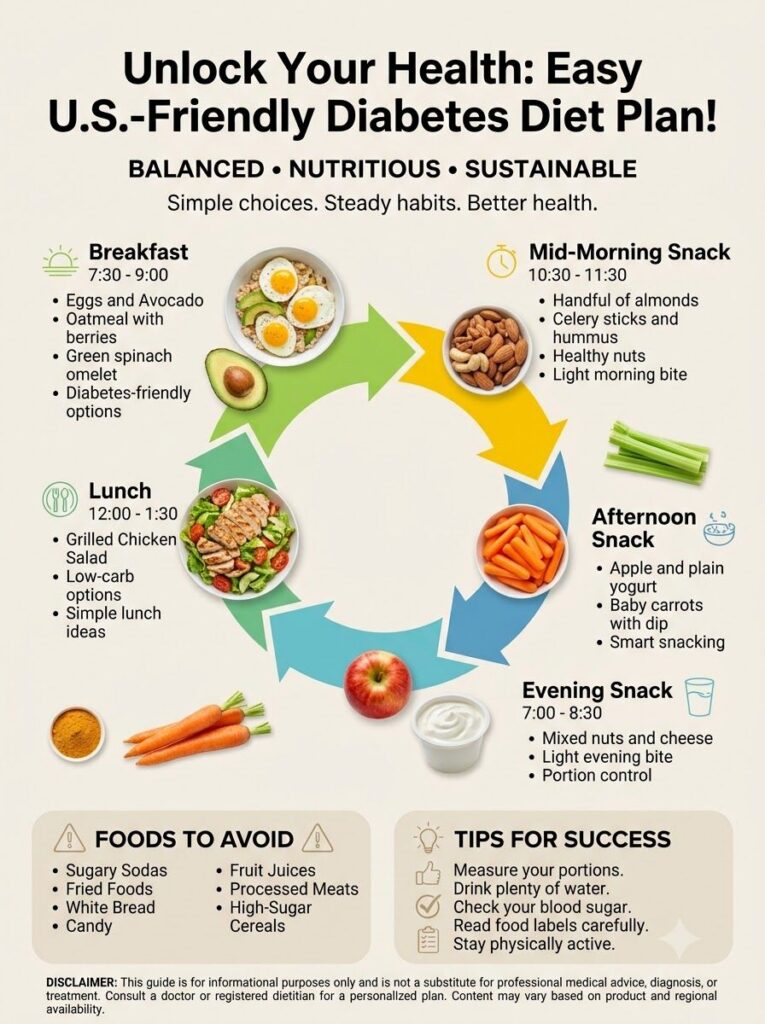
Today, we’re diving into an ‘Easy U.S.-Friendly Diabetes Diet Plan’ designed to simplify your meal choices and help you maintain stable blood sugar levels without feeling deprived. This comprehensive guide, inspired by our popular infographic, offers practical meal ideas and essential tips that fit seamlessly into your daily life.
Why a Diabetes-Friendly Diet Matters
For individuals with diabetes, food is more than just fuel; it’s a powerful tool for managing blood sugar, preventing complications, and improving overall quality of life. A well-planned diet focuses on whole, unprocessed foods that provide steady energy and essential nutrients, helping to:
- Stabilize blood glucose levels.
- Maintain a healthy weight.
- Reduce the risk of heart disease and other diabetes-related complications.
- Boost energy and overall vitality.
- Support optimal organ function.
The good news? Eating well for diabetes often aligns with general healthy eating principles, making it beneficial for everyone in your household.
Your Easy U.S.-Friendly Diabetes Meal Plan: A Day in Detail
This plan emphasizes balance, portion control, and nutrient density, incorporating foods commonly found and enjoyed in the U.S. Remember, these are suggestions, and you should always consult with your healthcare provider or a registered dietitian for personalized advice.
Breakfast: Fueling Your Morning (7:00 AM – 8:00 AM)
Start your day right with a meal that provides protein, healthy fats, and complex carbohydrates to keep you full and your blood sugar stable.
- Scrambled Eggs with Avocado: Two scrambled eggs with a quarter of an avocado and a slice of whole-wheat toast.
- Greek Yogurt Parfait: Plain Greek yogurt with a handful of berries (like blueberries or raspberries) and a sprinkle of unsweetened nuts or seeds.
- Oatmeal with Apple Slices: Half a cup of cooked old-fashioned oats with cinnamon and a small sliced apple.
Mid-Morning Snack: Bridging the Gap (10:00 AM – 11:00 AM)
A small, smart snack can prevent overeating at lunch and help manage hunger.
- Almonds: A small handful (about 15-20) of unsalted almonds.
- Hard-Boiled Egg: One hard-boiled egg.
- Cheese Stick: A single serving of low-fat cheese.
Lunch: Balanced and Satisfying (12:30 PM – 1:30 PM)
Focus on lean protein, plenty of non-starchy vegetables, and a modest serving of healthy carbs.
- Grilled Chicken Salad: Grilled chicken breast served on a bed of mixed greens with colorful vegetables (cucumber, bell peppers, tomatoes) and a light vinaigrette dressing.
- Tuna Salad Lettuce Wraps: Tuna salad (made with Greek yogurt or light mayo) served in large lettuce leaves with a side of baby carrots.
- Lentil Soup: A bowl of hearty lentil soup with a small whole-grain roll.
Afternoon Snack: Energy Boost (3:30 PM – 4:30 PM)
Keep your energy steady with another nutrient-rich snack.
- Baby Carrots with Hummus: A serving of baby carrots with 2 tablespoons of hummus.
- Apple Slices with Peanut Butter: A small apple sliced with 1 tablespoon of natural peanut butter.
- Small Orange: One medium orange.
Dinner: Nourishing Your Evening (6:00 PM – 7:00 PM)
A well-balanced dinner contributes to good sleep and overnight blood sugar control.
- Baked Salmon with Brown Rice and Steamed Vegetables: A palm-sized portion of baked salmon, half a cup of cooked brown rice, and a generous serving of steamed broccoli and green beans.
- Lean Ground Turkey Stir-fry: Ground turkey stir-fried with mixed vegetables (broccoli, bell peppers, snap peas) and a small amount of low-sodium soy sauce or tamari, served over half a cup of quinoa.
- Chicken and Vegetable Skewers: Grilled chicken and vegetable skewers (zucchini, cherry tomatoes, onions) with a side salad.
Evening Snack: Light and Mindful (8:30 PM – 9:30 PM)
If you need a snack before bed, choose something light and protein-rich.
- Mixed Nuts: A small portion (about 10-12 nuts) of unsalted mixed nuts.
- Cottage Cheese: Half a cup of low-fat cottage cheese.
- Small handful of Berries: Such as strawberries or blueberries.
Foods to Avoid: Navigating the ‘No-Go’ Zone
While the focus is always on what you can eat, understanding foods that can negatively impact blood sugar is equally important. Minimizing or avoiding these can make a significant difference in your diabetes management:
- Sugary Sodas and Sweetened Beverages: These cause rapid spikes in blood sugar due to their high sugar content. Opt for water, unsweetened tea, or sparkling water with a squeeze of lemon.
- Processed Meats: Items like hot dogs, bacon, and deli meats are often high in sodium, unhealthy fats, and preservatives, which can negatively affect heart health.
- Refined Grains: White bread, white pasta, and sugary cereals lack fiber and cause quick blood sugar increases. Choose whole grains instead.
- Fried Foods: High in unhealthy fats, these can contribute to weight gain and insulin resistance.
- Excessive Sweets and Pastries: Cakes, cookies, and candies are packed with sugar and refined carbs. Enjoy them sparingly, if at all, in very small portions.
Tips for Success: Your Blueprint for Healthy Habits
Beyond the meal plan, adopting certain habits will significantly enhance your diabetes management.
- Measure Portions: Understanding appropriate portion sizes is critical for managing calorie intake and blood sugar. Use measuring cups, spoons, and a food scale if needed.
- Check Blood Sugar Regularly: Monitoring your blood glucose provides valuable feedback on how different foods affect you.
- Stay Hydrated: Drink plenty of water throughout the day. It’s essential for overall health and can help manage hunger.
- Plan Ahead: Meal prepping and planning your snacks in advance can prevent impulsive, unhealthy choices.
- Read Food Labels: Become an expert at deciphering nutrition labels, paying attention to serving sizes, carbohydrates, sugars, and fiber content.
- Consult a Healthcare Professional: This guide is for informational purposes only. Always work with your doctor or a registered dietitian to create a personalized meal plan tailored to your specific needs and health conditions.
Empower Your Health Journey
Embarking on a diabetes-friendly diet is a powerful step towards a healthier, more energetic you. It’s about making conscious choices that nourish your body and support your long-term wellness goals. By following this U.S.-friendly plan and incorporating these practical tips, you’re not just managing diabetes; you’re unlocking a better, more vibrant self.
Remember, every small, consistent step you take contributes to significant progress. Embrace the journey, savor the delicious, wholesome foods, and celebrate your commitment to your health!