Unlock the Zesty Power of Lemon Peels for Your Citrus Plants!
Who doesn’t love the bright, refreshing taste of fresh citrus? Lemons, oranges, and limes bring a touch of sunshine to our kitchens and gardens. But like all living things, your beloved citrus trees need proper nourishment to truly thrive. Before you reach for chemical fertilizers, consider a secret weapon hiding in your fruit bowl: lemon peels! Yes, those seemingly humble discards are packed with nutrients that can give your citrus plants a natural, organic boost.
Why Lemon Peels Are a Gardener’s Best Friend for Citrus
Lemon peels are more than just fragrant waste; they are a treasure trove of benefits for your garden, especially for acid-loving plants like citrus. Here’s why you should start saving them:
- Rich in Micronutrients: Lemon peels contain essential micronutrients such as calcium, magnesium, and sulfur, which are vital for healthy plant growth and fruit development. These are often lacking in standard fertilizers.
- Acidify the Soil: Citrus plants prefer slightly acidic soil (pH 6.0 to 7.0). As lemon peels decompose, they release organic acids that can help gently lower the soil’s pH, creating an optimal environment for your citrus.
- Natural Pest Repellent: The strong aroma of citrus oils can deter certain common garden pests, providing a natural and chemical-free line of defense for your plants.
- Boost Soil Health: Incorporating organic matter like lemon peels improves soil structure, enhances water retention, and encourages beneficial microbial activity, leading to a healthier root system.
Crafting Your DIY Lemon Peel Fertilizer
Making your own lemon peel fertilizer is incredibly simple and cost-effective. You have a couple of fantastic options to choose from, depending on your preference and how quickly you want to use it.
Method 1: Lemon Peel Infusion (Liquid Fertilizer)
This method creates a nutrient-rich liquid feed that is easy for plants to absorb.
- Collect Peels: Save your lemon peels after juicing or zesting. The more, the better!
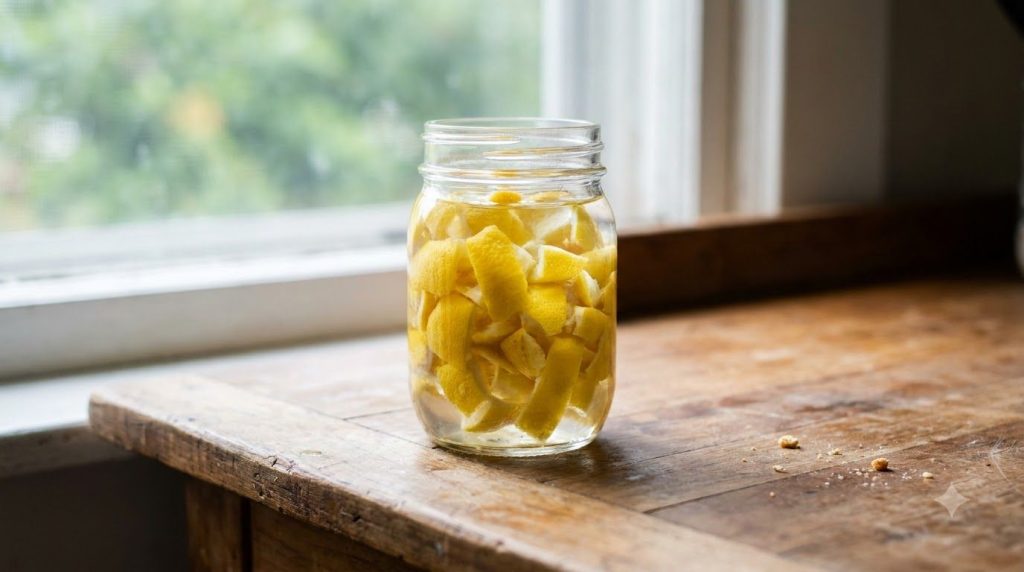
- Chop and Soak: Roughly chop the peels into smaller pieces. Place them in a large jar or container and cover them completely with water.
- Ferment: Seal the container and let it sit in a cool, dark place for 1-2 weeks. Stir every few days to prevent mold and release gases. You’ll notice the water changing color and a slightly fermented scent.
- Strain and Dilute: After fermentation, strain out the solids (you can compost these!). Dilute the liquid concentrate with water at a 1:10 ratio (1 part fertilizer to 10 parts water) before applying to your plants.
Method 2: Direct Application (Soil Amendment)
For a slower release of nutrients and long-term soil improvement, you can incorporate lemon peels directly into the soil.
- Dry the Peels: It’s best to dry the peels first to prevent mold. You can air-dry them, use a dehydrator, or bake them on a low temperature until brittle.
- Grind or Chop: Once dry, grind the peels into a fine powder or chop them into very small pieces. A coffee grinder or food processor works well.
- Apply to Soil: Gently mix the dried lemon peel powder or pieces into the top layer of soil around your citrus plants. Avoid direct contact with the trunk.
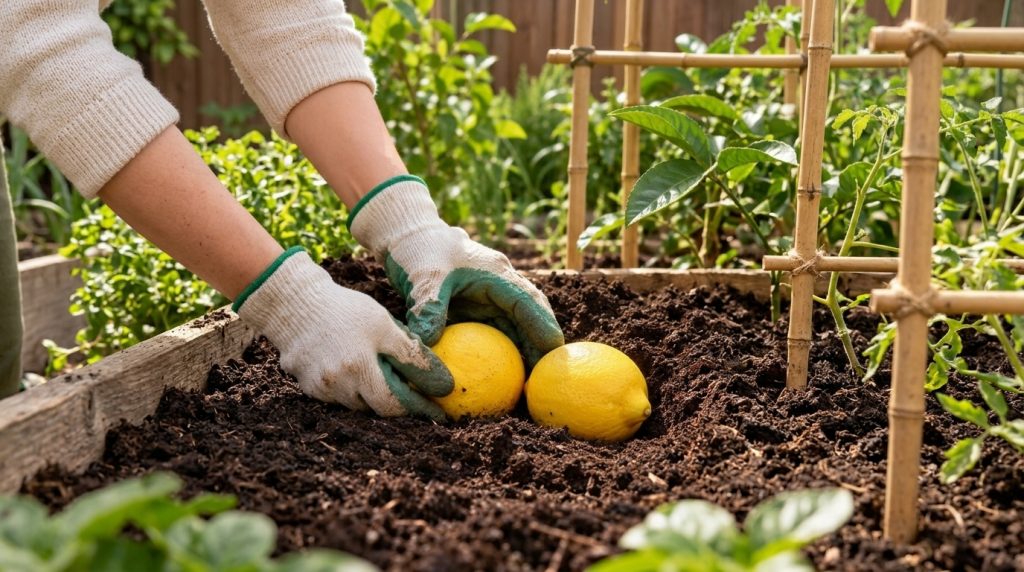
Alternatively, you can bury small pieces of fresh lemon peel directly into the soil around the drip line of your citrus tree, ensuring they are covered to prevent attracting pests and to facilitate decomposition.
Tips for Applying Your DIY Lemon Peel Fertilizer
- Frequency: For liquid fertilizer, apply every 2-4 weeks during the growing season (spring and summer). For direct application, apply every 1-2 months.
- Watering: Always water your plants well before applying any fertilizer to prevent root burn and ensure even distribution.
- Observe Your Plants: Pay attention to your citrus plants’ response. Healthy growth, vibrant leaves, and abundant fruit are signs of success! Adjust frequency if you notice any signs of over-fertilization (like yellowing leaves from excess acidity) or under-nourishment.
- Complementary Care: Remember that fertilizer is just one part of a healthy plant care routine. Ensure your citrus plants also receive adequate sunlight, proper watering, and good drainage.
Embrace Organic Gardening
Using DIY lemon peel fertilizer is a fantastic step towards a more sustainable and organic gardening practice. Not only does it reduce waste, but it also ensures that you’re nourishing your plants with natural ingredients, free from harsh chemicals. Your citrus plants will thank you with healthy growth, abundant blooms, and delicious, juicy fruit. So next time you enjoy a lemon, remember its peels hold the key to growing sunshine in your garden!