A healthy gut is the cornerstone of overall wellness, impacting everything from digestion and nutrient absorption to mood and immune function. If you’re looking to naturally enhance your well-being, focusing on what you eat is one of the most powerful steps you can take. This article unveils 12 foods for a healthy gut, each packed with unique properties to support your digestive system and boost immunity. By understanding the benefits of these essential ingredients, you can transform your plate into a powerhouse of gut-friendly nutrition and unlock a healthier, more vibrant you.
The Gut-Brain Connection: Why a Healthy Gut Matters
Your gut, often referred to as your “second brain,” is home to trillions of microorganisms collectively known as the gut microbiome. This intricate ecosystem plays a pivotal role in far more than just digestion. A balanced microbiome supports a robust immune system, helps produce essential vitamins, and even influences neurotransmitters that affect your mood and cognitive function. When your gut flora is out of balance, it can lead to digestive discomfort, weakened immunity, and a host of other health issues. By nourishing your gut with the right foods, you can foster a thriving internal environment that promotes overall health and vitality.
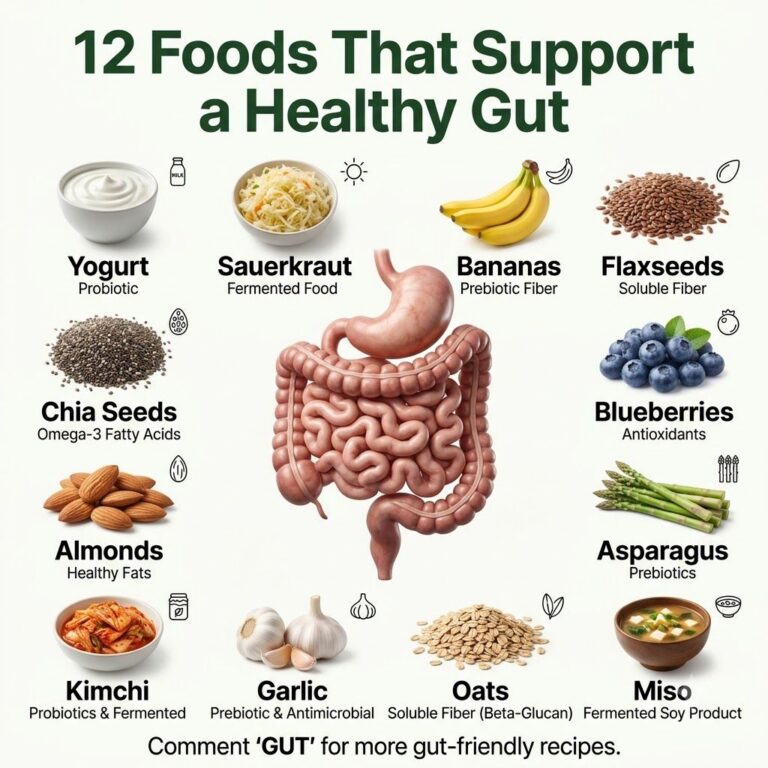
12 Powerhouse Foods for a Thriving Gut
Incorporating these foods into your daily diet can make a significant difference in your gut health. Here’s a closer look at each:
Probiotic-Rich Foods (Beneficial Bacteria)
- Yogurt
Benefit: Probiotic, beneficial bacteria
Yogurt, especially varieties containing “live and active cultures,” is a fantastic source of probiotics. These beneficial bacteria help colonize your gut, aiding digestion and enhancing your immune response. Look for plain, unsweetened yogurt to avoid added sugars.
How to enjoy: Pair with fresh fruit and a sprinkle of flaxseeds for a healthy breakfast, blend into smoothies, or use as a base for creamy dressings. Many choose the best probiotic yogurt brands for optimal benefits.
- Kimchi
Benefit: Probiotic, fermented cabbage
This traditional Korean side dish is made from fermented vegetables, primarily cabbage, and is rich in probiotics and enzymes. Its spicy, tangy flavor adds a kick to any meal while supporting your gut flora.
How to enjoy: Add to rice bowls, tacos, stir-fries, or simply enjoy as a flavorful side dish.
- Sauerkraut
Benefit: Probiotic, fermented cabbage
Another form of fermented cabbage, sauerkraut is packed with probiotics, fiber, and vitamins C and K. It’s a simple, effective way to introduce more beneficial bacteria into your diet.
How to enjoy: Serve with grilled meats, on sandwiches, or as an tangy addition to salads.
- Kefir
Benefit: Probiotic, fermented milk drink
Kefir is a fermented milk drink with a slightly tart taste and a thinner consistency than yogurt. It typically contains an even wider variety of beneficial bacteria and yeasts than yogurt, making it a powerful probiotic source.
How to enjoy: Drink it plain, add it to smoothies, or use it as a base for overnight oats. Explore different kefir options for gut health.
Prebiotic-Rich Foods (Nourish Beneficial Bacteria)
- Bananas
Benefit: Prebiotic fiber, promotes beneficial bacteria
Bananas, especially slightly unripe ones, are a good source of prebiotic fiber and resistant starch. These fibers aren’t digested in your upper gut but travel to your large intestine, where they feed your beneficial gut bacteria.
How to enjoy: Slice into oatmeal, blend into smoothies, or simply enjoy as a quick, portable snack.
- Oats
Benefit: Prebiotic fiber, soluble fiber
Oats are renowned for their soluble fiber, particularly beta-glucans, which act as a prebiotic. This fiber helps regulate blood sugar, lowers cholesterol, and supports a healthy gut microbiome by promoting the growth of good bacteria.
How to enjoy: Make a warm bowl of oatmeal, prepare overnight oats, or incorporate into baking. They are a staple for high fiber breakfast ideas.
- Asparagus
Benefit: Prebiotic fiber, promotes beneficial bacteria
Asparagus contains inulin, a type of prebiotic fiber that specifically feeds beneficial bacteria like bifidobacteria and lactobacilli. It’s also a good source of vitamins K, A, and C.
How to enjoy: Roast, steam, or grill as a side dish, or add to stir-fries and pasta dishes.
- Garlic
Benefit: Prebiotic, antimicrobial
Beyond its flavor-enhancing abilities, garlic is a powerful prebiotic. It contains fructans that feed good gut bacteria and also possesses antimicrobial properties that help keep harmful bacteria in check.
How to enjoy: Use generously in cooking – mince it into dressings, sauté with vegetables, or add to sauces.
Other Gut-Supportive Foods
- Blueberries
Benefit: Antioxidants, anti-inflammatory
These small but mighty berries are packed with antioxidants, particularly anthocyanins, which have powerful anti-inflammatory effects. Reducing inflammation is crucial for maintaining a healthy gut lining and preventing digestive issues.
How to enjoy: Add to yogurt, oatmeal, smoothies, or eat as a refreshing snack.
- Ginger
Benefit: Anti-inflammatory, digestive aid
Ginger has been used for centuries to soothe digestive discomfort. Its active compound, gingerol, has anti-inflammatory properties and can help stimulate digestion, reduce nausea, and ease bloating.
How to enjoy: Brew fresh ginger tea, add grated ginger to stir-fries, or blend into smoothies.
- Flaxseeds
Benefit: Fiber, omega-3s
Flaxseeds are a powerhouse of both soluble and insoluble fiber, promoting regular bowel movements and gut motility. They also provide alpha-linolenic acid (ALA), an omega-3 fatty acid known for its anti-inflammatory benefits.
How to enjoy: Grind them and sprinkle over yogurt, oatmeal, salads, or add to baked goods.
- Bone Broth
Benefit: Collagen, amino acids for gut lining
Rich in collagen, gelatin, and amino acids like glutamine, bone broth is highly beneficial for repairing and maintaining the integrity of the gut lining. It can help reduce intestinal permeability and soothe inflammation.
How to enjoy: Sip it warm as a nourishing drink, or use it as a base for soups and stews. Many find the best bone broth to be a game-changer for gut health.
Simple Ways to Boost Your Gut Health Daily
Integrating these gut-friendly foods doesn’t have to be complicated. Here are some practical tips:
- Diversify Your Plate: Aim for a wide variety of plant-based foods to nourish a diverse microbiome.
- Eat Fermented Foods Regularly: Include a serving of yogurt, kimchi, sauerkraut, or kefir a few times a week.
- Prioritize Fiber: Ensure your diet is rich in fruits, vegetables, and whole grains like oats to provide essential prebiotics.
- Stay Hydrated: Water is crucial for proper digestion and for helping fiber move through your system.
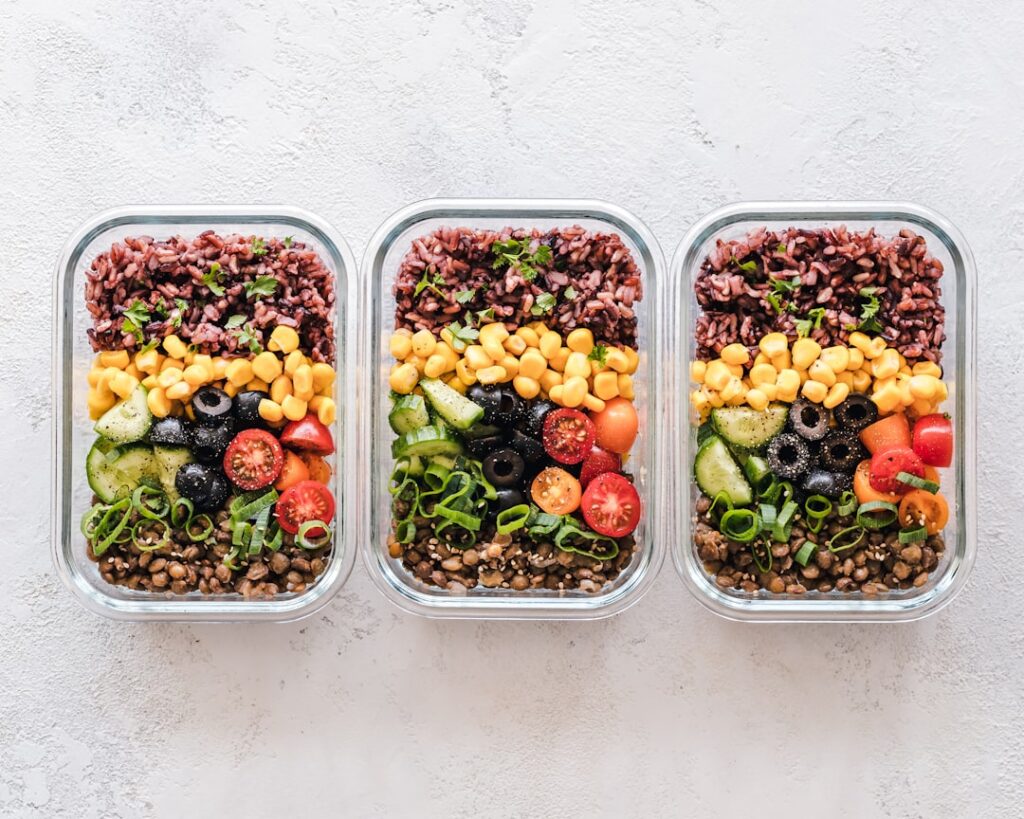
- Consider Meal Prepping: Plan your healthy meal prep ideas around these ingredients to make healthy eating consistent and easy.
Frequently Asked Questions About Gut-Friendly Foods
How quickly can I see results from eating gut-healthy foods?
While individual experiences vary, many people start to notice positive changes in digestion and energy levels within a few weeks of consistently incorporating gut-healthy foods into their diet. Long-term benefits, such as a stronger immune system, develop over time.
Can I get too many probiotics?
While generally safe, consuming excessively high amounts of probiotics can sometimes lead to temporary digestive discomfort like bloating or gas, especially if your gut is not used to it. It’s best to introduce probiotic-rich foods gradually.
Are all fermented foods good for the gut?
Most traditional fermented foods like kimchi, sauerkraut, kefir, and yogurt contain beneficial probiotics. However, some fermented foods, like certain types of bread or alcoholic beverages, undergo different fermentation processes and may not offer the same probiotic benefits.
What’s the difference between prebiotics and probiotics?
Probiotics are live beneficial bacteria found in certain foods and supplements. Prebiotics, on the other hand, are types of fiber that act as “food” for these beneficial bacteria, helping them thrive and grow in your gut.
Final Thoughts
Embracing a gut-healthy diet is a powerful step towards holistic wellness. By consistently incorporating these 12 foods for a healthy gut, you’re not just improving digestion—you’re boosting your immunity, enhancing your mood, and setting the stage for a healthier, more energetic life. Start small, be consistent, and listen to your body. Your gut will thank you!
Medical Disclaimer
The information provided in this article is for educational purposes only and is not intended as medical advice. Always consult with a qualified healthcare professional before making any significant changes to your diet, especially if you have existing health conditions or concerns.