Are you dreaming of a garden overflowing with fresh, vibrant vegetables? There’s nothing quite like harvesting your own produce, knowing exactly where it came from and the care that went into it. But achieving that bountiful harvest often comes down to one crucial factor: timing. Planting your vegetable transplants at just the right moment can make all the difference between struggling plants and a thriving, productive garden.
Many gardening enthusiasts, both new and experienced, sometimes struggle with knowing precisely when to put their beloved plant babies into the ground. Too early, and a late frost can nip them in the bud; too late, and they might miss their optimal growth window or suffer from scorching summer heat. This guide will help you understand the magic behind optimal planting windows, ensuring your efforts lead to a rewarding home harvest!
Why Planting Timing is Your Secret Weapon for Garden Success
The success of your vegetable garden hinges significantly on when you plant. Each vegetable variety has its preferred conditions for germination, root establishment, and vigorous growth. Planting within these optimal windows ensures your plants get the best start and face fewer challenges. Here’s why timing is so critical:
- Temperature Control: Different plants have different temperature tolerances. Cool-season crops thrive in cooler spring and fall temperatures, while warm-season crops need consistently warm soil and air. Planting at the right time avoids stress from extreme cold or heat.
- Sunlight Optimization: Plants need adequate sunlight for photosynthesis. Planting early or late can mean your plants are either shaded by taller neighbors or exposed to too much intense sun during critical growth phases.
- Pest and Disease Avoidance: Some pests and diseases are more prevalent during specific times of the year. Strategic planting can help your plants grow strong and resilient before these threats become most active.
- Maximized Yields: When plants are happy, they are productive! Optimal timing leads to stronger plants, better fruit set, and ultimately, a more abundant harvest.
Key Factors to Consider for Optimal Planting Windows
Before you even think about putting a trowel to soil, consider these vital environmental factors:
1. Your Last Frost Date
This is arguably the most crucial piece of information for spring planting. The last average frost date for your region indicates when the risk of freezing temperatures has passed. Warm-season crops are particularly susceptible to frost damage. You can find your local last frost date by checking with your local agricultural extension office or using online resources based on your USDA Hardiness Zone.
2. Soil Temperature
Air temperature isn’t the only thing that matters; soil temperature is vital for root development. Cold soil can stunt growth, cause rot, or simply prevent seeds and transplants from thriving. Many warm-season vegetables, like tomatoes and peppers, prefer soil temperatures consistently above 60-65°F (15-18°C).
3. Sunlight Requirements
Most vegetables require at least 6-8 hours of direct sunlight per day. Plan your garden layout and planting times to ensure your plants receive their needed dose of sun as they grow, keeping in mind how the sun’s path changes with the seasons.
4. Plant Maturity Dates
Consider the ‘days to maturity’ listed on your seed packets or plant tags. This helps you work backward from your desired harvest time, ensuring your plants have enough time to grow and produce before adverse weather conditions (like scorching summer heat or an early fall frost) set in.
Ideal Planting Windows for Your Favorite Vegetable Transplants
Here’s a general guide for some popular vegetable transplants. Always cross-reference with local gardening calendars and specific varieties!
Warm-Season Favorites (Plant After All Danger of Frost Has Passed, Soil Warm)
- Tomatoes: Typically 2-4 weeks after your last frost date, when nights are consistently above 50°F (10°C) and soil temperature is at least 60°F (15°C).
- Peppers: Similar to tomatoes, they love warmth. Plant 2-3 weeks after the last frost, when both air and soil are warm.
- Cucumbers: These love heat! Plant once soil temperatures are reliably above 65°F (18°C), usually 2-3 weeks after the last frost.
- Squash (Zucchini, Pumpkin, Winter Squash): Best planted when all danger of frost is gone and soil is warm, similar to cucumbers.
- Eggplant: Very sensitive to cold, plant only when nights are warm, 3-4 weeks after the last frost.
Cool-Season Crops (Plant in Early Spring or Late Summer for Fall Harvest)
- Broccoli & Cabbage: Plant in early spring, 4-6 weeks before the last frost date for a spring harvest, or in late summer for a fall harvest. They tolerate light frost.
- Lettuce & Spinach: Can be planted as soon as the soil can be worked in early spring, often 4-6 weeks before the last frost. For a continuous supply, do succession planting every few weeks.
- Kale: Similar to lettuce and spinach, very cold hardy. Plant in early spring or late summer.
Essential Tips for Transplanting Success
Even with perfect timing, a few extra steps can ensure your transplants thrive:
- Harden Off Your Transplants: If you started seeds indoors or bought plants from a greenhouse, gradually expose them to outdoor conditions (sun, wind, cooler temperatures) over 7-10 days before planting them permanently.
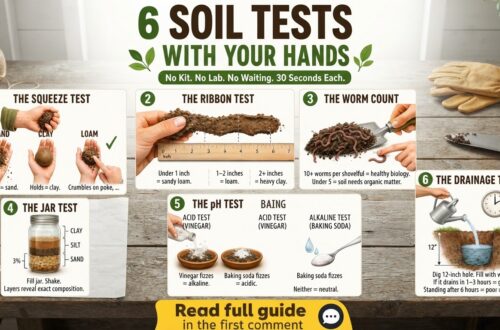
- Prepare Your Soil: Ensure your garden beds have well-draining soil rich in organic matter. A soil test can tell you what nutrients your soil needs.
- Water Thoroughly: Water your transplants well before and immediately after planting to minimize transplant shock.
- Plant on a Cloudy Day or in the Evening: This helps reduce stress from direct sun exposure during the initial shock of transplanting.
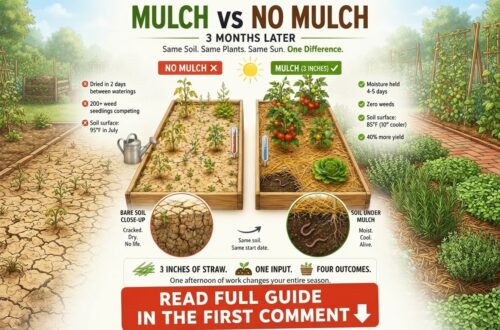
- Mulch: Apply a layer of organic mulch around your plants to conserve moisture, regulate soil temperature, and suppress weeds.
Conclusion: Embrace the Art of Timing for Your Best Garden Yet!
Understanding and utilizing optimal planting windows is a game-changer for any home gardener. It’s about working with nature, not against it, to give your plants the best possible start. By paying attention to your local climate, soil conditions, and the specific needs of your chosen vegetables, you’ll be well on your way to enjoying a truly abundant and satisfying home harvest.
What are your favorite vegetables to grow, and what planting tips have you found most helpful for timing? Share your insights in the comments below – we love hearing from our gardening community!