When it comes to fueling your body and supporting overall wellness, protein is a powerhouse nutrient. It’s essential for building and repairing tissues, making enzymes and hormones, and providing a sustained source of energy. Many health and fitness guidelines often suggest aiming for around 30 grams of protein per meal, especially for satiety and muscle health. But have you ever wondered how much of your favorite protein sources you’d need to hit that goal? Let’s dive into the ’30g Challenge’ and explore the differences between plant and animal protein.
Understanding portion sizes can be tricky, especially when comparing different food types. Our goal today is to shed light on what 30 grams of protein actually looks like, using popular examples like chickpeas and eggs, and to help you make informed choices that align with your dietary preferences and health objectives.
Why Aim for 30 Grams of Protein Per Meal?
While protein needs vary based on age, activity level, and health goals, aiming for a significant amount of protein per meal, such as 20-40 grams, is often recommended for several reasons:
- Satiety: Protein helps you feel fuller for longer, which can be beneficial for weight management and preventing overeating.
- Muscle Synthesis: Consuming enough protein throughout the day, particularly after exercise, supports muscle repair and growth.
- Blood Sugar Control: Protein can help stabilize blood sugar levels, preventing spikes and crashes often associated with carbohydrate-heavy meals.
Now, let’s look at how popular animal and plant-based options stack up.
Animal Protein: The Powerhouse Punch
Animal sources of protein are renowned for being ‘complete proteins,’ meaning they contain all nine essential amino acids your body can’t produce on its own. They are also generally highly bioavailable, meaning your body can easily absorb and utilize their nutrients.
Eggs: A Convenient Choice
As highlighted in our challenge, eggs are an incredibly versatile and nutrient-dense animal protein. Each large hard-boiled egg provides approximately 6 grams of protein. To reach the 30g protein goal, you would need about 5 large hard-boiled eggs. Eggs also offer essential vitamins and minerals, including vitamin D, B vitamins, and choline.
Other Common Animal Protein Sources:
- Chicken Breast: A 4-ounce (113g) cooked chicken breast can provide around 35 grams of protein.
- Salmon: A 4-ounce (113g) cooked salmon fillet offers approximately 28-30 grams of protein, plus omega-3 fatty acids.
- Lean Beef: A 4-ounce (113g) serving of lean cooked beef typically contains about 30 grams of protein.
- Greek Yogurt: One cup (227g) of plain Greek yogurt can provide about 20-25 grams of protein.
While animal proteins are efficient sources of complete protein, it’s wise to consider factors like saturated fat content and sourcing.

Plant Protein: Nutrient-Dense and Versatile
Plant-based proteins are gaining popularity for their health benefits, fiber content, and often lower environmental impact. While many individual plant proteins are considered ‘incomplete’ (lacking one or more essential amino acids), combining various plant sources throughout the day easily provides a complete amino acid profile.
Chickpeas: A Plant-Based Star
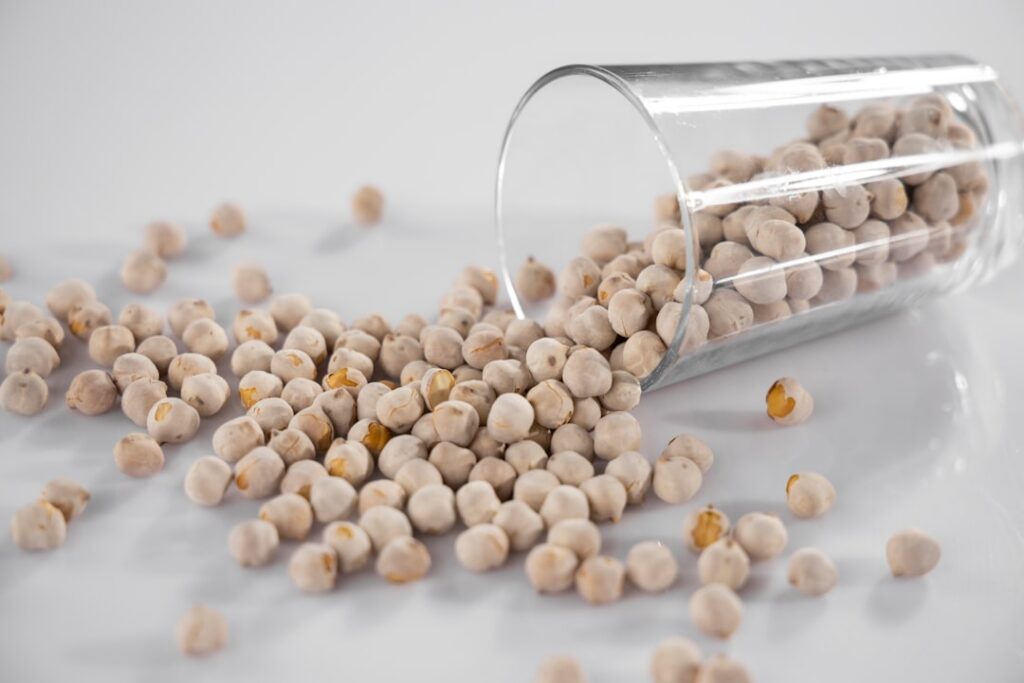
Chickpeas are a fantastic plant-based protein source, also rich in fiber, iron, and folate. However, you’ll need a larger quantity to hit that 30g mark compared to eggs. Approximately 1.5 to 2 cups of cooked chickpeas (around 240-320 grams) would provide roughly 30 grams of protein. This large portion also delivers a significant amount of dietary fiber, which is excellent for digestive health and satiety.
Other Common Plant Protein Sources:
- Lentils: One cup (198g) of cooked lentils contains about 18 grams of protein. You’d need a bit more than 1.5 cups to reach 30g.
- Tofu: A 5-ounce (140g) serving of firm tofu can provide around 16-20 grams of protein.
- Tempeh: A 3-ounce (85g) serving of tempeh offers about 16 grams of protein.
- Black Beans: One cup (172g) of cooked black beans has approximately 15 grams of protein.
- Quinoa: One cup (185g) of cooked quinoa provides about 8 grams of protein.
- Plant-Based Protein Powder: Many plant-based protein powders (e.g., pea, rice, soy) can provide 20-30 grams of protein per scoop, making them a convenient option.
Embracing a variety of plant proteins ensures you get a wide spectrum of nutrients and amino acids.
Mastering the 30g Challenge: Practical Tips
Whether you lean towards plant-based or animal-based foods, achieving your protein goals is totally doable with a little planning.
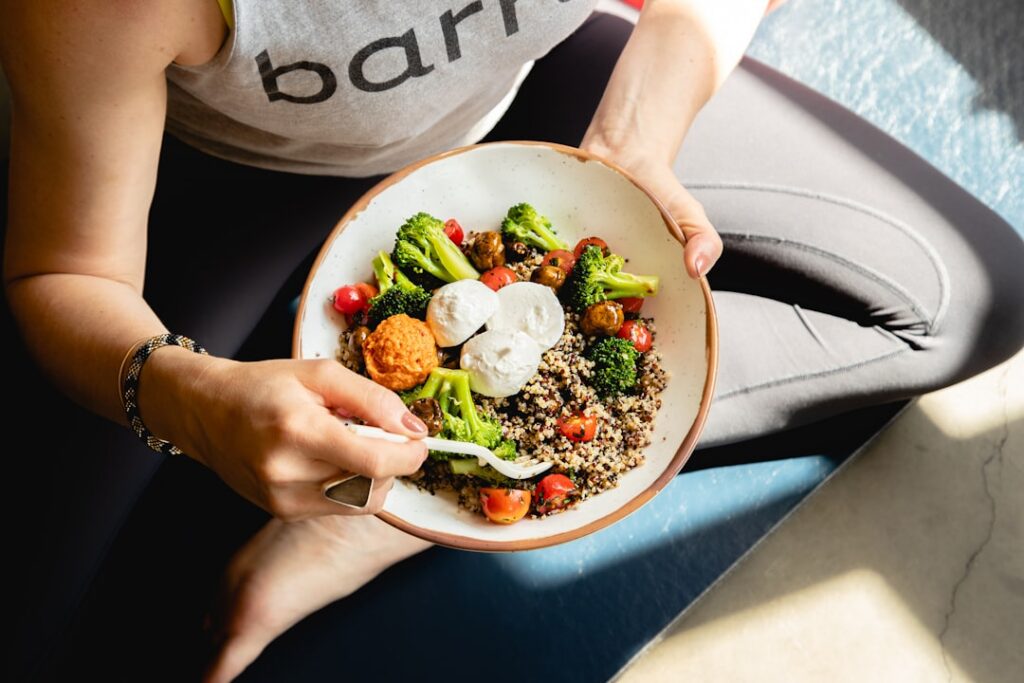
- Combine Smartly: If relying heavily on plant proteins, combine different sources (e.g., rice and beans, hummus and whole-wheat pita) to ensure you get all essential amino acids.
- Prioritize Protein at Each Meal: Start your day with protein-rich breakfast, include it in your lunch, and make it a centerpiece of your dinner.
- Snack Strategically: Opt for protein-rich snacks like a handful of nuts, a hard-boiled egg, cottage cheese, or a protein smoothie.
- Meal Prep: Prepare batches of cooked chicken, lentils, or tofu at the beginning of the week to easily add to your meals.
- Consider Supplements: If meeting your protein needs through whole foods is challenging, a high-quality protein powder (whey, casein, or plant-based) can be a convenient addition.
Which One Is Your Go-To?
Ultimately, the ‘best’ protein source is one that fits your dietary preferences, ethical considerations, and health goals. Both plant and animal proteins offer unique benefits. Animal proteins tend to be more concentrated and complete, while plant proteins come with added fiber and phytonutrients, often with a lower saturated fat profile.
Many people find a balanced approach, incorporating a mix of both, to be the most beneficial and enjoyable. The key is to be mindful of your choices and ensure you’re getting a variety of nutrient-dense foods to support your overall well-being.
Remember, this information is for educational purposes only and not a substitute for professional medical advice. Always consult with a healthcare provider or registered dietitian for personalized dietary recommendations.