When you think of potatoes, your mind might jump to crispy fries, creamy mashed potatoes, or a hearty baked spud. But did you know that the world of potatoes is more diverse than just the classic white variety? Enter the sweet potato, a vibrant and increasingly popular alternative that often sparks a friendly debate among health enthusiasts: which one is truly healthier?
Both sweet potatoes and regular potatoes are beloved root vegetables, offering unique flavors, textures, and nutritional profiles. While they might look similar from the outside (especially when peeled!), their internal composition tells a fascinating story. At Wellness Daily, we believe in understanding the ‘why’ behind your food choices. So, let’s dive deep into a nutritional showdown to uncover the distinct benefits of each, helping you decide which one might become your next favorite!

Nutritional Powerhouses: A Closer Look
Both types of potatoes are excellent sources of energy and provide a range of essential vitamins and minerals. However, their specific nutrient concentrations vary, giving each its unique health advantages.
Sweet Potatoes: A Beta-Carotene Champion
Sweet potatoes are famous for their brilliant orange hue, which is a tell-tale sign of their rich beta-carotene content. Beta-carotene is a powerful antioxidant that the body converts into Vitamin A, essential for vision, immune function, and skin health. But their benefits don’t stop there!
- Vitamin A (Beta-Carotene): A single medium sweet potato can provide well over your daily requirement of Vitamin A, making it a stellar food for eye health and a robust immune system.
- Vitamin C: Another antioxidant that supports immune function and collagen production.
- Manganese: Important for bone health, metabolism, and antioxidant defense.
- Fiber: Sweet potatoes are a good source of dietary fiber, which aids digestion, helps regulate blood sugar, and promotes a feeling of fullness.
- Potassium: Contributes to maintaining healthy blood pressure and fluid balance.
Research suggests that the antioxidants in sweet potatoes, particularly carotenoids, may help reduce oxidative stress and inflammation in the body. They are also known for their relatively lower glycemic index compared to some regular potato varieties, which can be beneficial for blood sugar management.
Regular Potatoes: A Potassium and Vitamin C Source
Often underestimated, regular potatoes (like Russets, Yukon Golds, or red potatoes) are nutritional workhorses themselves. They are a significant source of potassium, which is crucial for heart health and maintaining healthy blood pressure, and also provide a good amount of Vitamin C.
- Potassium: Regular potatoes are excellent sources of potassium, often containing more than a banana. This mineral is vital for nerve function, muscle contractions, and fluid balance.
- Vitamin C: Provides antioxidant support and is involved in various bodily functions, including iron absorption.
- Vitamin B6: Plays a key role in energy metabolism, brain development, and nervous system function.
- Fiber: Especially when eaten with their skin, regular potatoes offer a good amount of fiber, which supports digestive health.
- Iron: Contains some non-heme iron, which can be important for energy and oxygen transport.
Regular potatoes have been associated with providing sustained energy due to their complex carbohydrate content. Their vitamin B6 content also supports healthy brain function and can help the body produce neurotransmitters.
Glycemic Index: What You Need to Know
The Glycemic Index (GI) is a system that ranks carbohydrate-containing foods based on how quickly they raise blood sugar levels. Generally, foods with a lower GI (<55) cause a slower, more gradual rise in blood sugar, while high GI foods (>70) cause a rapid spike.
- Sweet Potatoes: Typically have a medium GI (ranging from 44-96 depending on preparation and variety), with many preparations falling into the lower end of the medium range. Baking tends to increase their GI more than boiling.
- Regular Potatoes: Often have a higher GI, especially white varieties like Russets (typically 70-111). However, cooling cooked potatoes can actually lower their GI by increasing resistant starch, and different types (like new potatoes) can have a lower GI.
For those monitoring blood sugar, sweet potatoes may offer a slightly more favorable profile, but preparation methods and portion sizes are always key for both.
Culinary Versatility: Beyond the Basics
Both potatoes shine in the kitchen, offering incredible versatility:
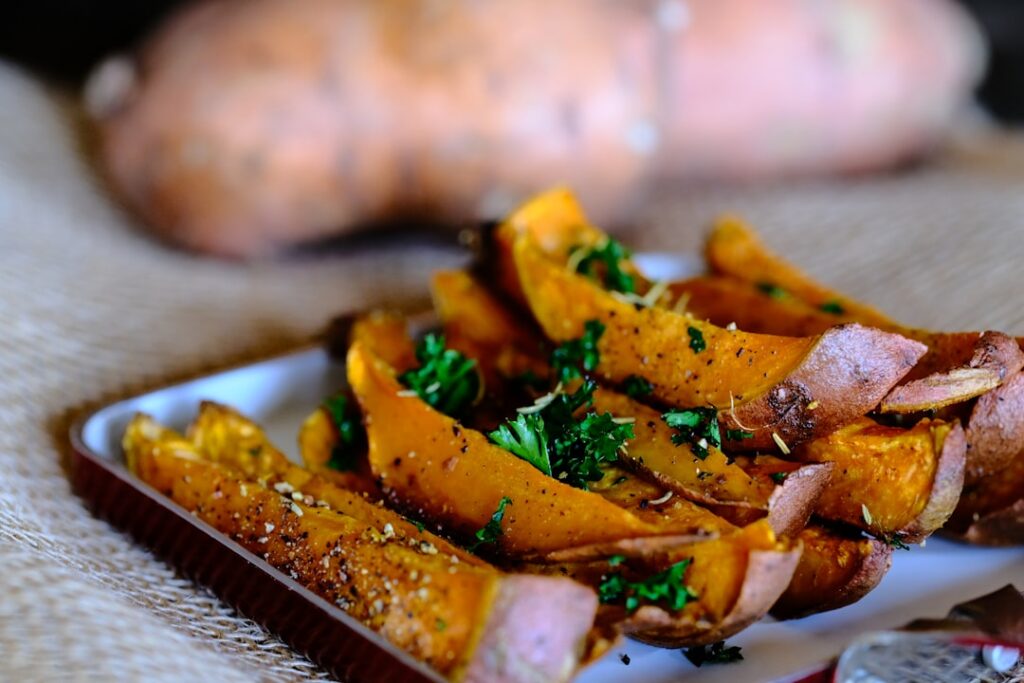
- Sweet Potatoes: Their natural sweetness makes them perfect for both savory and sweet dishes. Think roasted sweet potato fries, mashed sweet potatoes, sweet potato casseroles, or even baked into desserts. Their earthy sweetness pairs well with spices like cinnamon, cumin, and chili powder.
- Regular Potatoes: Their mild, starchy flavor makes them incredibly adaptable. They are the base for classic mashed potatoes, baked potatoes, potato salads, gratins, and countless savory side dishes. They absorb flavors beautifully and provide a satisfying texture.
Making Your Choice: Which One is Right for You?
Ultimately, both sweet potatoes and regular potatoes can be part of a healthy, balanced diet. The