In a world increasingly conscious of health and wellness, many of us are looking for ways to reduce our intake of refined sugars without sacrificing the sweet enjoyment of our favorite foods and beverages. The good news is that nature offers a delightful array of alternatives that can not only satisfy your sweet tooth but may also bring additional benefits. Welcome to your guide to healthier sweetening choices!
Choosing natural sweeteners can be a simple yet impactful step towards a more mindful diet. Unlike highly processed white sugar, many natural options retain some of their original nutrients, antioxidants, and unique flavor profiles, adding depth to your dishes beyond just sweetness. Let’s explore some of these wonderful alternatives and how you can incorporate them into your daily routine.
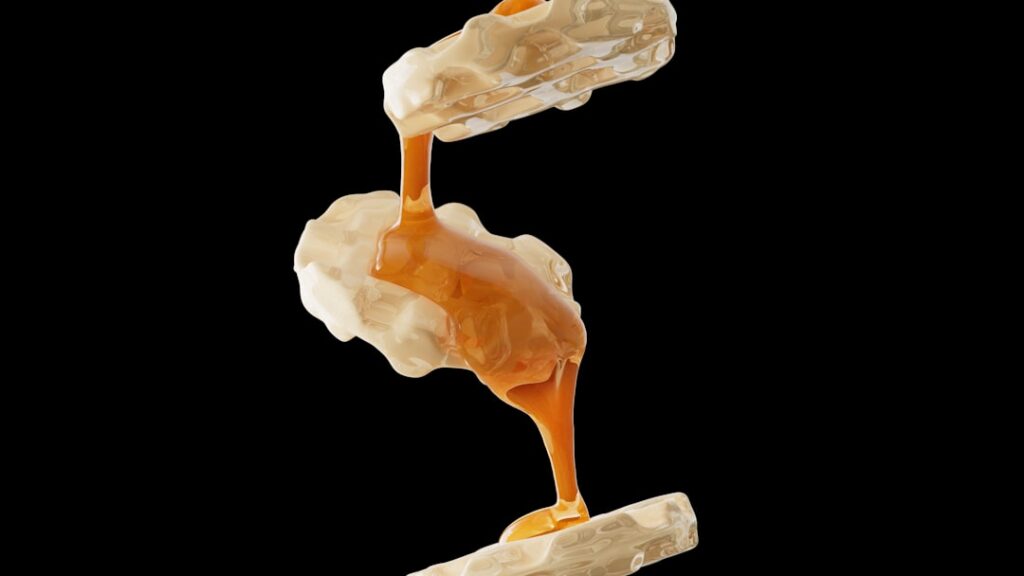
Exploring Popular Natural Sweeteners
From centuries-old staples to newer, innovative options, each natural sweetener offers something unique. Here’s a closer look at some favorites:
1. Honey
- Origin: Produced by bees from flower nectar.
- Benefits: Honey is traditionally known for its potential antioxidant properties and is associated with soothing sore throats. Raw, unprocessed honey may contain enzymes and pollen.
- Uses: Great in teas, dressings, marinades, baking, or drizzled over yogurt and toast. Its distinct floral notes can vary based on the nectar source.
2. Maple Syrup
- Origin: Derived from the sap of maple trees, primarily found in North America.
- Benefits: Pure maple syrup contains antioxidants and essential minerals like manganese and zinc, though in small amounts.
- Uses: A classic for pancakes and waffles, it’s also excellent in baking, glazes for meats, and as a sweetener in coffee or oatmeal. Opt for darker grades for a richer flavor.
3. Dates
- Origin: The fruit of the date palm tree.
- Benefits: As a whole fruit, dates are an excellent source of dietary fiber, potassium, and other minerals. They offer natural sweetness along with their nutritional package.
- Uses: Can be blended into smoothies, used to make date paste for baking (as a sugar substitute), chopped into oatmeal, or enjoyed as a snack.
4. Stevia
- Origin: Extracted from the leaves of the Stevia rebaudiana plant.
- Benefits: Stevia is a calorie-free sweetener that does not raise blood sugar levels, making it a popular choice for individuals managing blood glucose.
- Uses: Available in liquid drops, powders, and granulated forms. Ideal for sweetening beverages, yogurts, and certain baked goods, though some may detect a slight aftertaste.
5. Monk Fruit
- Origin: Derived from small, green gourds grown in Southeast Asia.
- Benefits: Similar to stevia, monk fruit extract is a zero-calorie sweetener that does not impact blood sugar levels.
- Uses: Often found in liquid or granulated forms. It’s becoming increasingly popular in beverages and various packaged foods as a natural, calorie-free alternative.
Tips for Incorporating Natural Sweeteners
Making the switch to natural sweeteners can be an exciting journey. Here are some practical tips:
- Start Gradually: If you’re used to refined sugar, gradually reduce the amount of sweetener you use to allow your taste buds to adjust.
- Understand Sweetness Levels: Natural sweeteners vary in sweetness intensity. For example, stevia and monk fruit are much sweeter than sugar, requiring smaller amounts.
- Consider Flavor Profiles: Each natural sweetener has its own unique flavor. Experiment to see which ones best complement your dishes – honey for floral notes, maple for earthy richness, dates for caramel-like sweetness.
- Baking Adjustments: When substituting in baking, remember that liquid sweeteners add moisture, and whole-food sweeteners like date paste add bulk. You may need to adjust other liquid or dry ingredients.
Important Considerations
While natural sweeteners offer appealing advantages, it’s important to remember that most still contain calories and fructose. Therefore, moderation remains key to a healthy diet. Even “natural” doesn’t mean unlimited consumption.
Disclaimer: The information provided in this article is for educational purposes only and is not intended as a substitute for professional medical advice, diagnosis, or treatment. Always seek the advice of your physician or other qualified health provider with any questions you may have regarding a medical condition.
Sweeten Your Life, Naturally!
Embracing natural sweeteners is a fantastic way to enjoy the foods you love while making more nourishing choices. By understanding the unique properties and benefits of options like honey, maple syrup, dates, stevia, and monk fruit, you can explore new flavors and support your overall well-being. Which one will you try first?