Master Your Garden’s Hydration: The Secret to a Bountiful Harvest
Gardening is a journey of patience, care, and a little bit of magic. But if there’s one fundamental secret to a truly bountiful vegetable harvest, it’s mastering the art of watering. It sounds simple, yet getting it right can make all the difference between struggling plants and lush, productive garden beds. At Garden – L. Quyên, we believe that understanding your plants’ hydration needs is key to a thriving garden. Let’s dive into the best watering techniques that will help your vegetables flourish!
Why Proper Watering Matters So Much
Water is life, and for your plants, it’s essential for photosynthesis, nutrient transport, and maintaining cell structure. Too little water, and your plants wilt, stress, and stop growing. Too much, and you risk root rot and fungal diseases. The goal is balance – consistent moisture that encourages strong root development and healthy growth.
When to Water: Timing is Everything
1. The Finger Test: Your Best Guide
Forget strict schedules; your soil will tell you when it’s time to water. Stick your finger about an inch or two into the soil. If it feels dry, it’s watering time! If it’s still damp, wait a day or two and check again. This method is especially crucial for container plants, which dry out faster.
2. Early Morning is Prime Time
The best time to water your garden is typically in the early morning. Here’s why:
- Less Evaporation: Cooler temperatures and calm winds mean more water reaches the roots, not the air.
- Plant Hydration: Plants have plenty of time to absorb water before the heat of the day, helping them withstand stress.
- Disease Prevention: Leaves dry quickly as the sun rises, reducing the risk of fungal diseases that thrive in damp conditions.
Watering in the evening can also be an option, especially during very hot spells, but ensure leaves have enough time to dry before nightfall if possible.
How to Water: Deeply and Thoughtfully
1. Deep and Infrequent is Best
Aim for deep watering that encourages roots to grow further down into the soil, making plants more resilient to dry spells. Instead of light, daily sprinkles, water thoroughly until the soil is moist several inches deep. This might mean watering less often, but when you do, make sure it’s a good, long drink.
2. Water the Soil, Not the Leaves
Direct water to the base of the plant, soaking the soil around the roots. Overhead watering can lead to:
- Leaf Burn: Water droplets can act like tiny magnifying glasses in direct sun.
- Disease Spread: Wet foliage is an invitation for fungal issues.
- Wasted Water: Much of the water evaporates before reaching the roots.
Consider using a soaker hose or drip irrigation system, especially for vegetable rows. These systems deliver water directly to the root zone, are highly efficient, and save you time.
3. Mulch, Mulch, Mulch!
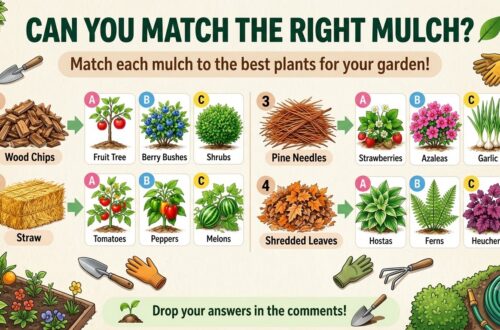
Mulching is your garden’s best friend when it comes to water retention. A 2-4 inch layer of organic mulch (like straw, wood chips, or shredded leaves) around your plants will:
- Reduce water evaporation from the soil.
- Suppress weeds that compete for water.
- Regulate soil temperature.
- Add organic matter to the soil as it breaks down.
What to Water With: Options for Every Gardener
1. Tap Water
Most gardeners use tap water, which is generally fine. If your municipal water is highly chlorinated, letting it sit in an open container for 24 hours can allow chlorine to dissipate, though most plants tolerate it well.
2. Rainwater
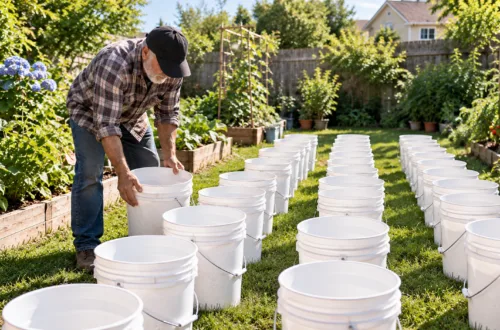
Rainwater is the absolute best for your plants – it’s naturally soft, free of chemicals, and at ambient temperature. Consider installing a rain barrel to collect this precious resource, especially if you have a larger garden or want to reduce your water bill.
Special Considerations for Your Vegetable Patch
- Consistent Moisture: Many vegetables, especially fruiting ones like tomatoes, peppers, and squash, need consistent moisture for optimal production and to prevent issues like blossom end rot.
- Specific Needs: Leafy greens generally prefer more consistent moisture than root vegetables, which can sometimes tolerate slightly drier conditions as they mature.
- Seedlings & Young Plants: These require more frequent, gentle watering as their root systems are still developing.
By implementing these watering techniques, you’ll not only conserve water but also empower your plants to grow stronger, healthier, and produce an abundant harvest you can be proud of. Happy gardening!