Blood sugar, or glucose, is the primary source of energy for your body’s cells. Maintaining balanced blood sugar levels is crucial for overall health, preventing chronic diseases, and ensuring your body functions optimally. But what constitutes a ‘normal’ blood sugar level, and does it change as you age? Let’s explore the essential ranges and why monitoring them is a vital step in your well-being journey.
The Importance of Blood Sugar Balance
Glucose is derived from the food you eat and is transported through your bloodstream to fuel cells, particularly those in your brain, muscles, and organs. Insulin, a hormone produced by the pancreas, helps regulate glucose by allowing it to enter cells for energy or storage.
When blood sugar levels are consistently too high (hyperglycemia), it can lead to conditions like diabetes, nerve damage, kidney disease, and heart issues. Conversely, blood sugar levels that are too low (hypoglycemia) can cause dizziness, confusion, weakness, and, in severe cases, loss of consciousness. Therefore, understanding and managing these levels is key to long-term health.
Normal Blood Sugar Ranges: What to Expect
Blood sugar levels are typically measured in milligrams per deciliter (mg/dL) or millimoles per liter (mmol/L). The ‘normal’ range can vary slightly depending on factors like when you last ate, your activity level, and your age. It’s important to remember that these are general guidelines, and individual variations can occur.
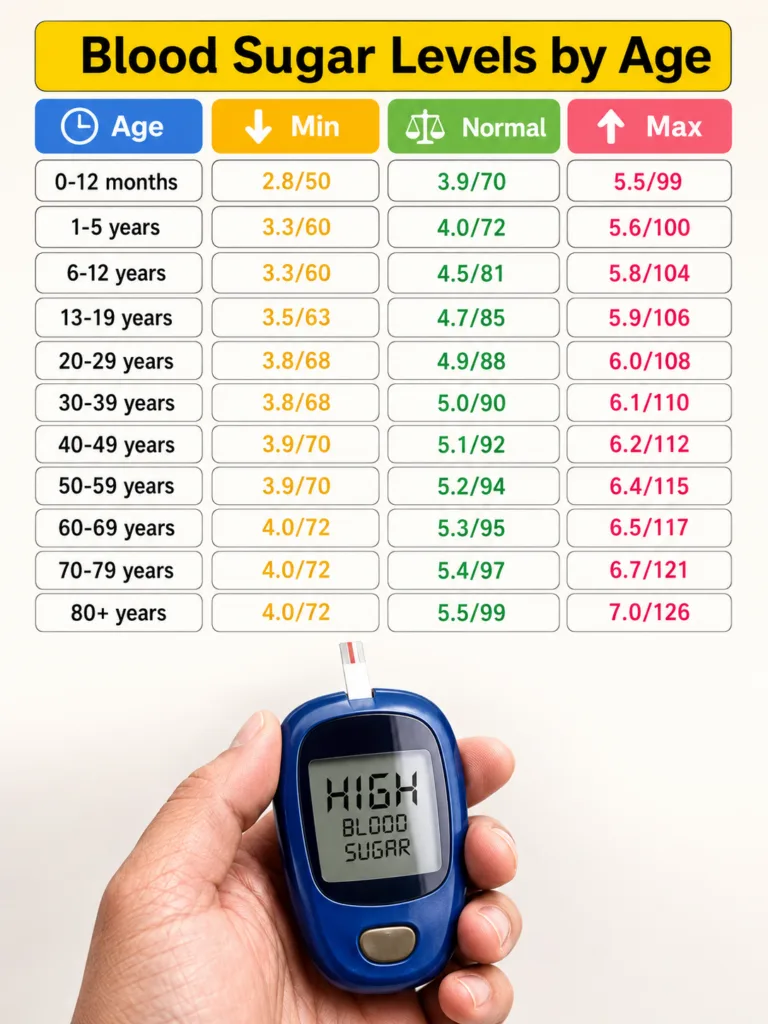 Monitoring your blood sugar can help you understand your body’s needs at any age.
Blood Sugar Levels by Age Group
While the goal is always to keep blood sugar stable, the specific targets can shift. Here’s a general overview of healthy blood sugar ranges:
Infants (0-12 months)
- Normal Fasting: Generally lower than adults, around 60-100 mg/dL (3.3-5.5 mmol/L). Newborns might have even lower ranges initially.
- Key Consideration: Infants are particularly susceptible to hypoglycemia, which can affect brain development. Close monitoring is essential if there are concerns.
Children and Adolescents (1-18 years)
- Normal Fasting: Around 70-120 mg/dL (3.9-6.7 mmol/L).
- Two Hours Post-Meal: Typically under 140 mg/dL (7.8 mmol/L).
- Key Consideration: Growth spurts, activity levels, and dietary habits can cause fluctuations. Consistent monitoring is important for children with diagnosed conditions like Type 1 diabetes.
Adults (18-65 years)
- Normal Fasting (after 8 hours without food): Less than 100 mg/dL (5.6 mmol/L).
- One to Two Hours Post-Meal: Less than 140 mg/dL (7.8 mmol/L).
- Before Bed: 100-140 mg/dL (5.6-7.8 mmol/L).
- Key Consideration: This is the age group where Type 2 diabetes often begins to develop. Regular check-ups are crucial.
Seniors (65+ years)
- Normal Fasting: Guidelines may be slightly relaxed for older adults, often aiming for 80-140 mg/dL (4.4-7.8 mmol/L) to prevent hypoglycemia, which can be more dangerous for seniors.
- Two Hours Post-Meal: Under 180 mg/dL (10.0 mmol/L) might be acceptable in some cases.
- Key Consideration: Medications, existing health conditions, and decreased physical activity can all influence blood sugar. Preventing falls and maintaining cognitive function are often priorities.
What Impacts Your Blood Sugar Levels?
Several factors can cause your blood sugar to fluctuate:
- Diet: Carbohydrates have the biggest impact.
- Physical Activity: Exercise generally lowers blood sugar.
- Medications: Some drugs can affect glucose levels.
- Stress: Both physical and emotional stress can elevate blood sugar.
- Illness or Infection: The body’s stress response can increase blood sugar.
- Dehydration: Can lead to higher blood sugar readings.
Monitoring Your Blood Sugar: A Practical Approach
For individuals with diabetes, regular monitoring using a blood glucose meter is essential. Even for those without diabetes, understanding typical ranges can be empowering. If you’re experiencing symptoms like increased thirst, frequent urination, unexplained weight loss, or blurred vision, it’s crucial to consult a healthcare professional. They can conduct tests like a fasting plasma glucose test, an oral glucose tolerance test, or an HbA1c test to assess your long-term blood sugar control.
Maintaining Healthy Blood Sugar Levels
Regardless of your age, adopting healthy lifestyle habits is the best defense against blood sugar imbalances:
- Balanced Diet: Focus on whole foods, lean proteins, healthy fats, and complex carbohydrates. Limit sugary drinks and processed foods.
- Regular Exercise: Aim for at least 150 minutes of moderate-intensity aerobic activity per week.
- Maintain a Healthy Weight: Excess weight, especially around the abdomen, can increase insulin resistance.
- Stay Hydrated: Drink plenty of water throughout the day.
- Manage Stress: Practice relaxation techniques like yoga, meditation, or spending time in nature.
- Get Enough Sleep: Poor sleep can negatively affect insulin sensitivity.
When to Seek Medical Advice
If your blood glucose meter consistently shows readings outside the normal range, or if you frequently feel symptoms of low or high blood sugar, it’s time to talk to your doctor. They can provide personalized advice, conduct further tests, and help you develop a management plan tailored to your specific needs and age.
Conclusion
Understanding your blood sugar levels and how they might change with age is a powerful tool for proactive health management. By staying informed, adopting a healthy lifestyle, and working closely with your healthcare provider, you can maintain optimal blood sugar balance and enjoy a healthier life at every stage.