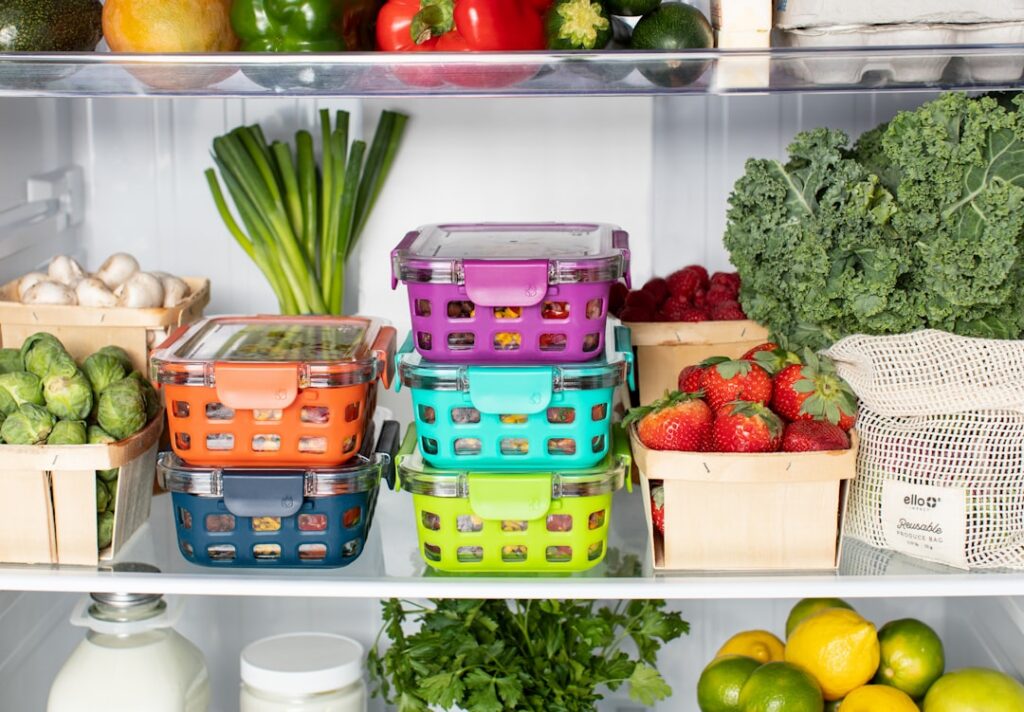
Are you looking to make your plant-based meal prep even easier and more efficient? Proper food storage is your secret weapon! Keeping your vegan ingredients and cooked meals fresh not only reduces waste but also ensures you always have delicious, healthy options ready to go. Let’s dive into simple, science-backed tips to maximize the shelf life of your favorite plant-based foods.
Why Smart Vegan Food Storage Matters
For busy individuals embracing a plant-based lifestyle, understanding food storage is crucial. It helps prevent spoilage, preserves nutrients, and saves you money by minimizing discarded food. From crunchy vegetables to hearty grains and delightful leftovers, knowing how to store them properly ensures quality and safety.
Key Principles for Freshness
- Temperature Control: Most fresh produce and cooked meals thrive in specific temperature ranges.
- Airtight Sealing: Preventing exposure to air helps slow oxidation and keeps food from drying out.
- Proper Containers: Using the right type of container can make a significant difference.
- First In, First Out (FIFO): A simple inventory system for your fridge and pantry ensures you use older items first.
Storing Your Vegan Pantry Staples
Your pantry is the backbone of your vegan kitchen. Here’s how to keep those staples in top condition:
- Grains (Rice, Quinoa, Pasta): Store in airtight containers in a cool, dark, dry place. They can last for months, even up to a year.
- Legumes (Dried Beans, Lentils): Similar to grains, keep them in airtight containers away from moisture and direct sunlight for long-term storage.
- Canned Goods: Store in a cool, dry place. Check expiration dates and use within recommended times.
- Nuts and Seeds: Due to their oil content, nuts and seeds can go rancid. Store them in airtight containers in a cool, dark place. For longer freshness, especially for larger quantities, consider refrigeration or freezing.
- Flours: Whole grain flours are best stored in the fridge or freezer to prevent rancidity, while all-purpose flours do well in airtight containers in the pantry.
Refrigeration: Keeping Fresh Produce & Cooked Meals Pristine
The refrigerator is where most of your fresh produce and cooked vegan creations will reside. Here’s a breakdown:
Fresh Fruits and Vegetables
- Leafy Greens (Spinach, Kale, Lettuce): Wash, dry thoroughly, and store in an airtight container lined with a paper towel to absorb excess moisture. They typically last 5-7 days.
- Hardy Vegetables (Carrots, Celery, Broccoli): Store in crisper drawers. Carrots and celery can benefit from being stored in water.
- Berries: Wash just before eating. Store unwashed in their original containers or a breathable container in the fridge for a few days.
- Apples, Oranges, Grapes: Store in the crisper drawer.
- Herbs: Treat like a bouquet of flowers – snip ends, place in a glass of water, cover loosely with a bag, and refrigerate.
Cooked Vegan Meals and Leftovers
Cooked food should be cooled rapidly and refrigerated within two hours of cooking. Divide large portions into smaller, shallow containers to speed up cooling. Always use airtight containers.
- Cooked Grains (Rice, Quinoa): Last 3-4 days in an airtight container. Reheat thoroughly to 165°F (74°C).
- Cooked Legumes and Soups/Stews: Typically last 3-5 days in an airtight container.
- Stir-fries, Curries, and Casseroles: Enjoy within 3-4 days for best quality and safety.
Remember to label containers with the date of preparation to keep track.
Freezing: Your Long-Term Storage Solution
Freezing is excellent for extending the life of many vegan foods, from prepared meals to bulk ingredients. This is a fantastic strategy for efficient vegan meal prep!
- Blanched Vegetables: Blanching (briefly boiling then rapidly cooling) before freezing helps preserve color, texture, and nutrients for up to 8-12 months.
- Cooked Grains and Legumes: Freeze in portion sizes for quick meal additions. They can last 2-3 months.
- Soups, Stews, and Curries: Freeze in freezer-safe containers or bags for 2-3 months. Thaw in the fridge overnight before reheating.
- Fruit for Smoothies: Freeze individual portions of berries, bananas, and other fruits.
- Vegan Baked Goods: Muffins, cookies, and bread can often be frozen and thawed for later enjoyment.
Always use freezer-safe containers or bags to prevent freezer burn and label everything with the date.
Food Safety First: When in Doubt, Throw It Out!
While these guidelines help, always trust your senses. If a food smells off, has an unusual texture, or shows signs of mold, it’s best to discard it. Food safety is paramount to healthy eating.
By implementing these simple vegan food storage tips, you’ll reduce waste, save time, and always have fresh, delicious plant-based meals at your fingertips. Happy cooking!