Ever wondered how long your delicious vegan chili truly lasts in the fridge, or if those prepped veggies are still fresh enough for tomorrow’s lunch? Knowing the proper storage times for your plant-based ingredients and meals is key to safe eating, reducing food waste, and making your vegan meal prep a breeze!
As advocates for healthy, easy vegan meals, we understand the importance of making your plant-based journey as smooth and enjoyable as possible. This guide will help you confidently store your vegan staples, from fresh produce to cooked legumes, ensuring every bite is safe and tasty.
Why Proper Storage is Crucial for Vegan Foods
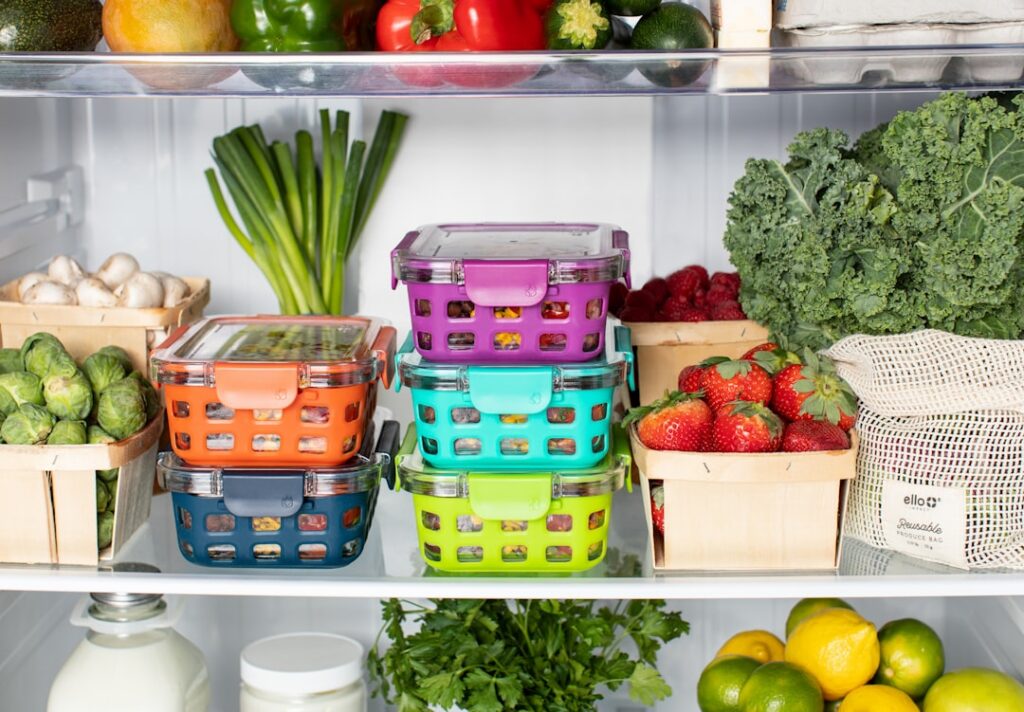
Just like any food, plant-based ingredients can spoil if not stored correctly. Proper storage prevents the growth of harmful bacteria, maintains nutritional value, and keeps your food tasting great. It also significantly boosts your meal prep efficiency by ensuring your pre-cooked components and fresh ingredients remain usable for longer, saving you time and money.
General Tips for All Plant-Based Foods
- Airtight Containers: Always use airtight containers to protect food from air exposure, which causes spoilage and freezer burn.
- Temperature Control: Your refrigerator should be at or below 40°F (4°C), and your freezer at 0°F (-18°C).
- Cool Before Storing: Allow hot foods to cool down completely (within two hours) before refrigerating or freezing to prevent raising the temperature of your fridge/freezer and affecting other foods.
- First In, First Out (FIFO): Use older items before newer ones to minimize waste.
Fridge Storage Times for Common Vegan Ingredients
Here’s a handy guide for how long various plant-based foods typically last in the refrigerator:
Fresh Produce
- Leafy Greens (Spinach, Kale, Lettuce): 3-7 days, stored in a breathable bag or container with a paper towel to absorb moisture.
- Hardy Vegetables (Carrots, Celery, Broccoli): 1-2 weeks, stored in the crisper drawer.
- Soft Fruits (Berries): 3-5 days, wash just before eating to prevent mold.
- Apples & Oranges: Up to 3-4 weeks.
Cooked Grains & Legumes
- Cooked Grains (Quinoa, Rice, Pasta): 4-6 days, in an airtight container. Make sure to cool quickly after cooking.
- Cooked Legumes (Beans, Lentils, Chickpeas): 5-7 days, in an airtight container.
Tofu & Tempeh
- Unopened Tofu/Tempeh: Check the ‘best by’ date; often lasts several weeks.
- Opened Tofu: Submerge in fresh water in an airtight container, changing water daily. Use within 3-5 days.
- Cooked Tofu/Tempeh: 4-5 days in an airtight container.
Vegan Sauces & Dressings
- Homemade Dressings (Oil & Vinegar based): Up to 1 week.
- Creamy Dressings (Nut/Tahini based): 3-5 days.
- Homemade Hummus: 5-7 days.
Prepared Vegan Meals
- Vegan Soups & Stews: 3-4 days.
- Vegan Curries & Stir-fries: 3-4 days.
- Vegan Casseroles: 3-4 days.
Freezer Storage Times for Plant-Based Foods
Freezing is an excellent way to extend the life of many vegan ingredients and prepared meals, perfect for bulk cooking and future meal prep!
- Cooked Grains & Legumes: Up to 3 months. Portion into freezer-safe bags or containers.
- Tofu & Tempeh (raw or cooked): Up to 3 months. Freezing raw tofu can change its texture, making it chewier and better for absorbing marinades.
- Blanched Vegetables (Broccoli, Cauliflower, Green Beans): 8-12 months. Blanching first helps preserve color, flavor, and nutrients.
- Vegan Soups & Stews: 2-3 months. Cool completely before freezing.
- Fruit for Smoothies: 8-12 months. Wash, chop, and spread on a baking sheet to freeze individually before transferring to a freezer bag.
Knowing When to Say Goodbye
While these guidelines are helpful, always trust your senses! If something smells off, looks discolored, or has visible mold, it’s best to discard it. When in doubt, throw it out!
By mastering these plant-based food storage techniques, you’ll not only enhance the safety and taste of your vegan meals but also streamline your meal prep, ensuring you always have nutritious, delicious food ready to enjoy. Happy cooking!