Our bodies are intricate systems, constantly communicating with us in various ways. Nurturing our internal organs from the inside out is a fundamental aspect of overall well-being. While a balanced diet and healthy lifestyle are paramount, certain natural ingredients have long been cherished for their potential to offer targeted support to specific organs.
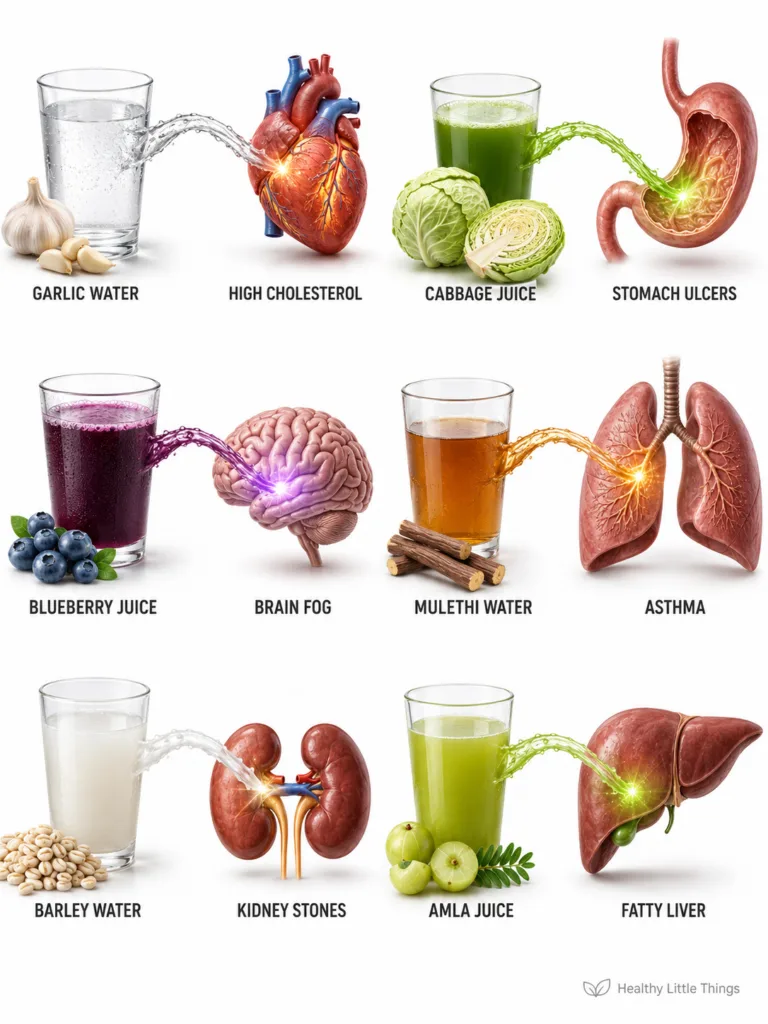
This guide explores six such natural ingredients and drinks, highlighted in our infographic, and how they may contribute to the vitality of your heart, stomach, brain, lungs, kidneys, and liver. Discover simple ways to incorporate these natural powerhouses into your routine and support your body’s amazing functions.
Keep in mind that while these ingredients offer potential benefits, they should complement, not replace, professional medical advice or treatments.
Nurturing Your Organs Naturally: The Power of 6 Ingredients
Garlic Water for Heart Health
Garlic has been revered for centuries for its medicinal properties, particularly its impact on cardiovascular health. The compounds in garlic, especially allicin, are commonly associated with supporting healthy cholesterol levels. High cholesterol can contribute to plaque buildup in arteries, affecting heart function. Incorporating garlic water into your diet may offer a natural way to support a healthy heart.
How to Prepare Garlic Water:
- Ingredients: 1-2 cloves fresh garlic, 1 cup warm water.
- Instructions: Crush or finely chop the garlic cloves. Place them in a cup and pour warm (not boiling) water over them. Let it steep for 5-10 minutes. Strain the garlic pieces, or consume with them.
- When to Consume: Many prefer to drink garlic water first thing in the morning on an empty stomach.
Cabbage for Stomach Comfort
Often overlooked, cabbage is a humble yet powerful vegetable for digestive health. It’s rich in fiber and contains compounds that may help soothe the digestive tract, making it a valuable addition for those experiencing indigestion and bloating. Cabbage juice, in particular, is often lauded for its gut-healing properties.
How to Enjoy Cabbage for Digestion:
- Cabbage Juice: Blend a few cabbage leaves with a little water until smooth. Strain the liquid and drink fresh.
- Lightly Steamed Cabbage: Gentle cooking can make cabbage easier to digest while retaining its benefits. Add it to stir-fries or as a side dish.
- Fermented Cabbage (Sauerkraut): Fermented cabbage is rich in probiotics, which can further support a healthy gut microbiome.
Blueberries for Brain Vitality
These tiny berries are mighty powerhouses for your brain. Blueberries are packed with antioxidants, particularly flavonoids, which are commonly associated with supporting cognitive function. Regular consumption of blueberries may help contribute to better memory and concentration, protecting brain cells from oxidative stress and inflammation.
Simple Ways to Add Blueberries to Your Diet:
- Breakfast Boost: Add a handful of fresh or frozen blueberries to your oatmeal, yogurt, or smoothies.
- Snack Smart: Enjoy them on their own as a refreshing and nutritious snack.
- Salad Topping: Sprinkle them over salads for a burst of flavor and antioxidants.
Mulethi (Licorice) for Lung Support
Mulethi, also known as licorice root, has been a staple in traditional medicine for its soothing properties, especially for the respiratory system. It is often used to help alleviate symptoms of asthma and coughs, as it may help to calm irritated airways and act as an expectorant. Its anti-inflammatory properties can also be beneficial for lung health.
How to Use Mulethi for Lung Health:
- Mulethi Tea: Add a small piece of mulethi stick (about 1 inch) to a cup of boiling water. Let it steep for 10-15 minutes. Strain and drink. You can also use mulethi powder.
- Chewing the Stick: Traditionally, a small piece of mulethi stick is chewed slowly to release its beneficial compounds and soothe the throat.
Barley for Kidney Wellness
Barley is an ancient grain that offers significant benefits for kidney health, particularly in helping to prevent kidney stones. Its diuretic properties can help flush toxins from the body, and its rich fiber content supports overall urinary tract health. Regular consumption of barley water can be a simple, natural way to support your kidneys.
Making Barley Water at Home:
- Ingredients: 1/4 cup pearl barley, 4 cups water, lemon wedge (optional for flavor).
- Instructions: Rinse the barley thoroughly. Combine barley and water in a saucepan. Bring to a boil, then reduce heat and simmer for 30-45 minutes, or until the barley is tender. Strain the liquid, letting it cool.
- How to Drink: Sip throughout the day. You can add a squeeze of lemon for taste.
Amla (Indian Gooseberry) for Liver Function
Amla, or Indian gooseberry, is a highly prized fruit in Ayurvedic medicine, particularly known for its potent antioxidant properties. These properties are commonly associated with supporting liver health and may help protect the liver from various forms of damage. A healthy liver is crucial for detoxification and overall metabolic function.
Ways to Incorporate Amla into Your Diet:
- Amla Juice: This is a popular way to consume amla. You can find ready-made amla juice or blend fresh amla with water.
- Fresh Amla: Eat fresh amla fruit, though its tartness can be intense.
- Amla Powder: Mix amla powder into water, smoothies, or sprinkle over salads.
Final Thoughts
Supporting your internal organs with natural ingredients like garlic, cabbage, blueberries, mulethi, barley, and amla can be a fulfilling part of a holistic wellness journey. These ingredients offer unique compounds and benefits that may contribute to the health of your heart, stomach, brain, lungs, kidneys, and liver. By understanding and incorporating these natural aids into your daily routine, you empower your body to thrive. Always remember that consistency and a balanced approach to health, including a nutritious diet and active lifestyle, are key to sustained well-being.
Medical Disclaimer
The information provided in this article is for educational purposes only and is not intended as medical advice. Always consult with a qualified healthcare professional before making any changes to your diet, health regimen, or if you have any medical concerns. This information should not be used to diagnose, treat, cure, or prevent any disease or health condition.