In our journey towards a vibrant and fulfilling life, the food we choose to put on our plates plays an incredibly significant role. It’s not just about satisfying hunger; it’s about nourishing our bodies at a cellular level, fueling our minds, and building a strong foundation for sustained health and longevity. At Wellness Daily, we believe that understanding the power of nutrient-dense foods is key to unlocking a longer, healthier existence.
While no single food is a ‘miracle cure,’ incorporating a diverse array of wholesome ingredients can profoundly impact our overall well-being. Let’s explore some of the top foods that research suggests may help support a longer, healthier life.
The Science Behind Longevity and Nutrition
Our diet directly influences various biological processes linked to aging. Chronic inflammation, oxidative stress, and cellular damage are factors that can accelerate the aging process and contribute to age-related diseases. The right nutrients can combat these factors by providing antioxidants, anti-inflammatory compounds, and essential building blocks for cellular repair and regeneration. Think of your plate as a powerful tool in your longevity toolkit!
Top Food Groups for a Longer, Healthier Life
1. Berries: Antioxidant Powerhouses
- Why they matter: Berries like blueberries, strawberries, raspberries, and blackberries are bursting with antioxidants, especially anthocyanins, which give them their rich colors. These compounds help combat oxidative stress, protecting your cells from damage.
- Benefits: Research suggests that berries may support brain health, improve heart health, and reduce inflammation throughout the body.
2. Leafy Green Vegetables: Essential Vitamins and Minerals
- Why they matter: Spinach, kale, collard greens, and Swiss chard are packed with vitamins (K, C, folate), minerals (magnesium, calcium), and fiber. They are also low in calories and high in water content.
- Benefits: Regular consumption is associated with better bone health, reduced risk of chronic diseases, and may help support cognitive function as we age.
3. Nuts and Seeds: Healthy Fats and Fiber
- Why they matter: Almonds, walnuts, chia seeds, flaxseeds, and pecans are excellent sources of healthy fats (including omega-3s), protein, fiber, and various micronutrients like vitamin E and selenium.
- Benefits: Studies link regular nut and seed intake to improved heart health, lower cholesterol levels, and better blood sugar control, all of which contribute to longevity.
4. Legumes: Plant-Based Protein and Fiber
- Why they matter: Beans, lentils, chickpeas, and peas are incredible sources of plant-based protein and dietary fiber. They are also rich in B vitamins, iron, and magnesium.
- Benefits: Legumes are commonly associated with gut health due to their high fiber content, which feeds beneficial gut bacteria. They may also help regulate blood sugar and reduce the risk of heart disease.
5. Whole Grains: Sustained Energy and Fiber
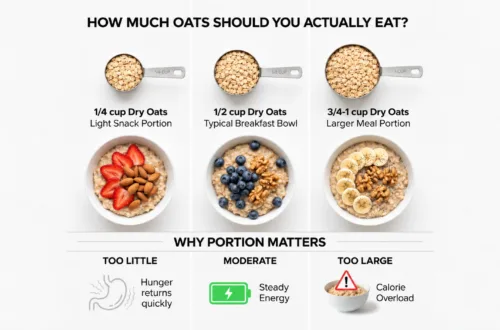
- Why they matter: Oats, quinoa, brown rice, and whole wheat provide complex carbohydrates, fiber, and important nutrients not found in refined grains.
- Benefits: The fiber in whole grains aids digestion, helps maintain healthy cholesterol levels, and provides sustained energy, contributing to overall well-being.
6. Fatty Fish: Omega-3 Fatty Acids
- Why they matter: Salmon, mackerel, sardines, and trout are rich in omega-3 fatty acids, particularly EPA and DHA, which are crucial for brain and heart health.
- Benefits: Omega-3s are known for their powerful anti-inflammatory properties and may help support cognitive function and reduce the risk of cardiovascular issues.
7. Cruciferous Vegetables: Protective Compounds
- Why they matter: Broccoli, cauliflower, Brussels sprouts, and cabbage contain unique compounds like glucosinolates, which are known for their antioxidant properties.
- Benefits: These vegetables are often associated with supporting the body’s natural detoxification processes and may contribute to cellular health.
How These Foods Support Your Health
- Gut Health: Fiber-rich foods like legumes, whole grains, and leafy greens act as prebiotics, feeding beneficial gut bacteria and fostering a healthy microbiome, which is increasingly linked to overall health and immunity.
- Brain Health: Antioxidants from berries, omega-3s from fatty fish, and healthy fats from nuts and seeds are vital for supporting cognitive function, memory, and protecting against neurodegenerative diseases.
- Heart Health: A diet rich in fiber, healthy fats, and antioxidants helps maintain healthy blood pressure and cholesterol levels, crucial for a strong cardiovascular system.
- Inflammation Reduction: Many of these foods contain powerful anti-inflammatory compounds that help soothe chronic inflammation, a root cause of many age-related illnesses.
Practical Tips for Incorporating Longevity Foods
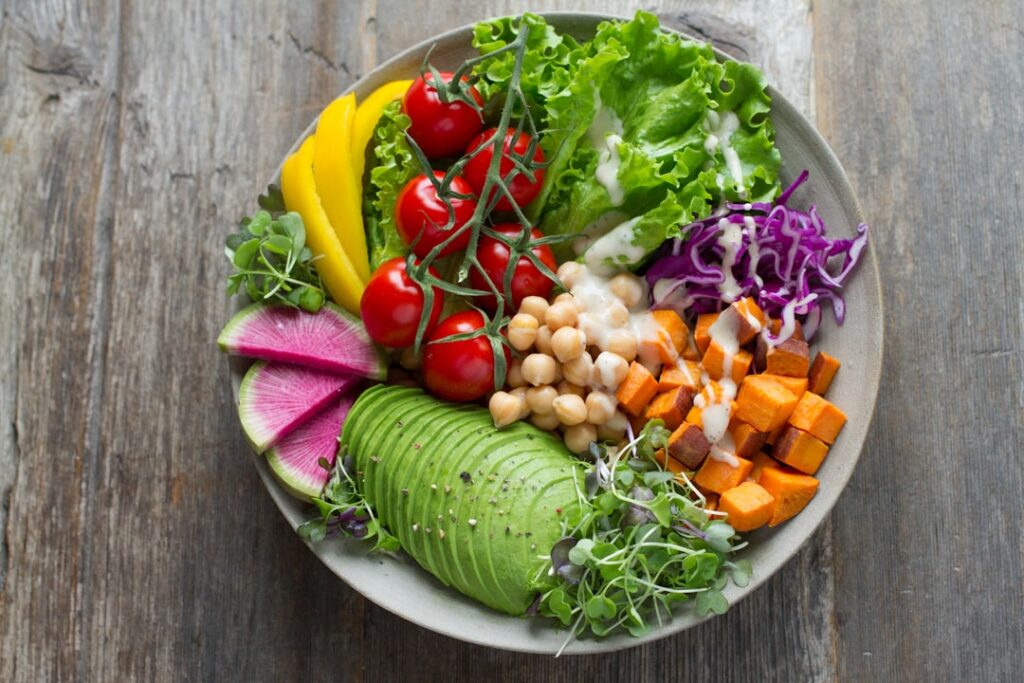
- Make Half Your Plate Fruits and Vegetables: At every meal, aim for a colorful variety to maximize nutrient intake.
- Swap Refined Grains for Whole Grains: Choose whole wheat bread, brown rice, and oats over their refined counterparts.
- Incorporate Plant-Based Proteins: Add beans, lentils, and chickpeas to soups, salads, and stews.
- Snack Smartly: Opt for a handful of nuts, a serving of berries, or vegetable sticks with hummus.
- Experiment with Herbs and Spices: Many herbs and spices, like turmeric and ginger, offer additional anti-inflammatory and antioxidant benefits.
Conclusion
Embracing a diet rich in nutrient-dense foods is a proactive step towards a longer, healthier, and more vibrant life. Each bite you take can be an investment in your future self, supporting your body’s natural ability to thrive. Remember, consistency is key, and even small changes can make a big difference over time. Start by incorporating a few of these longevity-boosting foods into your daily routine and observe the positive changes!
Disclaimer: The information provided in this article is for educational purposes only and is not intended as a substitute for professional medical advice, diagnosis, or treatment. Always seek the advice of your physician or other qualified health provider with any questions you may have regarding a medical condition.